

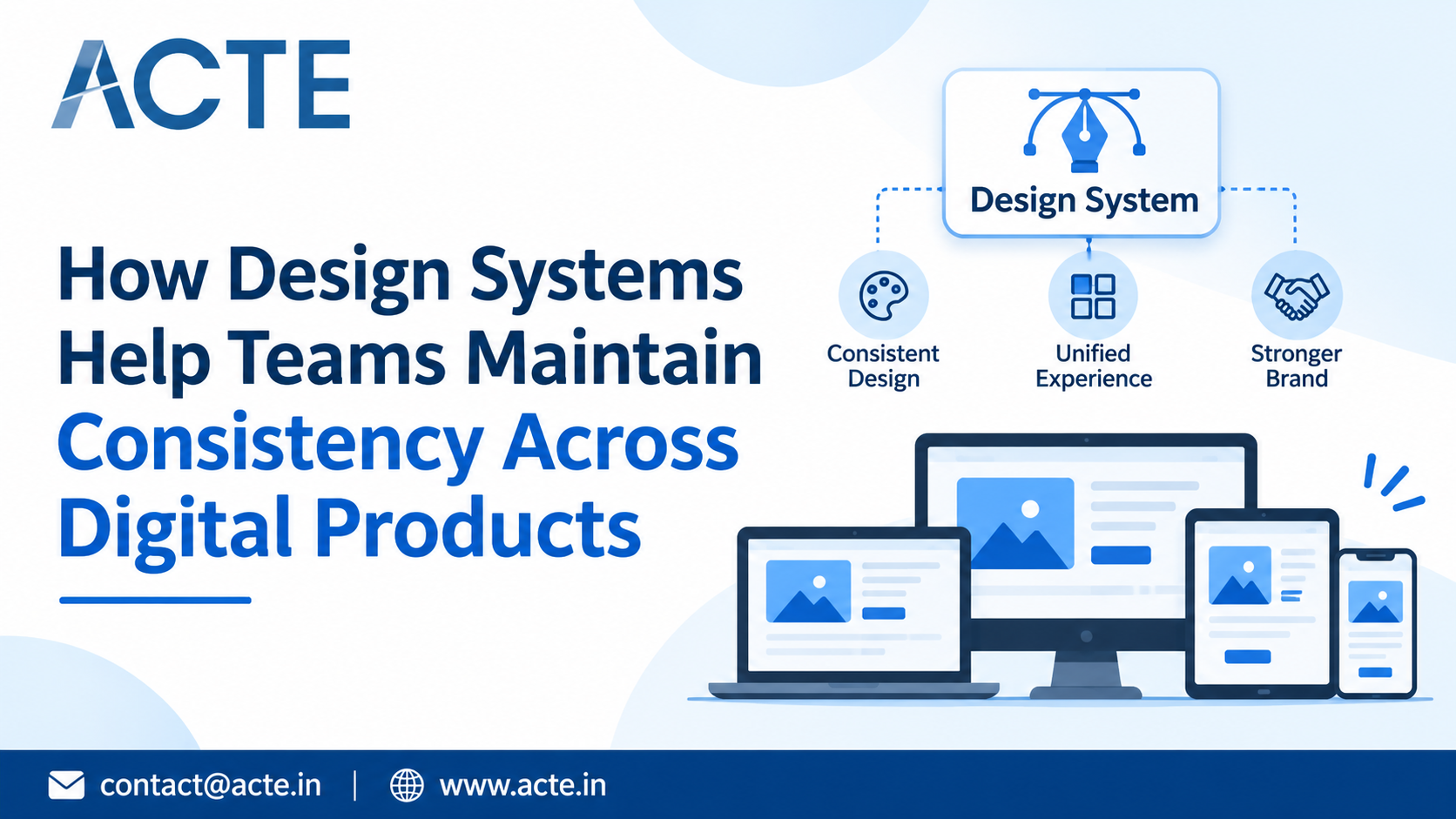

Consistency is an essential part of designing digital products that users can navigate comfortably and recognize easily. Businesses often operate multiple websites, applications, and online services, making it challenging to maintain the same design standards everywhere. Differences in visual styles, typography, layouts, and interactive elements can create disconnected experiences and reduce brand recognition. Design systems address these challenges by providing shared design principles, reusable components, and clear implementation guidelines. They help teams work together efficiently while ensuring that digital products deliver a cohesive experience. Professionals who want to strengthen their design capabilities can explore UI/UX Design Training in Chennai to understand the foundations of consistent interface design.
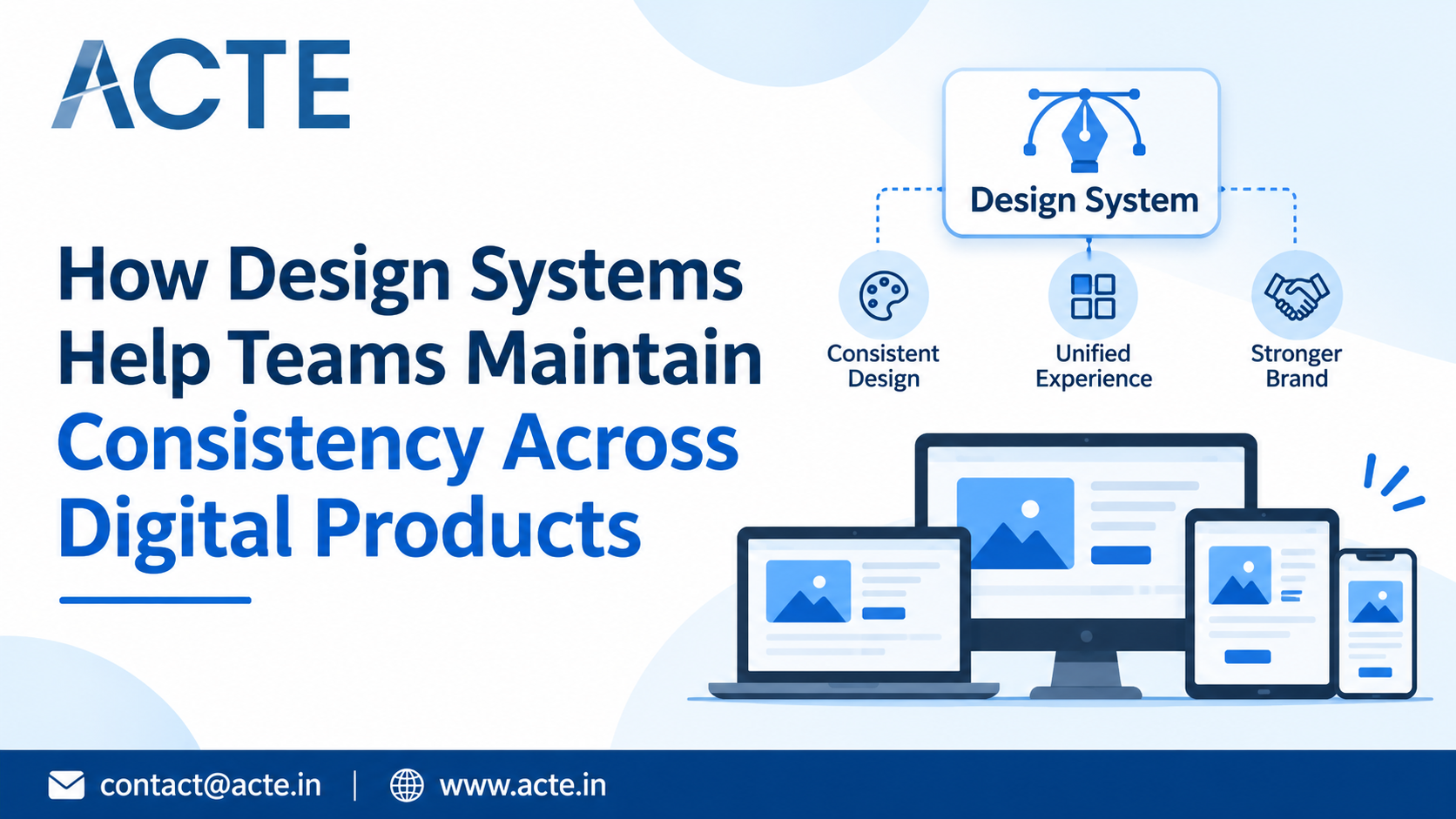
Understanding the Fundamentals of Design Systems
A design system is a structured collection of resources that guides teams in creating and maintaining digital interfaces. It includes design principles, visual standards, reusable components, and documentation that explain how different elements should be used. Common resources include color palettes, typography styles, spacing guidelines, buttons, icons, navigation menus, and form controls. These standards provide a reliable reference for designers and developers throughout the product lifecycle. Rather than developing separate solutions for similar interface requirements, teams can use established patterns that support consistency and simplify decision-making. A well-organized design system also makes it easier to introduce new features without disrupting the existing visual identity.
Maintaining Brand Identity Across Digital Products
A recognizable brand identity helps users feel familiar with a company's products across different platforms. When a website, mobile application, and customer portal follow different visual approaches, the overall experience may appear inconsistent. Design systems establish common standards for colors, typography, icons, spacing, and interface presentation. These guidelines help preserve brand recognition while allowing teams to adapt layouts to different devices and user requirements. For example, a navigation component may use a different arrangement on mobile screens while retaining familiar visual characteristics. Studying a UI/UX Design Course in Bangalore can help aspiring designers understand how consistent visual elements contribute to recognizable and user-friendly digital experiences.
Improving Communication Between Design and Development Teams
Successful digital product development depends on effective collaboration between designers, developers, product managers, and testing professionals. When teams lack shared specifications, they may interpret interface requirements differently, leading to inconsistencies and repeated corrections. Design systems provide documented references for component appearance, interaction behavior, spacing, and responsive layouts. Designers can explain their decisions more clearly, while developers can use these specifications to build interfaces that follow approved standards. Testing teams can also verify whether the completed product matches the intended design. This common framework improves communication, reduces avoidable revisions, and helps teams deliver reliable results.

Increasing Productivity Through Reusable Components
Reusable components help teams avoid creating similar interface elements repeatedly. Design systems typically include standardized buttons, cards, dropdown menus, form fields, alerts, and navigation elements that can be applied across multiple screens. These components save time, reduce duplication, and help maintain consistent appearance and functionality. Instead of rebuilding familiar elements, teams can concentrate on improving usability and developing features that address specific user needs. When component definitions are updated systematically, improvements can be reflected across supported implementations. Through UI/UX Design Training in Hyderabad, learners can develop a better understanding of how component libraries contribute to efficient design processes and scalable digital products.
Supporting Accessibility and Inclusive Design
A strong design system should help teams create interfaces that accommodate users with different abilities and interaction preferences. Accessibility guidelines may cover color contrast, readable text, keyboard navigation, focus indicators, descriptive labels, and clear error messages. Integrating these requirements into reusable components makes it easier to apply consistent accessibility practices throughout a product. Familiar interaction patterns can also help users understand how interface elements work. However, accessibility should be tested rather than assumed. Teams need to evaluate keyboard interactions, check compatibility with assistive technologies, and gather feedback from users to identify potential barriers and improve the overall experience.
Adapting Design Systems to Evolving Requirements
Digital products continue to change as businesses introduce new features, technologies, and services. Design systems must evolve to accommodate these changes while preserving established standards. Teams should regularly review component libraries, update documentation, manage versions, and communicate modifications clearly. Outdated components should be improved or replaced when they no longer meet product requirements. Assigning clear ownership helps prevent inconsistent variations from appearing across projects. Feedback from designers, developers, and users can guide these updates. A UI/UX Developer Course can also help professionals understand how design guidelines connect with front-end implementation and the practical development of digital interfaces.
Measuring the Success of a Design System
Evaluating a design system helps organizations determine whether it improves workflow efficiency and product quality. Teams can examine development time, component reuse, the frequency of interface inconsistencies, and the effort required to maintain existing products. User research and usability testing can reveal whether consistent patterns make navigation more intuitive and interactions easier to understand. These findings help teams identify missing components, improve documentation, and address accessibility issues. The objective is not to make every product identical but to establish common standards that allow appropriate flexibility. An effective design system supports different product requirements while maintaining a recognizable visual language and dependable user experience.
Conclusion:
Design systems help teams maintain consistency across digital products through shared visual standards, reusable components, and clear documentation. They improve collaboration, reduce repetitive tasks, and support accessible and user-friendly interfaces. Regular maintenance and performance evaluation ensure that design guidelines remain relevant as technologies and business requirements change. By balancing consistency with flexibility, organizations can preserve their brand identity while responding to different user needs. A thoughtfully managed design system ultimately helps teams build digital products that are cohesive, efficient to maintain, and reliable for users.

