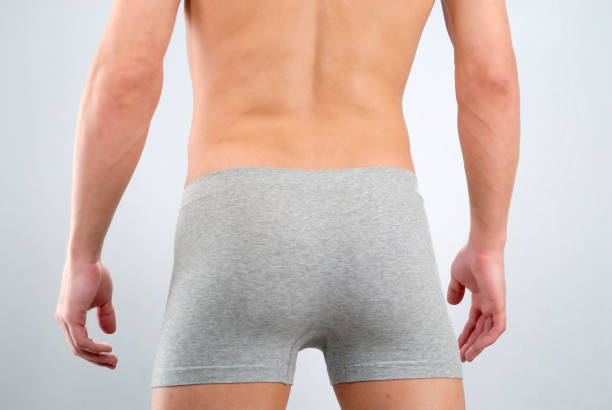
When men decide to lose butt fat, the instinct is often to identify "bad" foods and eliminate them entirely. But rigid restriction tends to backfire—triggering cravings, binge cycles, and eventual abandonment. How can men lose butt fat? A more effective approach is limiting certain foods rather than banning them, understanding why they undermine progress, and building a diet where they're occasional guests rather than daily staples. This guide identifies the foods men should limit when trying to lose butt fat, explains the reasoning behind each, and offers practical swaps that support your deficit without making life miserable.
Why Some Foods Deserve Limits
Fat loss requires a calorie deficit, and certain foods make maintaining that deficit unnecessarily difficult. They're typically calorie-dense, minimally satiating, and easy to overconsume—delivering lots of energy without making you feel full. This doesn't make them morally bad or forbidden; it makes them inefficient for your goals. Limiting them protects your deficit without requiring the willpower of complete elimination. The goal is awareness and moderation, not deprivation and guilt.
Sugary Drinks: The Biggest Offender
Liquid calories are the most invisible source of surplus. Sodas, fruit juices, sweetened teas, energy drinks, and flavored coffees deliver hundreds of calories without any satiety—you can consume 500 calories in a drink and feel exactly as hungry afterward. Swapping these for water, unsweetened tea, or black coffee is one of the highest-impact changes available. Men who cut liquid sugar often reduce intake significantly without any sense of deprivation, because these drinks never contributed to fullness in the first place.
Refined Carbohydrates and Sugary Snacks
White bread, pastries, cookies, cakes, and sugary cereals digest quickly, spike blood sugar, and trigger hunger cycles that make staying in a deficit harder. They're also easy to overconsume—few people stop at one cookie. This doesn't mean never eating them; it means treating them as occasional indulgences rather than daily defaults. Swap refined grains for whole-grain versions, sugary snacks for fruit or protein-rich options, and notice how much more stable your energy and appetite become.
Ultra-Processed Snacks and Fast Food
Chips, crackers, candy, and fast food are engineered for palatability and convenience—the exact combination that undermines fat loss. They're calorie-dense, low in protein and fiber, and easy to eat in large quantities without registering fullness. Research suggests ultra-processed foods are less satiating per calorie, meaning you can eat more and still feel hungry. Limit them by keeping them out of your home, planning alternatives, and treating fast food as an occasional convenience rather than a routine.
Alcohol: Calories Without Nutrition
Alcohol deserves its own category. It delivers seven calories per gram—nearly as much as fat—without providing satiety or nutrition. It also disrupts sleep, impairs recovery, increases appetite, and reduces inhibitions around food, often leading to late-night snacking. Men who drink regularly often find their deficit mysteriously stalled. Limiting alcohol to occasional social situations—and choosing lower-calorie options when you do drink—protects both your deficit and your sleep quality.
Processed Meats and High-Fat Sauces
Processed meats like bacon, sausage, and deli meats are calorie-dense and high in sodium, often with added sugars and preservatives. They're not forbidden, but lean protein sources serve your goals better. Similarly, sauces and dressings—mayonnaise, creamy dressings, sugary marinades—can add hundreds of calories to an otherwise healthy meal. Measure these rather than free-pouring, or swap for lighter alternatives like mustard, vinegar, or yogurt-based dressings.
The Hidden Sugar Problem
Sugar hides in unexpected places: sauces, breads, flavored yogurt, granola, protein bars, and "healthy" snacks. Men often consume far more added sugar than they realize because it's spread across products they consider benign. Reading labels—specifically the added sugar line—reveals these sources. Swapping a few high-sugar staples for lower-sugar alternatives can reduce intake significantly without dramatic dietary changes. Awareness, not elimination, is the goal.
What to Eat Instead
Limiting certain foods works best when paired with abundant alternatives. Prioritize lean protein, vegetables, whole grains, fruit, legumes, nuts, and healthy fats. Build meals around these foundations, and the foods you're limiting naturally occupy less space. Men who focus on adding nutritious foods often find they don't need to consciously restrict—fullness from quality food crowds out the rest. Abundance beats deprivation.
When to Seek Professional Guidance
If you're unsure which foods are undermining your progress, or if you want personalized guidance on building a sustainable eating plan, professional support can help. A nutrition assessment can identify hidden sources of excess calories and provide practical swaps. For men who want expert direction in building sustainable habits, a consultation with qualified professionals offers accountability and tailored strategies.
Final Thoughts: Limit, Don't Eliminate
The foods above don't cause butt fat overnight—but consistent overconsumption of them quietly erodes the deficit fat loss requires. Limit sugary drinks, refined carbohydrates, ultra-processed snacks, alcohol, and high-calorie sauces. Swap wisely, read labels, keep tempting foods out of reach, and focus on adding nutritious alternatives. You don't need to eliminate anything entirely; you need to prevent these foods from becoming the foundation of your intake.
Book an Appointment Consultation Clinic
For those seeking expert guidance and customized aesthetic care, you can book an appointment consultation at the Enfield Royal Riyadh.
FAQs
What foods should men limit to lose butt fat?
Sugary drinks, refined carbs, ultra-processed snacks, alcohol, processed meats, and high-calorie sauces.
Do I need to eliminate these foods completely?
No—limiting them while prioritizing whole foods is more sustainable than elimination and reduces binge risk.
Why are sugary drinks so problematic for fat loss?
They deliver hundreds of calories without satiety, making overconsumption easy and undermining the deficit.
Is alcohol bad for losing butt fat?
It adds calories, disrupts sleep, and increases appetite—limiting it to occasional situations supports progress.
What should I eat instead of these foods?
Lean protein, vegetables, whole grains, fruit, legumes, nuts, and healthy fats—abundance crowds out the rest.