

Regular exposure to sunlight can gradually affect the appearance of the skin, contributing to dark spots, uneven pigmentation, and visible signs of photoaging. Sun spots commonly develop on areas that receive frequent ultraviolet exposure, such as the face, hands, shoulders, and chest. Although these marks are often harmless, they can make the complexion appear uneven. Q-switched laser technology offers a targeted approach for treating certain benign pigmented spots by delivering short pulses of concentrated light energy. For individuals considering q switch laser, understanding how the procedure works, its potential benefits, and its limitations can help them make informed skincare decisions.
Understanding Sun Spots and Sun-Damaged Skin
Sun spots, also known as solar lentigines, are flat areas of increased pigmentation that develop after repeated ultraviolet exposure. They may appear as light brown, dark brown, or tan marks and commonly become more noticeable with age.
Sun damage can involve more than pigmentation. Long-term ultraviolet exposure may also contribute to fine lines, rough texture, loss of elasticity, and other changes in the skin.
Common Signs of Sun Damage
Some visible changes associated with sun exposure include:
-
Dark spots: Flat brown marks that develop on frequently exposed areas.
-
Uneven skin tone: Different areas of the complexion may develop varying levels of pigmentation.
-
Freckles: Small pigmented marks that may become darker after sunlight exposure.
-
Rough texture: Repeated ultraviolet exposure can contribute to changes in the skin's surface.
-
Fine lines: Sun exposure can contribute to the breakdown of collagen and visible signs of aging.
It is important to distinguish benign sun spots from other skin lesions. Any spot that changes in size, shape, or color, bleeds, or develops an irregular appearance should be medically examined before cosmetic treatment.
How Q-Switched Laser Treatment Targets Sun Spots
Q-switched lasers deliver concentrated light energy in extremely short pulses. Certain wavelengths are absorbed by melanin, the pigment responsible for the brown appearance of sun spots.
The laser energy can create a photoacoustic effect that fragments targeted pigment into smaller particles. The body gradually processes these particles, which may lead to a reduction in the visibility of selected spots.
Selective Pigment Targeting
The practitioner selects a wavelength and energy setting based on the pigmentation, skin tone, and treatment area. The aim is to target unwanted pigment while limiting unnecessary effects on surrounding tissue.
However, the laser does not remove all signs of sun damage. It primarily addresses selected pigment-related concerns rather than reversing every change caused by ultraviolet exposure.
Potential Benefits for Sun-Damaged Skin
When used for an appropriate pigmentation concern, Q-switched laser treatment may help improve the appearance of sun-damaged areas.
Reducing the Appearance of Brown Spots
Certain benign solar lentigines may become lighter after treatment as fragmented pigment is gradually cleared. This can reduce the contrast between dark spots and the surrounding skin.
Supporting a More Even Complexion
Multiple sun spots can make the skin tone appear inconsistent. Reducing selected pigmented areas may help create a more uniform-looking complexion, particularly on the face and hands.
A Non-Surgical Treatment Option
Q-switched laser treatment does not require surgical incisions and is generally performed in a clinical setting. Patients may experience temporary redness, swelling, or sensitivity, but recovery is usually different from that associated with surgical procedures.
For individuals exploring Q-switched Laser Treatment in Riyadh, a professional assessment can help establish whether their sun spots are suitable targets for this technology.
Which Areas Can Be Treated?
Sun spots may develop on different parts of the body that receive regular sunlight. Depending on the pigmentation and skin characteristics, a practitioner may consider treatment for areas such as:
-
Face, including the cheeks and forehead.
-
Hands and backs of the fingers.
-
Shoulders and upper chest.
-
Other exposed areas with confirmed benign pigmentation.
The suitability of treatment varies by location because skin thickness, sensitivity, and exposure patterns differ across the body.
What to Expect During a Treatment Session
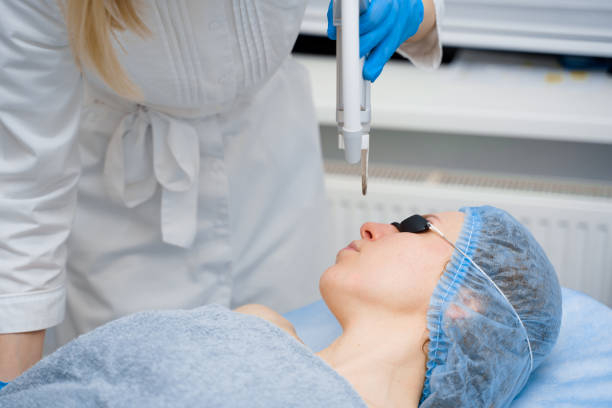
The process generally begins with a consultation and skin examination. The practitioner reviews medical history, medications, previous cosmetic procedures, recent tanning, and any history of unusual pigmentation changes.
Before the procedure, the treatment area is cleansed, and protective eyewear is provided. The practitioner then directs controlled laser pulses toward the selected spots. Patients may experience brief snapping or stinging sensations during treatment.
Afterward, the skin may look slightly red or feel warm. Some treated spots can temporarily become darker before gradually changing as the body processes the fragmented pigment. The duration of the session depends on the size of the treatment area and the number of spots being addressed.
How Many Sessions May Be Needed?
The number of sessions depends on the number, depth, and appearance of the pigmented spots, as well as the individual's skin response. Some superficial sun spots may improve after one session, while other concerns may require additional appointments.
The practitioner should assess the response before recommending further treatment. Repeated sessions should not be scheduled too closely together because the skin needs time to recover.
Possible Risks and Treatment Limitations
Although Q-switched laser technology can be effective for selected pigmented lesions, it is not suitable for every type of sun damage. Possible side effects include:
-
Temporary redness, swelling, or discomfort.
-
Darkening or crusting of treated spots during recovery.
-
Temporary or persistent changes in skin pigmentation.
-
Blistering or irritation in some cases.
-
Uncommon risks such as scarring.
People with darker skin tones may have a greater risk of unwanted pigment changes if unsuitable settings are used. Laser treatment may also be inappropriate for certain skin conditions or suspicious lesions. A professional assessment is essential before proceeding.
Aftercare for Protecting Sun-Damaged Skin
Following aftercare instructions supports recovery and helps reduce the risk of additional pigmentation. Recommended measures may include:
-
Apply broad-spectrum sunscreen with SPF 30 or higher every day.
-
Reapply sunscreen as directed, especially during outdoor activities.
-
Wear protective clothing and limit direct sun exposure.
-
Cleanse gently and avoid scrubbing the treated areas.
-
Use a suitable moisturizer to support the skin barrier.
-
Avoid strong exfoliants until the skin has recovered.
-
Do not pick or scratch any crusting or darkened spots.
Sun protection remains important after treatment because laser procedures do not prevent future sun spots from developing.
Can Q-Switched Laser Treatment Reverse All Sun Damage?
Q-switched laser treatment primarily targets selected pigment deposits. It does not fully reverse sun-related changes such as deep wrinkles, significant skin laxity, or all forms of rough texture. People with multiple signs of photoaging may benefit from a broader skincare plan that includes sun protection and other professionally recommended treatments.
Discuss Sun Spot Treatment at Royal Clinic Saudia
Managing sun spots begins with identifying the type of pigmentation and determining whether it is suitable for laser treatment. Q-switched Laser Treatment in Riyadh may help reduce the appearance of selected benign sun spots and support a more even-looking complexion when performed with appropriate settings. For personalized guidance, consult the skincare professionals at Royal Clinic Saudia to assess your skin, understand the available treatment options, and develop a plan based on your individual concerns.

