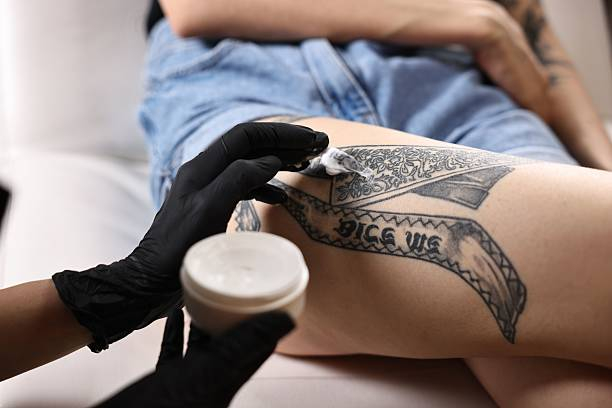
Laser tattoo removal is generally well tolerated, and most people complete treatment without significant allergic issues. But allergic reactions can occur—sometimes to the ink itself, sometimes to products used during or after treatment. Laser tattoo removal in Riyadh These reactions range from mild skin irritation to rare systemic responses that require urgent care. Understanding what can trigger them, what signs to watch for, and when to seek help helps you approach treatment prepared rather than alarmed. This guide explains the allergic risks associated with laser tattoo removal and how to manage them.
Why Laser Treatment Can Trigger Reactions
Laser treatment breaks tattoo ink into smaller particles—and this fragmentation can expose components of the ink that the immune system hadn't previously encountered in that form. For some people, this triggers an allergic response to pigments that had been tolerated for years. Reactions may also occur to numbing creams, aftercare products, dressings, or latex gloves used during treatment. Understanding these distinct sources helps you identify what's happening and communicate clearly with your provider.
Ink Allergies: The Unique Challenge
Ink allergies can exist before treatment or emerge after laser sessions. Red inks are the most common culprit, though other colors—including yellow and some blues—can also trigger reactions. Interestingly, some people tolerate a tattoo for years without issue, then develop a reaction after laser treatment fragments the ink. This is because fragmentation increases the surface area of pigment particles, potentially provoking an immune response. If you have a history of ink reactions, discuss it before treatment.
Common Signs of Allergic Reaction
Mild allergic reactions may include itching, redness, hives, or a rash localized to the treated area. These symptoms can appear hours to days after treatment. More significant reactions include spreading rash, swelling beyond the treatment site, and generalized itching. These warrant prompt contact with your provider. Most localized reactions are manageable with appropriate care, but they should be evaluated rather than ignored.
Severe Reactions: When to Seek Emergency Care
Severe allergic reactions—anaphylaxis—are rare but require immediate emergency care. Warning signs include difficulty breathing, throat tightness, facial or throat swelling, dizziness, rapid heartbeat, and widespread hives. If any of these occur, call emergency services immediately—do not wait for a callback or drive yourself to the clinic. Anaphylaxis is a medical emergency, and rapid treatment saves lives. Knowing these signs in advance prepares you to act quickly if needed.
Other Triggers: Numbing Creams and Aftercare Products
Allergic reactions aren't limited to ink. Topical numbing creams can cause contact dermatitis—redness, itching, and rash where applied. Aftercare ointments, moisturizers, dressings, and adhesives can also trigger reactions. If you notice irritation developing after applying a product, stop using it and contact your provider. Patch testing new products before widespread application can help identify sensitivities in advance. Report all known allergies—including to latex and adhesives—before treatment.
Delayed Reactions
Some allergic reactions are delayed, appearing days or even weeks after treatment. These may include persistent itching, rash, or inflammation that doesn't resolve as expected. Delayed reactions can be confusing because they don't seem connected to the session—but timing matters. If symptoms appear within weeks of treatment and don't fit the normal healing pattern, report them to your provider. Documentation of when symptoms started helps with assessment.
Managing Mild Reactions
For mild localized reactions, your provider may recommend antihistamines, topical treatments, or adjustments to your aftercare routine. Don't self-treat with unapproved products—some can worsen irritation. Follow your provider's guidance and monitor for improvement. If symptoms worsen or don't resolve within a few days, follow up. Mild reactions are usually manageable, but they deserve attention rather than neglect.
Preventing Allergic Reactions
Prevention starts with disclosure: tell your provider about all known allergies—to inks, numbing agents, latex, adhesives, and skincare products. A test spot before full treatment can help assess your response to laser treatment and identify sensitivities. If you have a history of sensitive skin or reactions to cosmetics, mention it. These conversations allow your provider to adjust products and techniques to reduce risk. Prevention is easier than management.
When to Seek Professional Guidance
If you've experienced an allergic reaction after treatment, or if you have concerns about allergy risk before starting, professional evaluation can help. A consultation can assess your history, recommend test spots, and advise on safe products. For personalized guidance on laser tattoo removal, a consultation with qualified professionals offers clarity and safe direction.
Final Thoughts: Aware, Not Alarmed
Allergic reactions to laser tattoo removal are uncommon but possible—triggered by ink fragmentation, numbing creams, or aftercare products. Most are mild and manageable; severe reactions are rare but require emergency care. Know the signs, disclose your allergies, consider a test spot, and contact your provider promptly if something seems off. Awareness prepares you to act—and to proceed with confidence rather than fear.
Book an Appointment Consultation Clinic
For those seeking expert guidance and customized aesthetic care, you can book an appointment consultation at the Enfield Royal Riyadh.
FAQs
Can laser tattoo removal cause an allergic reaction?
Yes—ink fragmentation can trigger reactions, especially to red inks, and numbing or aftercare products can also cause allergies.
What are common signs of an allergic reaction?
Itching, redness, hives, or rash near the treated area—spreading or severe symptoms warrant prompt care.
When is an allergic reaction an emergency?
Difficulty breathing, throat tightness, facial swelling, or dizziness require immediate emergency services.
Can a tattoo you've had for years suddenly react during removal?
Yes—laser fragmentation can expose ink components, triggering reactions even in previously tolerated tattoos.
How can I reduce allergy risk before treatment?
Disclose all allergies, consider a test spot, and ask your provider to adjust numbing and aftercare products accordingly.