

The brain controls everything from movement and memory to sleep and emotions. When someone experiences unexplained seizures, repeated episodes of confusion, or unusual changes in awareness, doctors may recommend an electroencephalogram (EEG). If you are researching an eeg test in bangalore, understanding the procedure can help you feel more comfortable before your appointment. An EEG records the brain's electrical activity and provides valuable information that can support neurological assessments. Exploring EEG scan services in Bangalore can also help you understand the available diagnostic options and what to consider when choosing an imaging centre.
What Is an EEG Test and How Does It Work?
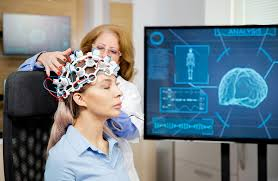
An electroencephalogram is a non-invasive diagnostic procedure that records electrical activity produced by brain cells. It uses small metal electrodes placed on the scalp to detect and capture brainwave patterns.
These electrodes are connected to an EEG recording system, which displays the electrical signals as waveforms. A neurologist or qualified specialist examines these patterns to identify unusual activity that may be associated with certain neurological conditions.
Unlike CT scans and MRI examinations, an EEG does not produce pictures of the brain's physical structure. Instead, it provides information about how the brain functions electrically.
The procedure is generally painless and does not involve electric shocks. The electrodes only record signals generated naturally by the brain.
Why Might a Doctor Recommend an EEG Test in Bangalore?
An EEG may be recommended when symptoms suggest changes in the brain's electrical activity. The examination can support diagnosis, treatment planning, and monitoring in selected neurological conditions.
1. Investigation of Seizures and Epilepsy
EEG is commonly used when doctors investigate suspected epilepsy. It can help identify electrical patterns associated with certain seizure disorders and support the classification of seizure types.
However, a normal EEG does not completely rule out epilepsy because abnormal activity may not occur during the recording.
2. Unexplained Episodes of Confusion or Awareness
Repeated episodes of staring, temporary unresponsiveness, memory disturbances, or unusual behaviour may require neurological assessment. An EEG can help doctors investigate whether abnormal electrical activity contributes to these episodes.
3. Sleep-Related Problems
Certain EEG recordings are used during sleep studies to examine brainwave patterns. Doctors may recommend specialised monitoring when investigating unusual movements during sleep or suspected sleep-related seizure activity.
4. Monitoring Brain Activity
In selected hospital settings, EEG monitoring may help healthcare professionals assess brain function in patients with serious neurological conditions or altered consciousness.
When considering an eeg test in bangalore, discuss your symptoms and medical history with a neurologist to determine whether this investigation is appropriate.
Different Types of EEG Examinations
Not every EEG examination follows the same recording method. The type recommended depends on the symptoms, suspected condition, and information required by the treating doctor.
Some commonly used types include:
-
Routine EEG: A standard recording that usually lasts around 20–40 minutes.
-
Sleep EEG: Records brain activity during sleep or drowsiness.
-
Sleep-deprived EEG: Performed after reduced sleep, when clinically advised, to increase the possibility of detecting certain abnormalities.
-
Ambulatory EEG: Uses a portable recording device to monitor brain activity over an extended period, sometimes at home.
-
Video EEG monitoring: Combines continuous brainwave recording with video to help specialists correlate physical events with electrical activity.
Your doctor will decide which approach is most suitable. Longer recordings may be necessary when symptoms occur infrequently.
How to Prepare for Your EEG Appointment
Most routine EEG examinations require minimal preparation. However, following the diagnostic centre's instructions is important for obtaining a useful recording.
Consider these practical steps before your appointment:
-
Wash your hair: Keep your scalp clean and dry. Avoid hair oils, gels, sprays, and styling products.
-
Eat normally: Unless specifically instructed otherwise, have your regular meals before the examination.
-
Discuss medications: Inform the healthcare team about all prescribed medicines. Never stop medication without medical advice.
-
Follow sleep instructions: If a sleep-deprived recording is planned, follow the instructions provided by your doctor.
-
Carry previous reports: Bring earlier EEG recordings, prescriptions, and relevant medical documents if available.
If the examination involves a child, explain the process calmly so they understand that the procedure is painless.
What Happens During an EEG Test in Bangalore?
During the appointment, the technician will usually ask you to sit or lie comfortably. Small electrodes are attached to your scalp using a special conductive paste or gel.
Once the recording begins, you may be asked to:
-
Close and open your eyes.
-
Breathe deeply for a short period, if appropriate.
-
Look at a flashing light during a procedure called photic stimulation.
-
Relax or fall asleep, depending on the examination.
These activities help specialists observe brainwave responses under different conditions. Not every patient will undergo all these steps.
The recording itself is painless. You can generally return to your usual activities afterwards, although special instructions may apply if sedation has been used for a particular procedure.
How to Choose a Reliable EEG Diagnostic Centre
Selecting a suitable facility is an important part of the diagnostic process. Bangalore has several healthcare facilities offering neurological investigations, so consider a few practical factors before booking.
-
Qualified technical staff: Check whether trained professionals perform the recording.
-
Appropriate equipment: Ensure the facility has suitable EEG recording technology.
-
Specialist interpretation: Ask whether a qualified neurologist or appropriately trained specialist reviews the recording.
-
Reporting timelines: Confirm when the report will be available.
-
Accessibility: Consider travel time, appointment availability, and convenience.
-
Clear instructions: Choose a centre that explains preparation and examination procedures properly.
When comparing options for an eeg test in bangalore, prioritise professional expertise and reliable reporting rather than choosing solely based on price or distance.
Understanding Your EEG Report
An EEG report describes the recorded brainwave patterns and highlights any unusual electrical activity observed during the examination.
The findings may be described as normal or abnormal, but interpretation requires clinical context. Factors such as age, symptoms, medications, sleep patterns, and medical history can influence the assessment.
Importantly, an abnormal EEG does not automatically confirm epilepsy, and a normal result does not exclude every neurological condition. Your neurologist will explain the findings and recommend further investigations or treatment when necessary.
Conclusion
An EEG is a valuable investigation for understanding the brain's electrical activity and evaluating certain neurological symptoms. Knowing how the procedure works, how to prepare, and what the report means can make the experience less stressful. If you are considering an eeg test in bangalore, consult a qualified neurologist first and choose a diagnostic facility that offers trained professionals, appropriate equipment, and clear reporting. The right diagnostic approach can help support informed medical decisions and appropriate follow-up care.
Frequently Asked Questions
1. Is an EEG examination painful?
No. The procedure is generally painless. Electrodes attached to the scalp record natural electrical signals without sending electricity into the brain.
2. How long does a routine EEG take?
A standard recording usually takes around 20–40 minutes. Additional time may be needed for preparation and electrode placement.
3. Can I eat before the examination?
Yes, most routine examinations do not require fasting. Follow any specific instructions provided by your healthcare professional.
4. Can an EEG detect epilepsy?
It can identify electrical patterns associated with certain types of epilepsy and support diagnosis. However, results must be interpreted alongside symptoms and medical history.
5. When will I receive my EEG report?
Reporting times vary depending on the facility and examination type. Contact the diagnostic centre to confirm when your results will be available.

