

Medical investigations can sometimes feel confusing, especially when your doctor recommends an imaging test for the first time. An Ultrasound Scan in Bangalore can help healthcare professionals examine internal organs, monitor pregnancy, and investigate various health concerns. Since diagnostic centres offer different types of ultrasound examinations, knowing which service you need can make booking easier. From checking appointment availability to understanding preparation instructions, a little planning can improve your overall experience. If you are exploring ultrasound scanning services in Bangalore, understanding the procedure and available options is a useful starting point.
How Does an Ultrasound Scan Work?
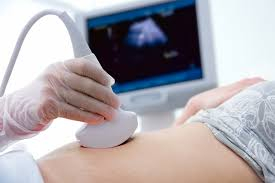
Ultrasound imaging uses high-frequency sound waves to produce images of structures inside the body. A handheld device called a transducer sends sound waves into the body and receives the returning echoes. A computer processes these signals to create images that healthcare professionals can examine.
A water-based gel is generally applied to the skin to help the transducer move smoothly and transmit sound waves effectively.
Unlike conventional X-rays and CT scans, ultrasound does not use ionising radiation. The procedure is generally painless and does not require recovery time. However, some examinations may involve mild pressure or temporary discomfort, depending on the area being examined.
Common Types of Ultrasound Examinations
Different ultrasound techniques serve different diagnostic purposes. Your doctor will recommend a particular examination based on your symptoms, medical history, and clinical requirements.
1. Abdominal Ultrasound
This examination helps assess organs such as the liver, kidneys, gallbladder, pancreas, and spleen. Doctors may recommend it when investigating abdominal pain, suspected gallstones, or certain organ abnormalities.
2. Pelvic Ultrasound
Pelvic imaging examines structures such as the uterus, ovaries, and urinary bladder. It may help investigate menstrual irregularities, pelvic discomfort, and certain reproductive health concerns.
3. Pregnancy Ultrasound
Obstetric ultrasound is commonly used to monitor pregnancy development. Depending on the stage of pregnancy, it can help assess fetal growth, heartbeat, position, and other important findings.
4. Doppler Ultrasound
Doppler imaging evaluates blood flow through blood vessels. It can help doctors investigate circulation-related concerns, including certain conditions affecting veins and arteries.
5. Thyroid and Breast Ultrasound
These examinations help evaluate lumps, nodules, cysts, and other structural changes. They may be recommended when a physical examination or another investigation identifies an area requiring closer assessment.
When Should You Consider an Ultrasound Scan in Bangalore?
Doctors recommend ultrasound examinations for several reasons. Some patients require imaging to investigate unexplained symptoms, while others need follow-up examinations to monitor an existing condition.
Common situations include:
-
Persistent abdominal or pelvic discomfort.
-
Suspected gallstones or kidney stones.
-
Evaluation of certain liver or kidney abnormalities.
-
Monitoring pregnancy progression.
-
Investigating swelling or unusual lumps.
-
Assessing blood circulation in specific body regions.
An ultrasound is not suitable for every medical concern. Depending on the suspected condition, your doctor may recommend an MRI, CT scan, X-ray, or laboratory investigation instead.
Choosing the Right Diagnostic Centre
Finding a suitable facility involves more than selecting the nearest location. When comparing centres for an Ultrasound Scan in Bangalore, consider the following factors:
-
Qualified professionals: Check whether trained sonographers and qualified radiologists are involved in the examination and reporting process.
-
Appropriate equipment: The facility should have equipment suitable for the specific type of scan prescribed.
-
Clear reporting: Ask about report preparation, delivery timelines, and access to digital images.
-
Convenient location: Consider travel time, parking facilities, and accessibility, particularly if you have mobility concerns.
-
Transparent pricing: Confirm the examination charges and whether additional services involve extra costs.
-
Appointment flexibility: Check whether advance booking is necessary and whether suitable time slots are available.
A reliable diagnostic facility should communicate clearly, explain preparation requirements, and maintain appropriate patient-care and imaging standards.
How to Prepare for Your Ultrasound Appointment
Preparation depends on the examination being performed. Following the instructions provided by your doctor or diagnostic centre helps ensure that the procedure goes smoothly.
Here are some practical tips:
-
Confirm fasting requirements: Certain abdominal examinations require fasting for a specified period.
-
Check bladder instructions: Some pelvic examinations require a full bladder, while others may need different preparation.
-
Carry previous reports: Earlier scans and medical records can help doctors compare findings.
-
Bring your prescription: Keep your referral or doctor's instructions available during registration.
-
Wear comfortable clothing: Loose-fitting clothes can make it easier to access the examination area.
-
Share relevant information: Inform the staff about your symptoms, medical history, and any concerns before the examination.
Avoid fasting or changing prescribed medications unless your healthcare provider specifically advises you to do so.
Is Ultrasound Imaging Safe?
Ultrasound is widely used in medical diagnosis because it does not involve ionising radiation. It is generally considered safe when performed by trained professionals for appropriate medical reasons.
It is also commonly used during pregnancy to assess fetal development. However, examinations should be performed when clinically indicated rather than simply for unnecessary reassurance.
The accuracy of the results depends on several factors, including the examination type, equipment, and clinical expertise. Some conditions may not be visible through ultrasound alone, making additional investigations necessary.
If you have concerns about repeated examinations or pregnancy-related imaging, discuss them with your treating doctor.
What Happens After the Scan?
Once the examination is complete, the images are reviewed and a report is prepared according to the facility's reporting process.
The report may describe the appearance of the examined organs, any observed abnormalities, and relevant measurements. Your doctor will interpret these findings alongside your symptoms and medical history.
When arranging an Ultrasound Scan in Bangalore, ask about the expected reporting time and how you will receive the results. If further investigation is necessary, your doctor can explain the available options and recommend appropriate next steps.
Conclusion
Choosing the right imaging facility becomes easier when you understand your medical requirements and know what to look for. Whether you need abdominal imaging, pregnancy monitoring, or an assessment of blood circulation, consider professional expertise, suitable equipment, transparent pricing, and convenient access. Before booking an Ultrasound Scan in Bangalore, confirm the examination recommended by your doctor and follow the preparation instructions carefully. Being informed can make your diagnostic visit more comfortable and help you take a confident step towards better healthcare.
Frequently Asked Questions
1. How long does an ultrasound examination usually take?
Most routine examinations take approximately 15–30 minutes. Complex scans may require additional time.
2. Do I need to fast before an ultrasound?
Some abdominal examinations require fasting, but many other scans do not. Follow the instructions provided by your diagnostic centre.
3. Can I undergo an ultrasound during pregnancy?
Yes. Ultrasound is commonly used during pregnancy when medically indicated to monitor fetal development and assess pregnancy-related concerns.
4. When will I receive my ultrasound report?
Reporting times vary depending on the examination and diagnostic facility. Confirm the expected turnaround time when booking.
5. Can ultrasound detect all internal health problems?
No. Although ultrasound can identify many abnormalities, certain conditions require additional imaging or laboratory tests. Your doctor can recommend further investigations when necessary.

