

When a doctor recommends an X-ray, finding a dependable diagnostic facility is an important part of the process. Whether you are dealing with an injury, persistent joint pain, or a chest-related concern, the right imaging service can support accurate medical assessment. Choosing an x-ray lab in bangalore involves more than finding a nearby location. Equipment quality, trained professionals, radiation safety, and timely reporting all deserve attention. If you are exploring digital X-ray services in Bangalore, understanding the examination process can help you make a confident and informed decision.
Why Are X-Ray Examinations Important?
X-ray imaging is one of the commonly used diagnostic methods in modern healthcare. It uses a controlled amount of ionising radiation to create images of internal body structures, particularly bones and certain chest and abdominal structures.
Doctors may recommend an X-ray to investigate symptoms, identify possible injuries, or monitor specific medical conditions.
Some common applications include:
-
Detecting many types of bone fractures and dislocations.
-
Examining joint changes associated with arthritis.
-
Assessing certain lung and chest conditions.
-
Identifying some abnormalities in the chest or abdomen.
-
Monitoring bone healing after an injury or treatment.
Although X-rays provide valuable information, they cannot detect every medical condition. Depending on the symptoms, a doctor may recommend ultrasound, MRI, CT, or another investigation.
How to Select the Right X-Ray Lab in Bangalore
With diagnostic facilities available across different parts of the city, patients have several factors to consider before booking an appointment. A suitable centre should offer the required examination while maintaining appropriate clinical and safety standards.
1. Check the Imaging Technology
Digital radiography has become widely used because it captures images electronically rather than relying on traditional photographic film. Digital images can generally be viewed quickly, stored electronically, and shared with authorised healthcare professionals.
When comparing an x-ray lab in bangalore, ask whether the facility uses digital imaging equipment and follows regular quality-control procedures.
2. Look for Qualified Professionals
The quality of an imaging examination depends on appropriate equipment and trained staff. Radiographers should be qualified to position patients correctly and perform the examination according to established protocols.
Radiologist interpretation is also important when required. A properly prepared report helps the referring doctor understand the findings alongside the patient's symptoms and medical history.
3. Consider Location and Accessibility
Bangalore traffic can make travelling across the city inconvenient, especially when someone is experiencing pain or recovering from an injury.
Consider a centre that offers:
-
Convenient access from your neighbourhood.
-
Suitable parking or public transport connectivity.
-
Wheelchair accessibility, where needed.
-
Clear appointment and registration procedures.
4. Understand the Pricing and Reporting Process
Before confirming an appointment, ask about the examination fee, additional charges, and expected report delivery time.
A transparent diagnostic facility should explain what the quoted price includes and how patients can access their images and reports.
Common Types of X-Ray Examinations
Different X-ray examinations are designed to assess specific parts of the body. Your doctor will recommend the appropriate study based on your symptoms and medical requirements.
Chest X-Ray
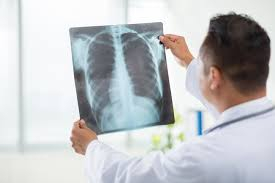
A chest X-ray helps examine the lungs, heart size, and surrounding structures. Doctors may request one when investigating persistent cough, breathing difficulties, suspected infections, or certain chest-related symptoms.
Bone and Joint X-Ray
These examinations are commonly used after falls, accidents, and sports injuries. They can help identify fractures, dislocations, and certain changes affecting the joints.
Spine X-Ray
Imaging of the cervical, thoracic, or lumbar spine may help assess bone alignment, certain degenerative changes, and structural abnormalities.
Dental X-Ray and OPG
An orthopantomogram (OPG) provides a panoramic image of the upper and lower jaws, including the teeth. Dentists may recommend it to evaluate dental development, impacted teeth, and other oral health concerns.
When visiting an x-ray lab in bangalore, confirm that the facility offers the specific examination mentioned in your doctor's prescription.
How Should You Prepare for an X-Ray?
Most routine X-ray examinations require minimal preparation. However, following the instructions provided by the diagnostic centre can make the appointment easier.
Here are some useful precautions:
-
Carry your prescription: Bring your doctor's referral and any relevant medical records.
-
Wear comfortable clothing: Choose clothes that are easy to adjust or remove if necessary.
-
Remove metal objects: Jewellery, belts, and other metal accessories may interfere with certain images.
-
Inform the staff about pregnancy: Tell the healthcare team if you are pregnant or think you might be pregnant before the examination.
-
Bring previous reports: Earlier imaging results may help your doctor compare changes over time.
Some specialised examinations may require additional preparation. Always confirm the instructions before arriving.
Are X-Ray Examinations Safe?
X-rays use ionising radiation, so examinations should be performed when medically justified. For most routine diagnostic studies, the radiation dose is relatively low, although exposure varies depending on the body part and imaging technique.
Diagnostic facilities follow radiation-protection principles to minimise unnecessary exposure while obtaining images suitable for medical interpretation.
Patients should inform the radiographer about pregnancy or possible pregnancy before imaging. The healthcare team can assess whether the examination is necessary and whether an alternative method would be more appropriate.
If you have concerns about radiation exposure, discuss them with your doctor before proceeding.
What Happens After Your X-Ray?
Once the images are captured, they are reviewed according to the facility's reporting process. A radiologist may prepare a report describing the visible findings.
The report is then shared with the patient or referring healthcare provider, depending on the centre's arrangements.
Your doctor will explain what the findings mean and whether additional investigations or treatment are necessary. Remember that an X-ray report should not be interpreted in isolation, as symptoms and medical history also matter.
Choosing an x-ray lab in bangalore that provides clear reporting arrangements can make it easier to coordinate your next steps in healthcare.
Conclusion
Finding a suitable diagnostic facility is an important step when an X-ray is recommended. Consider equipment quality, professional expertise, radiation safety, accessibility, transparent pricing, and reporting arrangements before making your decision. Whether you need chest imaging, a bone examination, or a dental OPG, selecting an appropriate x-ray lab in bangalore can help make the diagnostic process more convenient. Most importantly, follow your doctor's recommendations and choose the examination that matches your medical needs.
Frequently Asked Questions
1. Do I need a prescription for an X-ray?
Requirements may vary depending on the examination and diagnostic facility. It is advisable to carry a doctor's referral whenever available.
2. How long does a routine X-ray take?
Most routine examinations take only a few minutes. Registration, positioning, and waiting times may increase the overall visit duration.
3. Can I eat before an X-ray?
Most standard X-ray examinations do not require fasting. However, certain specialised procedures may involve specific preparation instructions.
4. When will I receive my X-ray report?
Reporting times depend on the examination and the facility's workflow. Ask the centre about the expected turnaround time when booking.
5. Can an X-ray identify every type of injury?
No. While X-rays can identify many fractures and bone abnormalities, some soft-tissue injuries and subtle fractures may require additional imaging or clinical assessment.

