

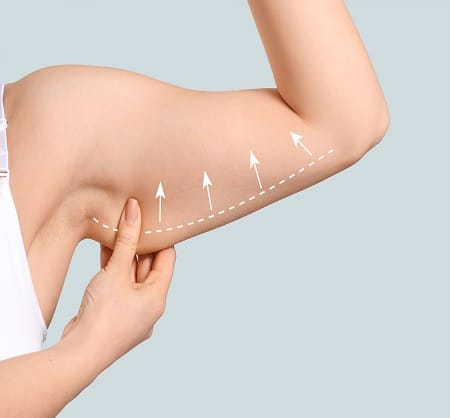

Loose or hanging skin beneath the upper arms can affect body proportions and make the arms appear less firm, particularly after significant weight loss or age-related changes. Arm lift Dubai is a surgical procedure designed to remove excess skin and improve the contour of the upper arms. At Dynamic Life Clinic, patients can discuss their concerns with a qualified surgeon and explore whether this procedure can help achieve smoother, firmer-looking arms.
How Arm Lift Surgery Tightens Loose Upper-Arm Skin
Arm lift surgery, medically known as brachioplasty, improves the appearance of the upper arms by removing excess skin and tightening the remaining tissue. The surgeon makes an incision along the inner or back portion of the arm, removes the loose skin, and closes the incision to create a smoother contour. The incision length depends on the amount and distribution of excess skin.
This procedure is particularly helpful when the skin has lost its elasticity and no longer contracts naturally. By removing the hanging tissue, surgery can reduce the appearance of loose folds and create a more defined shape between the shoulder and elbow.
Common Causes of Sagging Upper Arms
Sagging upper-arm skin can develop for several reasons. Understanding the cause helps determine whether surgery is appropriate or whether another treatment may provide a better result.
-
Significant weight loss: After losing a large amount of weight, the skin may remain stretched and fail to return to its previous shape.
-
Age-related changes: Natural ageing reduces skin elasticity and can contribute to loose tissue around the upper arms.
-
Genetic factors: Some individuals naturally have less elastic skin or a tendency to develop fuller, looser upper arms.
-
Weight fluctuations: Repeated changes in body weight can stretch the skin and affect its ability to contract.
-
Localized fat deposits: Excess fat may contribute to a fuller arm appearance, particularly when combined with loose skin.
The appropriate treatment depends on whether excess skin, fat, or a combination of both is responsible for the arm's appearance.
The Role of Skin Removal in Creating Firmer Arms
Removing excess skin is the main part of a traditional arm lift. When skin has lost significant elasticity, exercise and weight management may not restore its original firmness. Surgery addresses this concern directly by removing the hanging tissue and reshaping the remaining skin.
The amount of skin removed is carefully planned to avoid excessive tension when the incision is closed. The surgeon also considers the natural shape of the arms and the position of the incision. Although the procedure can produce a firmer contour, it leaves permanent scars that may become less noticeable over time but do not disappear completely.
Arm Lift Surgery With Liposuction for Better Contours
Some patients have both excess skin and stubborn fat deposits in the upper arms. In these cases, a surgeon may recommend combining arm lift surgery with liposuction. Liposuction removes selected fat deposits, while brachioplasty addresses the loose skin that remains.
The combination can improve arm definition when both concerns contribute to an uneven or bulky appearance. However, liposuction alone may be more suitable for patients who have localized fat and good skin elasticity. Removing fat without addressing significant skin laxity can leave the arms looking loose. The treatment approach should therefore be based on skin quality, fat distribution, and the degree of sagging.
Expected Results After an Arm Lift
Arm lift surgery can create smoother contours and reduce the amount of hanging skin beneath the upper arms. Patients may notice that their arms appear more proportionate and that clothing fits differently around the upper-arm area. The procedure can also reduce skin folds that cause rubbing or irritation in some individuals.
Results vary according to the amount of excess tissue, skin quality, surgical technique, and healing. The procedure does not stop natural ageing, and future weight changes can affect the appearance of the arms. Maintaining a stable weight and following healthy lifestyle habits can help preserve the improvement.
Recovery and Healing After Arm Lift Surgery
Swelling, bruising, tightness, and temporary discomfort are common during the early recovery period. Patients may need dressings and a compression garment to support the healing tissues and help control swelling. The surgeon provides instructions about incision care, arm positioning, and suitable daily activities.
Heavy lifting, strenuous exercise, and excessive arm movements should be avoided until the surgeon confirms that healing has progressed sufficiently. Some patients can return to light activities relatively soon, but recovery varies depending on the extent of surgery and individual healing. Scars gradually mature over time, although their final appearance differs from person to person.
Checkpoint: Important Considerations Before Arm Lift Surgery
Before choosing brachioplasty, patients should understand the benefits, limitations, and recovery requirements. A detailed medical assessment helps determine whether the procedure is suitable and which surgical approach may provide the most appropriate result.
-
Amount of loose skin: The degree of skin laxity helps determine whether a full or limited-incision arm lift is appropriate.
-
Stable body weight: Significant weight changes after surgery may affect the improved arm contour.
-
Skin elasticity: Skin quality influences the treatment approach and how the remaining tissue settles.
-
Overall health: Medical conditions and medications should be reviewed before surgery.
-
Smoking and nicotine: These can interfere with circulation and wound healing, so patients may be advised to stop before and after surgery.
-
Permanent scarring: Patients should understand the likely incision location and accept that scars will remain.
-
Realistic expectations: Surgery can improve sagging skin but cannot guarantee perfectly smooth or identical arms.
-
Potential complications: Risks include bleeding, infection, fluid accumulation, delayed healing, numbness, asymmetry, and unfavourable scarring.
Treatment Planning at Dynamic Life Clinic
At Dynamic Life Clinic, patients can discuss upper-arm concerns and receive an assessment to determine whether surgery is appropriate. The surgeon may examine the amount of loose skin, fat distribution, skin elasticity, and overall arm proportions. Medical history and personal expectations are also considered when developing a treatment plan. Depending on the findings, the surgeon may recommend a traditional arm lift, a limited-incision technique, liposuction, or a combination of procedures. Individual assessment helps ensure that the proposed approach addresses the patient's concerns while considering safety and recovery.
Frequently Asked Questions
Patients considering an arm lift often want to understand how effectively the procedure tightens loose skin and what results they can expect. These answers explain some common aspects of upper-arm contouring.
Can Arm Lift Surgery Remove Hanging Skin Completely?
An arm lift can remove a substantial amount of excess hanging skin, depending on the patient's anatomy and surgical plan. However, the amount that can be safely removed varies, and some skin irregularity or looseness may remain. The surgeon aims to create a smoother contour without placing excessive tension on the incision.
Can Exercise Tighten Sagging Upper-Arm Skin?
Exercise can strengthen the underlying muscles and improve muscle tone, but it cannot reliably remove skin that has lost significant elasticity. Patients with mild fullness may notice improvements through strength training, while those with substantial hanging skin may require surgery to remove the excess tissue.
Does Arm Lift Surgery Also Remove Upper-Arm Fat?
Yes, selected patients may have liposuction performed alongside an arm lift to reduce localized fat deposits. The main purpose of brachioplasty, however, is to remove excess skin. The surgeon determines whether fat removal is necessary based on the patient's arm structure.
Are Arm Lift Surgery Results Long-Lasting?
Results can be long-lasting when patients maintain a stable weight and healthy lifestyle. However, ageing and major weight fluctuations can gradually change the appearance of the upper arms. The procedure cannot prevent future changes in skin elasticity.
Will Arm Lift Surgery Leave Visible Scars?
Yes, arm lift surgery involves incisions, usually along the inner or back portion of the upper arm. Scar length depends on how much excess skin needs to be removed. Scars generally soften and fade during healing, but they remain permanent and may be noticeable.
Conclusion
Arm lift surgery can help tighten sagging upper arms by removing excess skin and reshaping the remaining tissue. It may be particularly beneficial for individuals experiencing loose skin after significant weight loss or age-related changes. When stubborn fat is also present, liposuction may be combined with skin removal for improved contours. A professional consultation helps determine the most suitable approach, explain expected results, and ensure patients understand the recovery process and permanent scarring associated with the procedure.

