

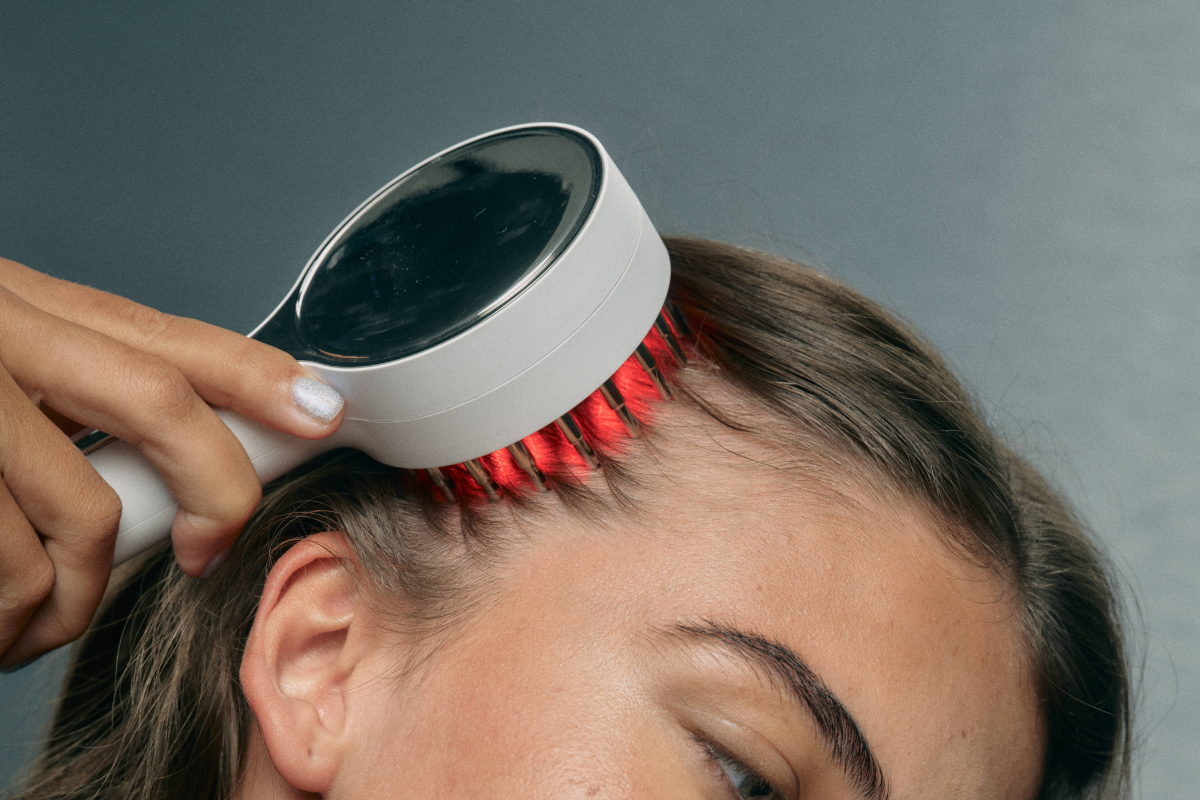

Hair breakage is a common concern that can make hair appear thinner, shorter, and less healthy. It often occurs when the hair shaft becomes weak due to excessive heat styling, chemical treatments, rough brushing, dryness, or environmental damage. Although breakage and hair loss are different problems, they can sometimes occur together and affect overall hair density. Low-level laser therapy is a non-surgical treatment that may support hair follicle activity and improve hair growth in certain individuals. People considering Laser Hair Therapy for Hair Loss in Dubai should understand that its main purpose is to support the follicles rather than repair damaged hair strands. Its potential benefits depend on the cause of the hair problem and the condition of the scalp.
Understanding Hair Breakage
Hair breakage happens when the hair shaft becomes fragile and snaps before reaching its natural length. Unlike hair shedding, which involves strands falling from the root, breakage usually leaves shorter pieces of hair with uneven ends. Common causes include frequent blow-drying, straightening, bleaching, colouring, tight hairstyles, excessive brushing, and inadequate conditioning. Repeated damage can affect the appearance of hair density, making the scalp more visible even when the follicles are still producing new strands. Identifying the source of damage is important because breakage requires a different approach from follicle-related hair loss.
The Difference Between Breakage and Hair Loss
Hair breakage and hair loss may look similar, but they involve different parts of the hair. Breakage occurs along the hair shaft, while shedding usually involves a complete strand released from the follicle. Hair loss can develop because of genetics, hormonal changes, illness, nutritional deficiencies, or scalp conditions. Breakage is more commonly associated with physical or chemical damage. Some individuals experience both problems at the same time, so a scalp and hair assessment can help identify which issue is contributing most to reduced hair volume.
The Role of Laser Hair Therapy
Low-level laser therapy, also known as low-level light therapy or photobiomodulation, uses specific wavelengths of light directed towards the scalp. It is designed to influence cellular activity around existing hair follicles and may support hair growth in some people with hereditary pattern hair loss. Research has reported improvements in hair density or thickness for certain individuals, although results are not guaranteed. The treatment does not directly repair split ends, seal damaged cuticles, or strengthen broken hair shafts because its target is the follicle beneath the scalp.
Supporting Healthier Hair Growth
When hair becomes thinner because follicles produce finer strands, supporting follicular activity may help improve overall hair density in some individuals. Low-level laser therapy may be considered for people with early or moderate pattern hair loss when the follicles remain active. As new strands grow, they may contribute to better scalp coverage and a fuller appearance. However, this does not mean the treatment prevents all breakage. Existing damaged strands still require gentle handling and suitable hair care to reduce further snapping.
Common Factors That Increase Hair Breakage
Several everyday habits can weaken hair and increase the risk of breakage. Frequent use of high-temperature styling tools can remove moisture and damage the hair's outer protective layer. Bleaching, chemical straightening, and repeated colouring may also affect the structure of the strands. Tight ponytails, rough towel drying, brushing wet hair aggressively, and using unsuitable hair products can add further stress. Dryness and friction may make already fragile strands more likely to snap, so reducing these factors is an important part of maintaining hair length and appearance.
A Suitable Treatment Approach for Thinning Hair
Laser therapy may be considered when reduced hair density is related to hereditary pattern hair loss rather than breakage alone. A professional can examine the scalp, review the history of shedding, and assess whether the follicles remain active. If breakage is the main concern, the treatment plan may focus more on reducing heat exposure, improving hair care practices, and addressing dryness or chemical damage. When both thinning and breakage are present, different approaches may be needed to manage each problem rather than relying on one treatment.
Treatment Sessions and Consistency
Low-level laser therapy is usually performed through repeated sessions over several weeks or months. Depending on the device, the schedule may involve treatment several times per week or another routine recommended by the manufacturer or treating professional. Some clinical studies have assessed results after approximately 16 to 26 weeks, but there is no universal session count for every person. Consistency is important when evaluating potential changes in hair density, while increasing treatment frequency beyond the recommended schedule does not necessarily improve results.
Hair Care Practices to Reduce Breakage
Gentle hair care can help protect the hair shaft and reduce avoidable damage. Using a suitable conditioner, limiting high-temperature styling, avoiding frequent chemical processing, and choosing loose hairstyles may help minimise stress on fragile strands. Detangling carefully with an appropriate brush or wide-tooth comb can also reduce unnecessary pulling. Hair should be handled gently after washing because wet strands may be more vulnerable to stretching and breakage. These habits can improve manageability and help preserve existing hair length, although they do not treat the underlying causes of follicle-related hair loss.
Nutrition and Overall Hair Health
Hair growth depends on several nutrients that support normal body functions and follicle activity. Inadequate intake of protein, iron, zinc, and certain vitamins may contribute to hair problems in people with confirmed deficiencies. However, taking additional supplements without identifying a deficiency is not always beneficial and may sometimes cause harm. A balanced diet and professional assessment are more appropriate ways to address possible nutritional factors. If breakage or shedding continues despite improved hair care, a healthcare professional may recommend further evaluation.
Safety and Treatment Considerations
Low-level laser therapy is generally considered non-invasive and is usually well tolerated when used according to device instructions. Some individuals may experience temporary scalp dryness, itching, tenderness, or warmth. It is important to use the device at the recommended frequency and follow any safety precautions. Sudden hair loss, patchy bald areas, scalp pain, redness, scaling, or signs of infection should be medically assessed before starting treatment. These symptoms may indicate a condition that needs specific medical care rather than a cosmetic hair restoration approach.
Conclusion
Laser hair therapy may support follicle activity and improve hair density in some people experiencing hereditary pattern hair loss, but it does not directly repair broken hair strands or prevent all forms of breakage. People dealing with both concerns may need a combined approach that addresses scalp health, follicle-related thinning, and damage along the hair shaft. Identifying the main cause is the first step towards choosing appropriate care. Consistent treatment, gentle hair handling, and realistic expectations can help support healthier-looking hair over time.
Frequently Asked Questions
Can laser hair therapy repair broken hair?
No. Laser therapy targets the scalp and hair follicles rather than damaged sections of the hair shaft. Broken strands require gentle hair care and protection from further damage.
Does laser therapy make hair strands stronger?
It may improve hair density or thickness in some people with pattern hair loss, but it does not guarantee stronger individual strands or repair existing damage.
Can hair breakage cause thinning?
Yes. Repeated breakage can reduce visible hair length and volume, making the hair appear thinner. However, it does not necessarily mean that the follicles have stopped producing hair.
Is laser hair therapy suitable for people with dry hair?
Dry hair alone is not an indication for laser therapy. If dryness is causing breakage, improving moisture and reducing damaging styling practices may be more relevant. Laser therapy may be considered separately if follicle-related thinning is also present.
How can I tell whether my hair is breaking or falling out?
Broken strands are usually shorter and may have uneven ends, while naturally shed hairs are generally full-length and may have a small bulb at one end. A professional examination can help distinguish between the two.
Can I use hair oils during laser hair therapy?
Hair oils may be used as part of a normal hair care routine if they suit the scalp and hair type. However, follow the device instructions regarding scalp preparation and avoid applying products that may interfere with its use.
How long does it take to improve hair density with laser therapy?
Hair density changes generally take several months to assess. Some studies have reported improvements after approximately four to six months, but individual results vary and are not guaranteed.

