

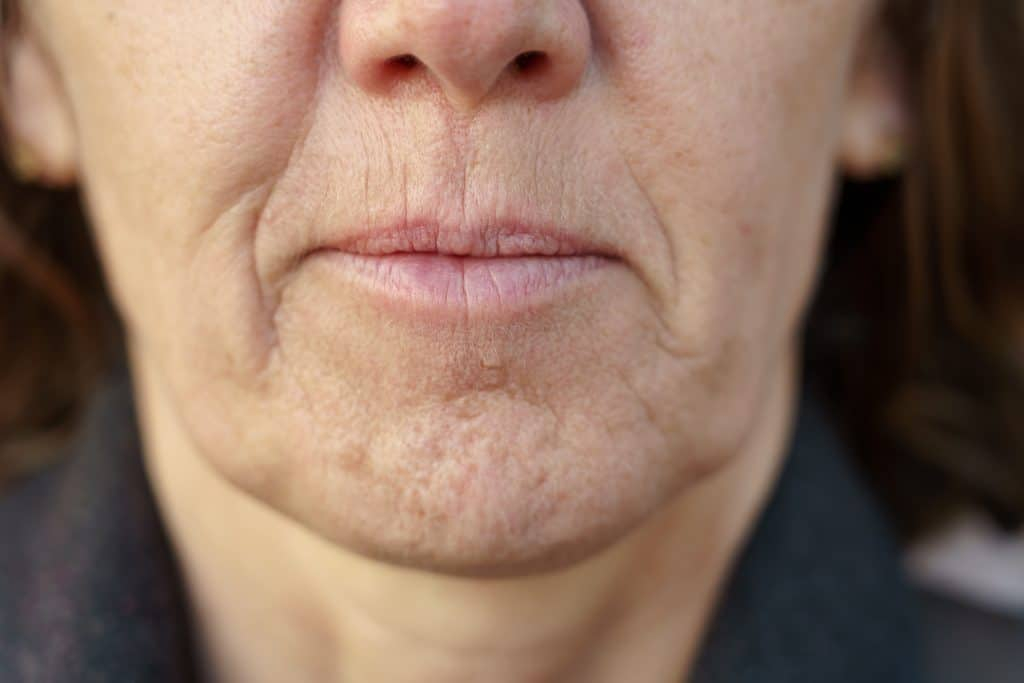

Fine lines and wrinkles are common signs of skin ageing that can develop due to reduced collagen, sun exposure, dehydration, and repeated facial movements. Understanding Fine Lines and Wrinkles Removal in Dubai can help individuals explore ways to improve skin texture and maintain a smoother appearance. In an informational and advertorial context, Dynamic Clinic in Dubai provides a reference point for learning about aesthetic approaches to visible ageing and skin rejuvenation.
Understanding Why Fine Lines and Wrinkles Develop
Wrinkles form as the skin gradually loses some of its natural strength and elasticity. Collagen and elastin are two important proteins that help maintain firmness and flexibility. Their production decreases with age, making the skin more likely to develop creases.
Several factors can contribute to this process:
-
Sun exposure: Ultraviolet (UV) rays damage collagen and accelerate visible skin ageing.
-
Dehydration: Insufficient moisture can make fine lines appear more noticeable.
-
Facial movements: Repeated expressions may contribute to lines around the eyes, forehead, and mouth.
-
Environmental pollution: Free radicals can contribute to oxidative stress and skin damage.
-
Lifestyle habits: Smoking, poor sleep, and an unbalanced diet may affect overall skin health.
Understanding these causes helps people choose suitable skincare habits and make informed decisions about skin rejuvenation.
How Does a Daily Skincare Routine Help?
A consistent skincare routine supports the skin barrier, maintains hydration, and protects against environmental damage. Although skincare cannot completely remove established wrinkles, certain ingredients can improve the appearance of fine lines and support healthier-looking skin.
A useful daily routine includes:
1. Gentle Cleansing
Cleansing removes sweat, excess oil, sunscreen, and environmental impurities. A mild cleanser helps keep the skin clean without removing too much of its natural moisture. Harsh products may cause dryness and irritation, making fine lines more visible.
2. Regular Moisturising
Moisturisers help reduce water loss and maintain skin hydration. Ingredients such as hyaluronic acid, glycerin, and ceramides can support moisture retention.
Well-hydrated skin often appears smoother because moisture helps temporarily soften the appearance of fine lines.
3. Daily Sun Protection
Sun protection is one of the most important steps in preventing premature skin ageing. UV exposure can break down collagen and contribute to wrinkles, uneven skin tone, and rough texture.
Using a broad-spectrum SPF 30 or higher sunscreen can help protect the skin. Reapplication is important during prolonged outdoor activities, particularly in Dubai's sunny climate.
Which Skincare Ingredients Support Smoother Skin?
Some skincare ingredients have evidence supporting their role in improving visible signs of ageing. Their suitability depends on skin type, sensitivity, and existing skin concerns.
| Ingredient | Potential Skin Benefits |
|---|---|
| Retinol | Supports skin renewal and improves fine lines |
| Hyaluronic acid | Helps maintain skin hydration |
| Vitamin C | Provides antioxidant protection and supports collagen production |
| Niacinamide | Supports the skin barrier and improves uneven texture |
| Peptides | May support skin firmness and hydration |
Retinoids, including retinol, are particularly useful for photoaged skin. However, they should be introduced gradually because they can cause dryness, redness, or irritation. Pregnant individuals should avoid topical retinoids unless advised otherwise by their healthcare professional.
Can Professional Treatments Complement Skincare?
Skincare products mainly work on the skin's surface and cannot always address deeper wrinkles or significant loss of firmness. Professional skin rejuvenation treatments may be considered when topical care does not adequately address individual concerns.
Depending on the skin condition, treatment options may include:
-
Laser skin treatments: Certain laser procedures target damaged skin layers and stimulate collagen remodelling.
-
Chemical peels: These treatments remove controlled layers of surface skin to improve texture and uneven pigmentation.
-
Microneedling: Small controlled skin punctures stimulate the natural repair response and may support collagen production.
-
Other aesthetic procedures: Selected treatments may address specific concerns such as deeper facial folds or volume loss.
The appropriate approach depends on wrinkle depth, skin type, medical history, and individual expectations. A qualified healthcare professional should assess the skin before any procedure.
How Can Lifestyle Choices Influence Skin Ageing?
Healthy daily habits can support the skin's natural repair processes and complement a suitable skincare routine.
Important habits include:
-
Drinking enough water to maintain normal hydration.
-
Eating a balanced diet containing fruits, vegetables, and protein.
-
Getting sufficient sleep to support normal skin recovery.
-
Avoiding smoking, which contributes to collagen breakdown.
-
Limiting unnecessary sun exposure and using protective clothing.
-
Following a consistent skincare routine rather than frequently changing products.
These habits support general skin health but cannot completely prevent natural ageing.
When Should You Consider a Skin Assessment?
A professional skin assessment may be helpful when wrinkles become more noticeable, skin texture changes, or ordinary skincare products no longer address specific concerns. An assessment can help identify whether the main issue involves dehydration, sun damage, reduced elasticity, or deeper facial folds.
It is also important to discuss existing skin conditions, allergies, previous cosmetic procedures, and product sensitivities before selecting a treatment. Individual skin responses vary, so treatment recommendations should be based on clinical assessment rather than general assumptions.
Conclusion
Skincare plays an important role in maintaining hydration, protecting collagen, and improving the appearance of fine lines and wrinkles. Gentle cleansing, moisturising, sunscreen, and evidence-based ingredients can support healthier-looking skin over time. When deeper wrinkles or reduced skin firmness require additional attention, professional assessment can help identify suitable rejuvenation options. Combining consistent skincare habits with appropriate professional guidance provides a more informed approach to managing visible signs of ageing.

