

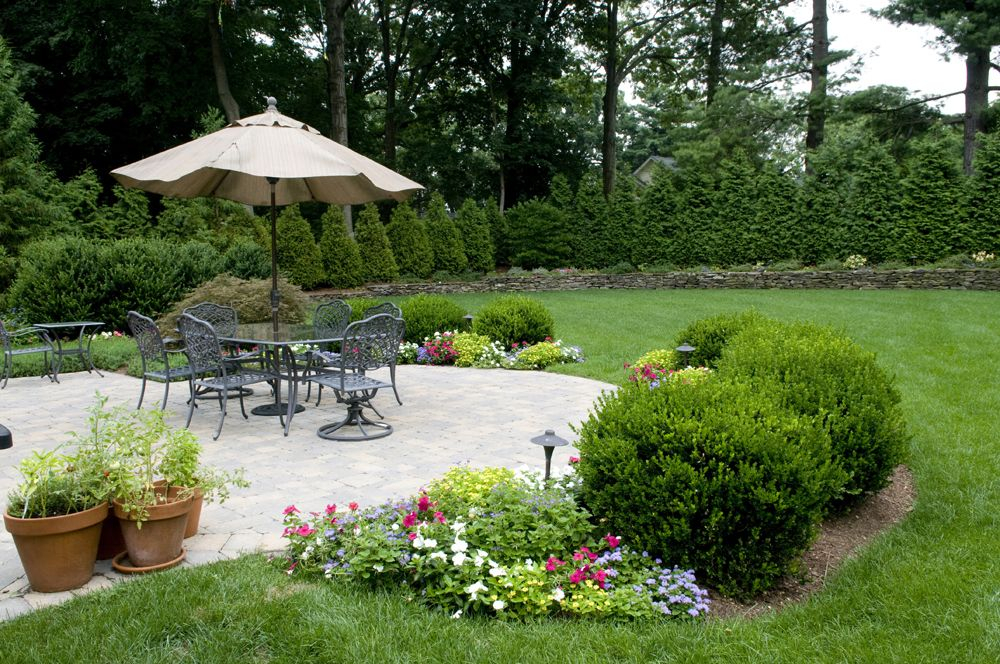
Residential Landscape Design: Plan an Attractive and Functional Home Exterior

Residential landscape design helps homeowners create outdoor spaces that match their homes and daily needs. A well-designed landscape combines plants, lawns, walkways, patios, trees, and other outdoor features into one organized layout. It can improve the appearance of a property while making the yard easier to use and maintain.
Every home has different landscaping needs. Some properties have large front yards with room for trees and garden beds. Others have small outdoor areas that require careful planning. Residential landscape design takes these differences into account and creates a layout that uses available space effectively.
A successful landscape should also work with the local climate, soil, sunlight, and drainage conditions. Choosing suitable materials and plants helps homeowners create an outdoor environment that remains practical over time.
What Is Residential Landscape Design?
Residential landscape design is the process of planning and arranging outdoor features around a home. It includes both the visual appearance and practical function of the property.
The process begins with an assessment of the existing space. Designers study the property's size, shape, slope, soil, sunlight, and existing structures. They also discuss how homeowners want to use their yards.
The design may cover front yard landscaping, backyard improvements, side yard pathways, garden beds, outdoor seating, and driveway borders. Each area should connect naturally with the rest of the property.
A complete landscape plan also considers future maintenance. Plants should have enough room to grow, walkways should provide comfortable access, and outdoor surfaces should allow proper drainage.
Designing a Welcoming Front Yard
The front yard creates the first outdoor impression of a home. A clean and organized design can improve curb appeal and make the entrance easier to access.
The main entrance should remain easy to identify. Walkways can connect the driveway, sidewalk, and front door. Planting beds can frame these paths without blocking access.
Shrubs and smaller trees can add structure around the house. Flowering plants provide seasonal color, while ground cover can fill suitable areas between larger plants.
Homeowners should avoid placing large plants too close to windows, doors, or utility equipment. Mature plant size matters because landscaping needs to remain practical as plants grow.
Planning a Functional Backyard
The backyard often provides more flexibility than the front yard. Homeowners can use it for outdoor dining, recreation, gardening, and relaxation.
Backyard landscape service can divide the backyard into separate areas based on their intended use. A patio may serve as the main gathering space, while lawn areas provide room for children or pets.
Garden beds can create natural borders and add visual interest. Trees may provide shade, depending on their location and mature size. A walkway can connect the patio with other parts of the yard.
The design should leave enough open space for movement. A crowded layout can make even a large backyard feel uncomfortable.
Selecting the Right Landscape Plants
Plants form an important part of residential landscaping. They add color, texture, shade, privacy, and natural structure.
Plant selection should start with the property's growing conditions. Designers consider how much sunlight an area receives and whether the soil drains well. They also consider how much watering and pruning each plant may require.
Trees work well as larger landscape features. Shrubs can define property areas or create privacy. Perennials return over multiple growing seasons, while annual flowers offer seasonal color.
Native and adapted plants can reduce the need for extra care when they suit the site's conditions. However, homeowners should still consider the mature height, spread, and water needs of every plant.
Choosing Hardscape Materials
Hardscape features include nonliving outdoor elements such as patios, retaining walls, walkways, steps, and decorative stone areas. These features provide structure and make outdoor spaces easier to use.
Pavers are popular for patios and pathways because they come in many shapes and colors. Natural stone offers a different appearance and works well in selected outdoor settings. Concrete can provide a practical surface for larger areas.
The selected material should match the home's exterior and intended use. A driveway requires materials and installation methods that support vehicle weight. A garden walkway may have different requirements.
Hardscape planning should also account for drainage and surface height. Poorly planned paving can direct water toward the home or create uneven transitions between outdoor areas.
Creating Balance Between Plants and Hardscapes
A good residential landscape combines planted areas with functional surfaces. Too much paving can make a yard feel plain, while too many plants can make it difficult to maintain.
Designers use spacing, shape, texture, and color to create balance. Planting beds can soften the edges of a patio or walkway. Trees and shrubs can create visual boundaries without closing off the entire yard.
The home's architectural style can guide these choices. A traditional home may suit brick pathways and organized garden beds. A modern home may work better with clean lines, simple planting arrangements, and fewer decorative details.
Understanding Drainage and Property Grading
Water movement should influence the landscape design from the beginning. Rainwater that collects near the home can damage outdoor surfaces and create problems around the foundation.
The property's slope, soil type, and existing drainage features affect how water moves. Designers may recommend grading adjustments, drainage channels, or other suitable solutions.
Landscape plants can also influence water movement. Certain planting areas may help manage runoff, but they should not replace drainage systems when the property needs more direct water control.
A well-planned design keeps water away from structures and protects planted and paved areas.
Adding Outdoor Lighting
Outdoor lighting improves visibility and allows homeowners to use selected areas after sunset. It can also highlight pathways, entrances, garden features, and seating areas.
Path lights help people move safely through the yard. Lighting near steps and changes in elevation improves visibility. Suitable fixtures around patios can support outdoor dining and gatherings.
The placement of lights matters. Fixtures should provide useful illumination without creating excessive glare or disturbing nearby properties.
Energy-efficient LED fixtures offer a practical option for many residential landscape lighting projects.
Designing for Easy Landscape Maintenance
Maintenance should remain part of every landscape design. A beautiful layout can become difficult to manage if it requires excessive watering, frequent pruning, or constant cleaning.
Homeowners should consider their available time before selecting plants and outdoor features. Low maintenance does not mean no maintenance. Every landscape needs some care.
Proper plant spacing helps reduce crowding. Mulch can limit weed growth and help retain soil moisture. Suitable irrigation systems can support consistent watering.
The design should also allow access to outdoor equipment, drainage points, and areas that need regular cleaning.
The Value of Professional Residential Landscape Design
Professional landscape designers bring planning and practical knowledge to residential projects. They understand how plants, paving, drainage, lighting, and structures work together.
A professional can help homeowners avoid unsuitable plant choices and poorly arranged outdoor features. They can also create a plan that fits the property's dimensions and the homeowner's goals.
Contractors can coordinate the installation of different landscape elements so the completed yard looks organized. Professional planning also helps homeowners understand project requirements before work begins.
Conclusion
A residential landscape design service creates an organized outdoor environment that supports the appearance and function of a home. A thoughtful plan combines suitable plants, durable hardscapes, clear walkways, proper drainage, and useful outdoor lighting. Homeowners can enjoy a more attractive property when each feature has a clear purpose and fits the available space.
All American Vidal Contracting LLC is the best company for residential landscape design in Madison, AL and its surrounding areas. The company provides outdoor improvement services that help homeowners create practical and attractive landscapes. Contact All American Vidal Contracting LLC to discuss your residential landscape design ideas and plan improvements for your home.
Frequently Asked Questions
1. What is included in residential landscape design?
It can include front yard planning, backyard layouts, plant selection, lawn areas, patios, walkways, drainage, retaining walls, and outdoor lighting.
2. How much does residential landscape design cost?
The cost depends on property size, design complexity, selected materials, plants, labor, and installation requirements. A project assessment helps establish an accurate estimate.
3. How do I choose plants for my home landscape?
Consider sunlight, soil, drainage, mature plant size, local weather, and maintenance needs before choosing plants.
4. Can landscape design improve curb appeal?
Yes. Organized planting beds, clean walkways, suitable trees, and attractive entrance areas can improve the overall appearance of a property.
5. When is the best time to start a residential landscaping project?
The best time depends on the project and plant varieties. Many outdoor improvements can take place during suitable weather conditions when the ground allows proper preparation and installation.

