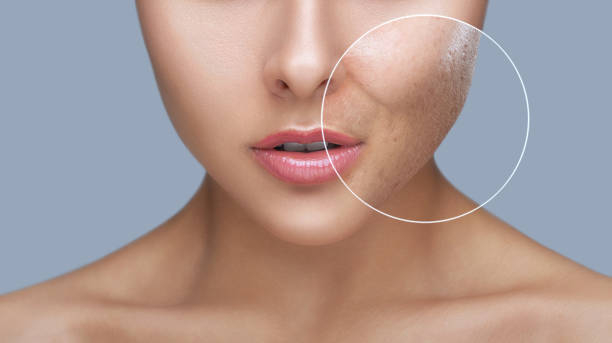
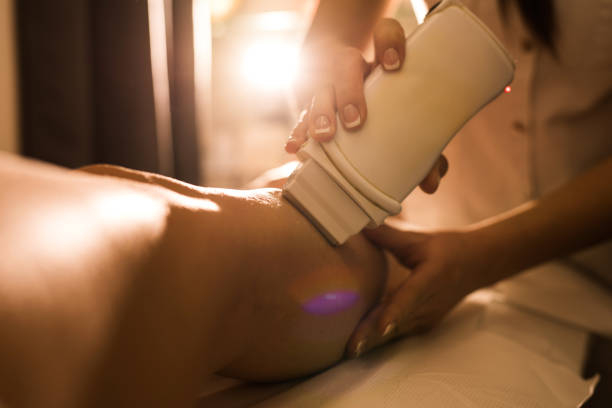
Keloids are raised, thickened scars that grow beyond the original injury site—and for people prone to them, any skin treatment carries added consideration. Laser acne scar treatments, which create controlled injuries to stimulate collagen remodeling, raise a legitimate question: can they trigger keloid formation? The answer is nuanced. Laser Acne Scar Treatments in Riyadh Lasers can be used on keloid-prone skin, but only with careful assessment, appropriate technology, and precautions that minimize risk. This guide explains what keloid-prone patients should know before pursuing laser acne scar treatment.
Understanding Keloids and Keloid-Prone Skin
Keloids result from excessive collagen production during healing—the scar grows beyond the original wound boundaries and may continue enlarging over time. They're more common in certain individuals, particularly those with darker skin tones, and on certain body areas like the chest, shoulders, back, and earlobes. A personal or family history of keloids signals that your skin may respond to injury—including laser treatment—with excessive scarring. This doesn't disqualify you from treatment, but it requires careful planning.
Can Laser Treatment Trigger Keloids?
Yes—laser treatment creates controlled injuries, and in keloid-prone individuals, any injury can potentially trigger keloid formation. However, the risk varies based on laser type, treatment depth, location, and individual factors. Some lasers—particularly ablative lasers that remove the skin surface—carry higher risk than non-ablative lasers that treat without removing the outer layer. Your provider assesses your keloid history and selects technology and settings to minimize risk. The goal isn't to avoid treatment entirely but to manage risk carefully.
Assessment: The Critical First Step
Before any laser treatment, a provider experienced with keloid-prone skin assesses your history: Have you developed keloids before? Where? How did they respond to treatment? Do you have a family history? Are your acne scars located on high-risk areas like the chest, shoulders, or back? This assessment determines whether laser treatment is appropriate, which technology to use, and what precautions to take. Concealing keloid history to avoid being declined removes the safeguard designed to protect you.
Choosing the Right Technology
Not all lasers carry equal keloid risk. Non-ablative fractional lasers—which create microscopic treatment zones while leaving the skin surface intact—are generally considered lower risk than ablative lasers. Some providers prefer specific wavelengths or delivery methods for keloid-prone skin. Your provider selects technology based on your keloid history, scar types, and treatment areas. The right technology reduces—but doesn't eliminate—risk.
Conservative Settings and Test Spots
For keloid-prone patients, conservative settings are essential. Your provider may use lower energy levels, fewer passes, and gentler approaches to reduce injury depth and healing burden. A test spot—treating a small area first and observing healing—is often recommended before full treatment. This allows your provider to assess how your skin responds and adjust the plan accordingly. Test spots are a safety measure, not a sign of uncertainty.
Treatment Location Matters
Keloid risk varies by body area. The chest, shoulders, back, and earlobes are higher-risk; the face is generally lower-risk. If your acne scars are on high-risk areas, your provider may recommend caution, modified technique, or alternative approaches. If scars are on lower-risk areas, laser treatment may be more appropriate. Location is a key factor in treatment planning for keloid-prone skin.
Monitoring Healing Closely
After treatment, monitor healing closely for signs of keloid formation—raised, firm, thickened tissue that grows beyond the treatment area. Early signs include itching, tenderness, or a raised ridge forming at the treatment site. If you notice these signs, contact your provider promptly—early intervention (such as silicone products, injections, or laser treatment for the keloid) can improve outcomes. Don't wait to see if it resolves on its own.
Prevention Strategies
Prevention starts before treatment: disclose keloid history, choose an experienced provider, consider test spots, use conservative settings, and select lower-risk technology. After treatment, follow aftercare carefully—avoiding trauma to the area, protecting from sun, and monitoring healing. Some providers recommend silicone gel or sheets after healing to reduce keloid risk. These strategies don't eliminate risk but significantly reduce it.
Alternative Approaches
If keloid risk is significant, your provider may recommend alternatives to laser treatment—or modifications that reduce risk. These might include non-laser approaches (microneedling with caution, subcision, fillers), gentler laser settings, or treating only lower-risk areas. The goal is improvement with acceptable risk—not treatment at any cost. Discuss alternatives openly with your provider.
Questions to Ask During Consultation
Ask: Given my keloid history, is laser treatment appropriate for me? Which technology carries the lowest risk? Should I have a test spot first? How will you monitor for keloid formation? What should I do if I notice signs? A provider who answers specifically—referencing your keloid history—demonstrates the experience that safe treatment requires.
When to Seek Professional Guidance
If you have keloid-prone skin and are considering laser acne scar treatments, professional assessment is essential. A consultation can evaluate your history and recommend an appropriate plan. For personalized guidance on laser acne scar treatments for keloid-prone skin, a consultation with qualified professionals offers clarity and safe direction.
Final Thoughts: Possible With Precautions
Can you have laser acne scar treatments if you're keloid-prone? Yes—with careful assessment, appropriate technology, conservative settings, test spots, and close monitoring. The risk isn't zero, but it can be managed. Choose a provider experienced with keloid-prone skin, disclose your history honestly, and proceed with appropriate precautions. Improvement is possible—with care.
Book an Appointment Consultation Clinic
For those seeking expert guidance and customized aesthetic care, you can book an appointment consultation at the .
FAQs
Can laser treatment cause keloids?
Yes—lasers create controlled injuries that can trigger keloid formation in prone individuals, though risk varies by technology and location.
Is laser treatment safe for keloid-prone skin?
With careful assessment, conservative settings, and appropriate technology—yes, but precautions are essential.
Should I have a test spot before treatment?
Yes—a test spot allows your provider to assess how your skin heals before committing to full treatment.
Which areas are highest risk for keloids?
The chest, shoulders, back, and earlobes are higher-risk; the face is generally lower-risk.
What should I do if I notice keloid signs after treatment?
Contact your provider promptly—early intervention can improve outcomes and reduce scar progression.