

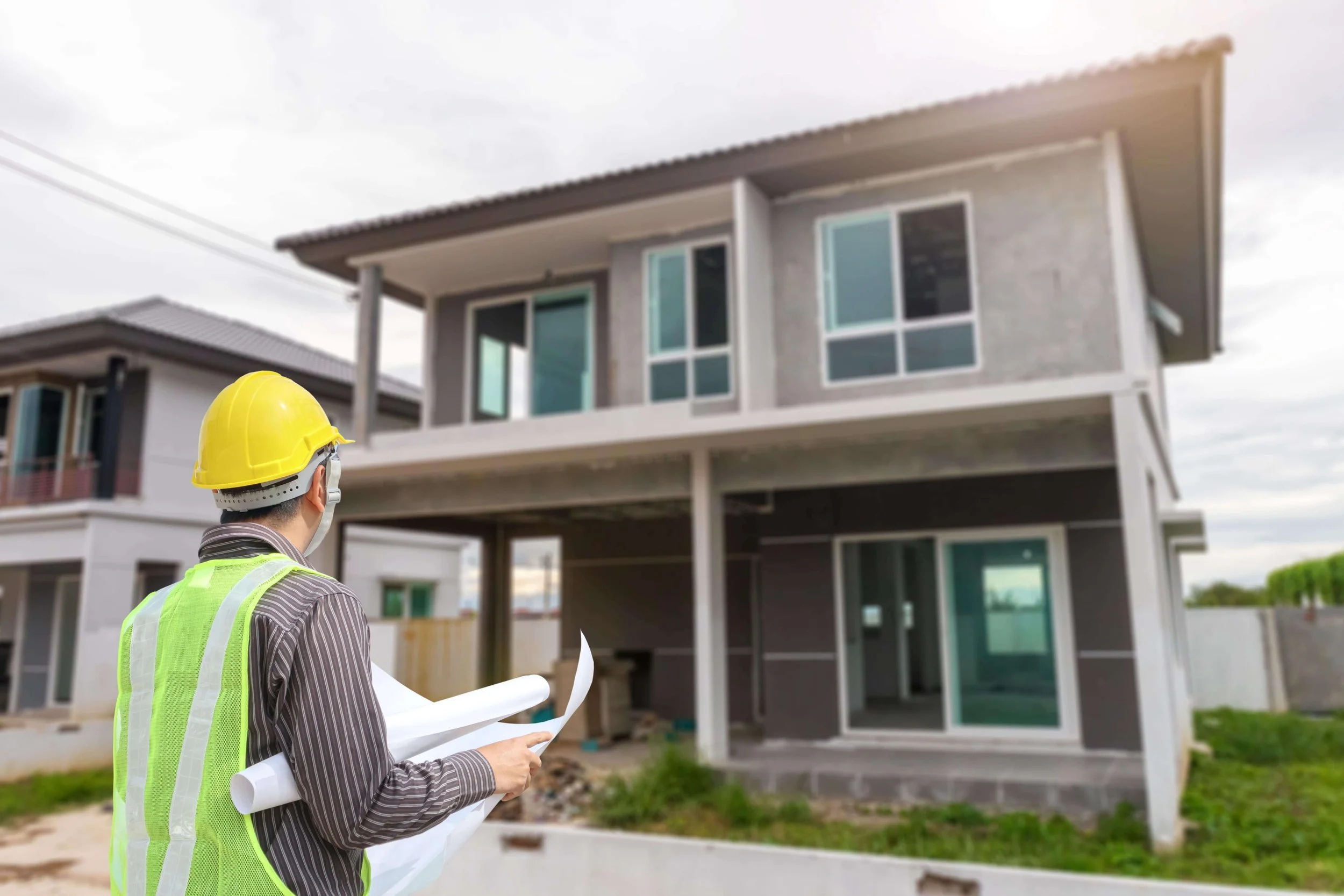

A building may look attractive at first glance, but its actual condition depends on many components that are not always easy to notice. Structural damage, plumbing leaks, roof problems, and electrical concerns can affect a property's safety and value. A property inspection helps buyers, sellers, and homeowners understand the visible condition of a building before making important decisions. It provides useful information about areas that may need maintenance, repair, or further evaluation. Regular inspections can also help property owners recognize small issues before they develop into more expensive problems.
Examining the Foundation and Structure
The foundation supports the entire building, so its condition is an important part of any inspection. Inspectors may look for visible cracks, uneven floors, moisture signs, and changes around walls or support structures. They also examine accessible ceilings, beams, and other structural components for signs of damage. Some cracks may occur as a building naturally settles, while others may require additional attention. During a property inspection, documenting these conditions helps owners understand whether further assessment from a structural specialist is necessary.
Checking the Roof and Exterior Features
The roof protects a building from rain, wind, sunlight, and changing weather conditions. Damaged shingles, loose flashing, worn roofing materials, and blocked gutters can increase the risk of water entering the property. Exterior walls, windows, doors, siding, and visible drainage areas should also be examined. Signs of peeling paint, damaged surfaces, or water stains may indicate maintenance concerns. A detailed property inspection in Punta Gorda helps identify visible exterior problems and gives owners a clearer understanding of repairs that may be needed to protect the building.
Reviewing Plumbing and Water Systems
Plumbing systems support everyday activities, including cooking, cleaning, bathing, and washing. Leaking pipes, dripping faucets, slow drains, and damaged fixtures can cause inconvenience and lead to water damage. Inspectors may operate accessible faucets and fixtures while checking visible pipes and areas around sinks, toilets, and water heaters. They may also look for signs of moisture beneath cabinets or near plumbing connections. A property inspection can identify visible plumbing concerns, although hidden pipes and underground drainage systems may require separate testing by qualified specialists.
Inspecting Electrical Components
Electrical systems need careful attention because damaged wiring or faulty connections can create serious safety concerns. Inspectors may examine accessible outlets, switches, electrical panels, visible wiring, and other components within the inspection scope. They look for warning signs such as exposed wires, damaged covers, loose fittings, or unusual discoloration. Smoke alarms and other visible safety features may also be reviewed. A property inspection does not replace a full electrical evaluation, but it can help identify conditions that should be checked by a licensed electrician.
Evaluating Heating and Cooling Systems
Heating and cooling equipment helps maintain comfortable indoor temperatures throughout the year. During an inspection, accessible systems may be checked for basic operation, visible damage, unusual sounds, and signs of poor maintenance. Thermostats, air filters, vents, and exposed equipment can also provide useful information. Dirty filters, blocked vents, or neglected maintenance may affect system performance. A property inspection can highlight visible concerns and help owners understand when professional HVAC servicing may be necessary. More detailed testing may be required to evaluate internal mechanical components.
Identifying Moisture and Possible Water Damage
Water can damage many parts of a building when it enters through roofs, walls, plumbing systems, or poorly drained areas. Inspectors may look for water stains, peeling paint, damaged flooring, musty odors, and visible mold-like growth. Bathrooms, kitchens, basements, attics, and areas around windows deserve attention because moisture can collect in these locations. A property inspection helps document visible warning signs and identify areas that may need further investigation. Correcting the source of moisture is important because covering damaged surfaces without fixing the cause may allow the problem to return.
Preparing for a Property Inspection
Preparing a building before an inspection can make the process easier and more useful. Owners should provide clear access to important areas such as electrical panels, water heaters, heating equipment, attics, and accessible storage spaces. It is also helpful to share information about previous repairs, known leaks, or recurring maintenance issues. Buyers can prepare questions about specific parts of the building they want examined. A property inspection works best when the inspector can safely reach the areas included in the agreed inspection scope and review available information.
Understanding the Inspection Report
After the inspection, the report provides a record of the conditions observed during the visit. It may include written explanations, photographs, and recommendations for repairs or further evaluation. Some findings may involve routine maintenance, while others may need attention from a qualified specialist. Buyers and property owners should read the report carefully and ask questions about unclear observations. A property inspection is based on conditions visible at the time of the visit, so it cannot guarantee that every hidden defect or future problem will be discovered.
Making Better Decisions About Your Property
Understanding a building's condition helps owners plan repairs, manage maintenance, and make informed decisions about buying or selling. An inspection can reveal visible concerns that may otherwise go unnoticed and identify areas where additional professional evaluation is needed. Property owners should prioritize important safety concerns and address maintenance issues before they become more difficult to manage. A property inspection is a useful step toward responsible building ownership. With regular attention, suitable repairs, and proper maintenance, a property can remain safer, more comfortable, and in better condition for years.

