


Choosing a surprise gift for a child can be exciting, but finding something they will genuinely enjoy takes a little thought. Children have different personalities, hobbies and preferences. Some love creative activities, while others are interested in collecting toys, playing with soft plush items or exploring colourful sensory products. A gift that reflects these interests can make the surprise feel much more personal.
The challenge is that children do not always tell parents exactly what they want. Sometimes, their preferences can be understood by observing the activities they enjoy, the toys they use regularly and the things that catch their attention. With a little planning, it is possible to choose a present that feels unexpected while still matching the child's personality.
Parents looking for playful gift inspiration can explore https://gifzy.co.uk/ to discover different toys, novelty products and gift ideas for children.
Observe What the Child Enjoys Doing
One of the easiest ways to choose a suitable surprise is to pay attention to the child's everyday activities. Their favourite toys and hobbies can provide useful clues about what they might enjoy receiving.
For example, a child who spends time drawing may appreciate a creative gift. Someone who enjoys building things might prefer construction toys or puzzles. Children who like collecting small objects may be excited by novelty products with different colours, shapes or designs.
It is also worth noticing which toys the child returns to most often. A toy that remains interesting after several weeks may reveal a stronger preference than something they played with only once.
These small observations can help parents make a more thoughtful choice without directly asking the child what they want.
Consider Their Age and Development
A surprise gift should be suitable for the child's age and abilities. A product that is too complicated may cause frustration, while something designed for much younger children may not hold an older child's attention.
Babies may enjoy age-appropriate soft toys and simple sensory products. Toddlers often like toys that encourage movement, stacking and exploration. Preschool children may prefer imaginative play items, creative materials and simple puzzles.
Older children usually develop more specific interests. They may enjoy collecting toys, playing games, exploring hobbies or trying more challenging activities.
Always check the manufacturer's age recommendations and safety information before purchasing. This is particularly important when choosing toys with small parts, detachable pieces or materials that need special care.
Choose a Gift Based on Their Personality
Children can have very different personalities, even when they are the same age. Some enjoy quiet activities, while others prefer energetic play and social interaction. Thinking about these differences can help narrow down gift choices.
A child who enjoys calm activities might appreciate a plush toy, colouring materials or a puzzle. Someone who likes hands-on play may prefer squishy toys, building products or fidget items. Children who enjoy imaginative stories may like dolls, toy vehicles or character-based products.
There is no need to choose a gift simply because it is popular. A present that reflects the child's personality is more likely to feel meaningful and enjoyable.
Explore Sensory and Squishy Toys
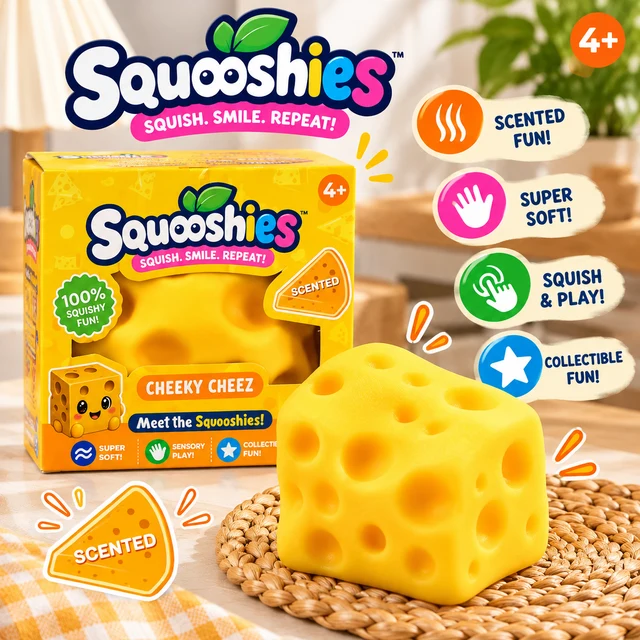
Some children enjoy toys that offer interesting textures and physical interaction. Squishy and sensory-inspired products can be a fun surprise for children who like squeezing, touching and exploring different shapes.
These toys are available in various designs, including colourful and novelty styles. Their variety can make them appealing to children who enjoy having several different items in their toy collection.
Parents can explore https://gifzy.co.uk/collections/squeeze-squishy-toys for examples of squishy toys that may suit children who enjoy hands-on play. Before choosing a product, check its recommended age, material details and safety instructions.
It is also important to consider the child's preferences. Not every child enjoys the same textures or types of sensory products, so choosing a design that reflects their interests is a better approach than buying something simply because it is different.
Think About Their Existing Toy Collection
Looking at the toys a child already owns can help prevent unnecessary or unsuitable purchases. If they have several similar products, a completely different type of gift may offer more variety.
For example, a child who already has many plush toys might enjoy a creative activity or novelty item instead. Someone who collects different toy designs may appreciate another product that fits their favourite theme.
You can also consider whether the new gift offers a different way to play. A building toy, for instance, may provide a new experience for a child who usually prefers imaginative play.
The purpose is not always to buy something completely different. Sometimes, adding a new design to an existing collection is exactly what a child wants.
Choose Something That Encourages Creativity
Creative gifts can be suitable for children who enjoy making things, experimenting and expressing their ideas. Art materials, craft activities and building toys can provide opportunities for children to explore their imagination.
A child might use craft materials to make decorations, create pictures or design something of their own. Building products can encourage them to experiment with different shapes and structures.
These gifts can also be enjoyed in different ways as children grow. Instead of following one fixed activity, they can use their imagination to create new ideas.
However, creativity does not always require complicated products. Simple materials can provide plenty of opportunities for enjoyable play.
Make the Surprise Feel Personal
The way a gift is presented can make the experience more memorable. Colourful wrapping, a handwritten card or a small message can add a personal touch.
Parents can also connect the gift with something the child enjoys. For example, a child who loves animals might appreciate an animal-themed present. A young collector may enjoy a new item that adds to a favourite collection.
A personal gift does not necessarily need to be customised. Choosing something that shows an understanding of the child's interests can be enough to make it special.
It is also possible to create a small gift package using a few related items. A combination of a toy and a creative activity, for example, can provide more than one enjoyable experience.
Set a Budget Before Choosing a Gift
It is easy to spend more than planned when browsing different gift options. Setting a budget before shopping can make the process simpler and help parents focus on suitable choices.
A thoughtful surprise does not need to be expensive. Children may enjoy a small toy that matches their interests more than a costly product that does not suit their preferences.
Parents should compare quality, usefulness and age suitability rather than focusing only on price. A well-chosen gift that receives regular use can offer better value than something purchased simply because it looks impressive.
Avoid Choosing Only What Is Trending
Popular toys can be tempting, especially when children see them in advertisements or among their friends. However, a trending product may not necessarily match every child's interests.
Before buying something popular, consider whether the child has shown any interest in it. If they usually prefer creative activities, a toy that is currently fashionable may not be the best option.
Trends can provide inspiration, but they should not replace personal observation. The most successful surprise gifts are usually connected to something the child already enjoys or is curious about exploring.
Keep the Gift a Surprise Without Guessing Blindly
Keeping a present secret can be difficult, particularly when children are naturally curious. Parents can maintain the surprise by asking general questions about favourite activities rather than directly discussing the gift.
They can also observe what children enjoy during family outings, visits to toy shops or playtime with friends. These situations may reveal interests that are not always obvious at home.
If the child has a specific hobby, choosing something connected to it can be a safe starting point. There is no need to make the gift complicated just to create an unexpected experience.
Make the Surprise Meaningful
A good surprise gift combines thoughtfulness, enjoyment and suitability. It should reflect the child's personality, match their age and offer an experience they are likely to appreciate.
Parents can make better choices by observing everyday interests, considering existing toys and looking beyond popular trends. Whether the present is a creative activity, a soft toy, a squishy product or something connected to a favourite hobby, the most important factor is how well it suits the child.
A surprise becomes more special when it shows that someone has paid attention to what makes the child happy. With a little planning, even a simple gift can create excitement and become a memorable part of a special occasion.

