

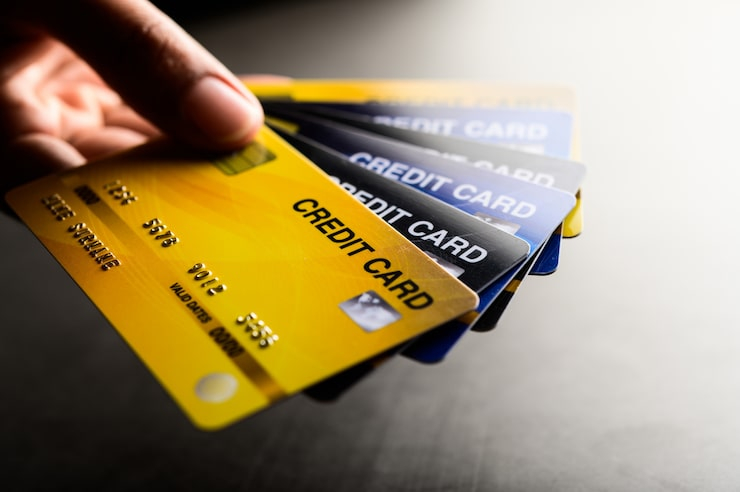
Are Digital Wallets Changing How Saudi Consumers Manage Everyday Transactions?

Saudi Arabia’s payments ecosystem is evolving around digital convenience, contactless transactions, flexible payment solutions, and increasingly integrated financial services. According to a Vyansa Intelligence report, the Saudi Arabia cards and payments market was valued at $ 381.37 Billion in 2025 and is projected to reach $ 434.32 Billion by 2032, registering a CAGR of 1.87% during 2026-2032. The direction of the industry reflects a broader transition toward digital-first payment experiences while cards continue to provide an important foundation for everyday transactions.
Digitalisation Is Redefining Everyday Payments
Digitalisation has become a central force within Saudi Arabia’s cards and payments industry. Consumers are increasingly looking for payment methods that combine speed, convenience, security, and flexibility. This is encouraging greater interaction between traditional card products, digital wallets, mobile payment services, and other technology-enabled financial solutions.
In this report, the movement toward a less cash-dependent economy is closely associated with government initiatives and continued development of payment infrastructure. The national direction is also supported by Saudi Arabia’s wider financial-sector transformation agenda, which emphasises digital payment solutions and innovation.
The latest market analysis therefore points toward an ecosystem where payment providers are expected to deliver more than conventional transaction processing. The emphasis is increasingly on creating seamless experiences that fit naturally into consumers’ digital lifestyles.
Contactless Payments Put Convenience at the Centre
Contactless payment technology is another important element of the Saudi Arabia cards and payments market analysis. Consumers increasingly value payment experiences that require minimal physical interaction and can be completed quickly at points of sale.
The continued development of national payment infrastructure supports this transition. SAMA describes mada as a national payment system that connects electronic payment channels including point-of-sale devices, ATMs, and e-commerce sites, while focusing on flexibility, speed, and security.
For consumers, this means that payment convenience is becoming closely connected with the broader digital experience. Contactless cards and mobile-based payment options can make transactions feel more natural, particularly when integrated into shopping, travel, hospitality, and other everyday activities.
Digital Wallets Are Expanding the Payment Ecosystem
Digital wallets are creating another layer of flexibility within Saudi Arabia’s payment environment. Rather than relying exclusively on physical cards, consumers can increasingly manage payment credentials through mobile devices and use digital interfaces for transactions.
The industry report identifies digital wallets and neo-banking services as important areas of opportunity. These platforms can provide alternatives to conventional branch-based financial interactions while supporting more technology-driven customer experiences.
According to this industry report, the development of digital financial services also has implications for financial inclusion. Greater availability of digital channels can make financial services more accessible while giving consumers additional ways to manage payments.
Saudi Arabia’s financial-sector development agenda similarly emphasises digital financial solutions as a means of improving access and encouraging innovation.
Flexible Payment Solutions Are Gaining Relevance
Consumer expectations are also influencing the development of flexible payment products. Buy Now, Pay Later solutions are highlighted in the report as an emerging part of the payment ecosystem, particularly among digitally oriented consumers.
The appeal of flexible payment solutions lies in giving customers greater control over how they manage purchases. Instead of viewing payment purely as a transaction completed at checkout, consumers can increasingly encounter financial services that are integrated directly into the purchasing journey.
This creates opportunities for payment providers to compete through convenience and user experience. At the same time, responsible product design remains important as financial services become more closely connected with digital commerce.
E-Commerce Is Strengthening Payment Integration
The relationship between payments and e-commerce is becoming increasingly important. Online shoppers expect payment processes to be fast, secure, and compatible with different forms of digital authentication.
SAMA has continued to develop national payment infrastructure for e-commerce, including an interface designed to integrate mada with global payment networks and support smoother technical integration. The initiative also incorporates payment-card tokenisation to strengthen the security of electronic transactions.
For the Saudi Arabia cards and payments industry report, this development illustrates how payment infrastructure is adapting to changing commerce patterns. The boundary between financial services and digital commerce is becoming less distinct as payment functionality becomes embedded directly into online purchasing experiences.
Security Will Remain Central to Digital Adoption
As more transactions move through digital channels, security becomes inseparable from convenience. Consumers may prefer faster and simpler payment experiences, but confidence depends on reliable authentication, transaction protection, and secure financial infrastructure.
This is particularly important as cards become connected with digital wallets, mobile devices, online commerce, and other payment channels. Payment providers therefore need to balance frictionless experiences with strong security measures.
SAMA’s payment infrastructure initiatives emphasise secure and efficient electronic transactions, while newer digital payment services are being developed around broader digitalisation objectives.
The industry analysis suggests that security should not be treated as a separate feature. It is becoming part of the overall customer experience and an important factor in sustaining trust.
Financial Services Are Becoming More Integrated
Another important development is the increasing integration of banking, payments, fintech, and digital commerce. Consumers are no longer necessarily interacting with financial institutions through a single channel. They may use cards, wallets, mobile applications, online platforms, and flexible payment services within the same financial journey.
This creates a more competitive environment in which providers need to understand consumer behaviour across multiple touchpoints. The strongest opportunities are likely to come from services that make these interactions feel connected rather than fragmented.
Detailed market insights indicate that Saudi Arabia’s payment ecosystem is moving toward greater integration, with digital infrastructure providing the foundation for new products and services.
What Could Define the Next Phase of Saudi Payments?
Saudi Arabia’s cards and payments ecosystem is moving beyond traditional card usage toward a broader digital financial environment. Contactless payments, mobile wallets, flexible payment solutions, e-commerce integration, fintech innovation, and secure digital infrastructure are becoming increasingly interconnected.
For consumers, this evolution means greater convenience and more choice. For financial institutions and payment providers, it creates pressure to develop services that are secure, intuitive, flexible, and compatible with changing digital behaviour.
The broader market research report points toward an industry where the distinction between cards and digital payments will continue to become less rigid. The next phase will be shaped by how effectively financial services combine established payment instruments with digital technologies and consumer-focused experiences.

