

Nutrients play an essential role in maintaining good health, supporting energy production, strengthening the immune system, and keeping the body's organs functioning properly. Vitamins and minerals are required for numerous biological processes, from producing healthy red blood cells to supporting muscle function and maintaining strong bones. When the body does not receive enough essential nutrients, deficiencies can develop and affect overall well-being. Although a balanced diet is usually the best way to obtain these nutrients, certain individuals may require additional support.
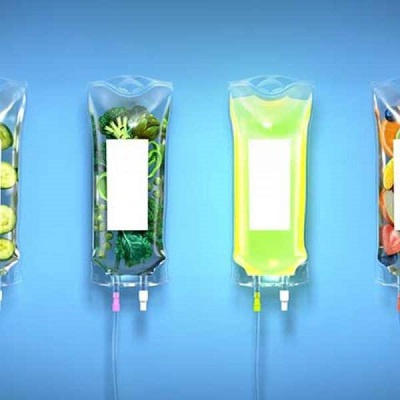
Intravenous nutrient therapy is one option that may be considered in specific circumstances. An IV Drip in Oman can deliver selected vitamins, minerals, and fluids directly into the bloodstream, bypassing the digestive system. This approach may be useful for individuals who have particular nutrient deficiencies, difficulty absorbing nutrients, or medically identified nutritional requirements. However, IV nutrient therapy is not suitable for everyone, and its effectiveness depends on the specific deficiency, the ingredients used, and the individual's health condition.
1. Understanding Nutrient Deficiencies and Their Effects on Health
Nutrient deficiencies occur when the body does not receive or absorb sufficient amounts of essential vitamins and minerals to maintain normal functions. These deficiencies can develop gradually and may remain unnoticed until symptoms begin affecting daily life.
The body requires different nutrients for specific purposes. For example, vitamin B12 supports nerve function and red blood cell production, vitamin D helps maintain bone health, and iron is necessary for producing haemoglobin, which carries oxygen throughout the body.
Several factors can contribute to nutritional deficiencies, including:
-
An unbalanced diet that lacks essential vitamins and minerals.
-
Digestive conditions that interfere with nutrient absorption.
-
Certain medications that affect nutrient levels.
-
Increased nutritional requirements during particular life stages.
-
Chronic illnesses that influence metabolism or nutrient absorption.
-
Restricted diets that exclude important food groups.
The symptoms depend on which nutrient is lacking and how severe the deficiency has become.
Common signs may include:
-
Persistent tiredness and low energy.
-
Hair thinning or increased hair shedding.
-
Muscle weakness or cramps.
-
Difficulty concentrating.
-
Pale skin.
-
Frequent infections.
-
Brittle nails.
-
Numbness or tingling in certain cases.
These symptoms do not automatically indicate a nutrient deficiency. They can also be associated with other medical conditions, which is why proper assessment and testing are important before beginning treatment.
2. How Can an IV Drip Help With Nutrient Deficiencies?
An IV drip is a method of delivering fluids and selected nutrients directly into a vein through a small catheter. Unlike oral supplements, which must pass through the digestive system before absorption, intravenous nutrients enter the bloodstream directly.
This delivery method can be helpful when a person has a medically established need for nutrient replacement and cannot adequately absorb or tolerate nutrients taken by mouth.
Depending on the formulation, IV nutrient therapy may contain selected vitamins, minerals, and other prescribed ingredients.
Some potential applications include:
Vitamin Replacement
Certain vitamins can be administered intravenously when there is a specific medical indication. For example, vitamin C may be included in some formulations, while other vitamin replacement treatments may be used for particular deficiencies under medical supervision.
Vitamin B12 Support
Vitamin B12 is essential for healthy nerve function and red blood cell production. Individuals with certain absorption disorders or significant B12 deficiencies may require injections or other medically appropriate replacement methods.
IV nutrient mixtures are not automatically the preferred treatment for B12 deficiency.
Mineral Replacement
Minerals such as magnesium may be administered intravenously in specific medical situations. Iron can also be delivered intravenously when certain forms of iron deficiency require it, although iron infusion is a specialised treatment rather than a routine wellness drip.
Support When Oral Absorption Is Limited
People with certain gastrointestinal conditions or absorption disorders may struggle to obtain adequate nutrients through their digestive systems. In these circumstances, healthcare professionals may consider intravenous or injectable replacement depending on the missing nutrient.
It is important to remember that IV therapy is not a universal solution for nutritional deficiencies. The correct treatment depends on identifying the nutrient that is lacking and understanding why the deficiency developed.
3. Which Nutrients Can Be Delivered Through IV Therapy?
Different nutrients have different functions, and not all can be administered through the same formulation or route. The selection depends on the individual's clinical needs and the safety of the treatment.
Some nutrients that may be included in medically appropriate intravenous treatments are:
Vitamin C
Vitamin C supports collagen production, wound healing, immune function, and the absorption of iron from plant-based foods.
When medically indicated, intravenous vitamin C may be used in selected clinical situations. However, routine IV vitamin C has not been established as a necessary treatment for generally healthy individuals.
Vitamin B Complex
B vitamins support energy metabolism, nervous system function, and the production of healthy blood cells.
Certain IV formulations contain selected B vitamins. Their use may be considered when oral intake or absorption is inadequate and a healthcare professional determines that replacement is appropriate.
Vitamin B12
Vitamin B12 helps maintain healthy nerves and supports DNA and red blood cell production.
A deficiency can cause fatigue, anaemia, and neurological symptoms. Depending on its cause and severity, treatment may involve oral supplements, injections, or other replacement approaches.
Magnesium
Magnesium is important for muscle contraction, nerve signalling, and numerous metabolic reactions.
Intravenous magnesium may be appropriate for specific medical conditions, including certain significant deficiencies. It requires careful administration, especially in people with impaired kidney function.
Other Essential Nutrients
Other minerals and vitamins may require specialised replacement depending on the identified deficiency. For example, intravenous iron may be recommended for certain individuals with iron deficiency when oral iron is unsuitable or ineffective.
Not every nutrient can be safely combined into a single IV drip. The ingredients, quantities, and administration rate must be selected according to medical requirements.
4. Who May Benefit From IV Nutrient Therapy?
IV nutrient therapy may be appropriate for selected individuals with specific nutritional needs. However, it is not automatically beneficial for everyone experiencing fatigue or general weakness.
Some situations in which intravenous nutrient replacement may be considered include:
People With Nutrient Absorption Problems
Certain gastrointestinal conditions can interfere with the absorption of vitamins and minerals. Individuals with these conditions may require alternative replacement methods when oral supplementation is insufficient.
Individuals With Confirmed Deficiencies
When laboratory testing identifies a significant deficiency, a healthcare professional can determine the most suitable treatment. Depending on the nutrient involved, intravenous replacement may be one option.
People Unable to Tolerate Oral Supplements
Some individuals experience digestive discomfort or other problems when taking particular oral supplements. Alternative treatment methods may be considered if the deficiency requires correction.
Individuals With Increased Nutritional Requirements
Certain health conditions or medical treatments may increase nutritional requirements. In these cases, healthcare professionals can assess whether additional nutrient replacement is necessary.
People Receiving Specific Medical Treatments
Some medical procedures and illnesses can affect nutrient levels. Specialised intravenous replacement may be recommended as part of a broader treatment plan.
However, healthy individuals who already receive sufficient nutrients through their diet generally do not need IV vitamin treatments simply to improve energy or prevent future deficiencies.
5. IV Nutrient Therapy vs. Oral Supplements: Which Is Better?
Both IV nutrient therapy and oral supplements can help address nutritional deficiencies, but their suitability depends on the specific nutrient and the underlying cause.
Oral Supplements
Oral supplements are commonly used to correct mild or moderate deficiencies when the digestive system can absorb the nutrients effectively.
They are generally convenient and suitable for long-term supplementation when recommended by a healthcare professional.
Their advantages include:
-
Easy administration at home.
-
Non-invasive treatment.
-
Convenient daily or weekly dosing.
-
Suitability for many common vitamin and mineral deficiencies.
-
Generally lower treatment complexity.
For example, many cases of iron deficiency and vitamin D deficiency can be managed with appropriate oral supplementation.
IV Nutrient Therapy
Intravenous nutrient replacement may be useful when oral treatment is ineffective, unsuitable, or insufficient for a particular medical condition.
Potential advantages include:
-
Direct delivery into the bloodstream.
-
Bypassing the digestive system.
-
Controlled administration of prescribed nutrients.
-
Use in specific cases involving impaired absorption.
-
An alternative for selected patients who cannot tolerate oral treatment.
However, IV treatment requires professional administration and monitoring. It may also involve risks such as infection, bruising, vein irritation, allergic reactions, and complications from excessive nutrient administration.
Which Option Is More Effective?
Neither approach is universally better. For many common nutritional deficiencies, oral supplements are effective and remain the preferred first-line option.
Intravenous replacement is generally reserved for specific medical indications. The best approach depends on the nutrient involved, the severity of the deficiency, the patient's medical history, and the ability to absorb oral nutrients.
6. What to Expect Before and During an IV Nutrient Treatment
Understanding the treatment process can help individuals make informed decisions about IV nutrient therapy.
Although procedures vary depending on the formulation and clinical setting, the process generally involves several stages.
Initial Health Assessment
Before treatment, a healthcare professional reviews the individual's symptoms, dietary habits, medical history, medications, and existing health conditions.
This helps determine whether IV nutrient therapy is appropriate.
Nutritional Testing
Blood tests may be recommended to identify specific deficiencies. Depending on the symptoms, these may include measurements of vitamin B12, iron status, vitamin D, magnesium, or other relevant indicators.
Testing is particularly important because symptoms such as tiredness and hair loss can have multiple causes.
Selecting the Appropriate Formulation
The treatment is selected according to the identified nutritional needs. Not every individual requires the same combination of vitamins and minerals.
The healthcare professional also considers possible interactions, allergies, kidney function, and other medical factors.
Administration of the IV Drip
A small catheter is inserted into a suitable vein, usually in the arm or hand. The prescribed solution is then administered at a controlled rate.
The duration depends on the formulation, dosage, and individual treatment requirements.
Monitoring and Aftercare
The individual may be monitored for discomfort, allergic reactions, or other adverse effects during treatment.
After the session, further testing may be recommended to determine whether the deficiency has improved. The underlying cause should also be addressed to prevent the deficiency from returning.
FAQs About IV Drips and Nutrient Deficiencies
1. Can an IV drip correct vitamin deficiencies?
Yes, certain IV treatments can help correct specific nutrient deficiencies when medically indicated. Intravenous replacement may be useful when oral supplementation is ineffective, unsuitable, or difficult to absorb. However, the treatment must be selected according to the particular deficiency and the individual's medical condition.
2. Which vitamin deficiencies can be treated through IV therapy?
Certain vitamin deficiencies may require intravenous or injectable replacement depending on the clinical situation. Vitamin C and selected B vitamins may be included in appropriate IV formulations. Vitamin B12 deficiencies are often treated with oral supplements or injections, while other nutrients may require specialised replacement methods.
3. Is an IV vitamin drip better than taking supplements?
Not necessarily. Oral supplements are effective for many common nutrient deficiencies and are generally preferred when the digestive system can absorb them properly. IV replacement is usually considered when there is a specific medical reason that makes oral treatment unsuitable or ineffective.
4. How long does it take to see results after IV nutrient therapy?
The time required to notice improvement varies according to the nutrient deficiency, its severity, and the individual's overall health. Some symptoms may improve gradually as nutrient levels recover, while certain deficiencies require ongoing treatment and follow-up testing.
5. Are IV nutrient drips safe for everyone?
No. IV nutrient therapy may not be appropriate for individuals with certain kidney conditions, heart problems, allergies, or other medical concerns. Excessive doses of certain vitamins and minerals can also cause adverse effects. A medical assessment is important before treatment.
6. Can IV nutrient therapy prevent future deficiencies?
IV nutrient therapy does not guarantee protection against future deficiencies. Maintaining a balanced diet, addressing absorption problems, and following appropriate supplementation recommendations are important for long-term nutritional health. Further treatment may be required if the underlying cause remains unresolved.
Final Thoughts
Nutrient deficiencies can affect energy levels, immunity, muscle function, concentration, and overall health. Although a balanced diet remains the foundation of good nutrition, some individuals may require additional treatment to restore essential vitamin and mineral levels.
IV nutrient therapy can provide an alternative method of nutrient replacement for selected individuals, particularly when oral supplementation is unsuitable or absorption is impaired. However, it should not be considered a universal solution for fatigue, poor nutrition, or general wellness.
For individuals considering an IV drip in Oman, the most important step is identifying whether a genuine nutrient deficiency exists. Appropriate blood testing and professional assessment can help determine which nutrients are needed and whether intravenous treatment is suitable.
Ultimately, the best nutritional approach combines a balanced diet, healthy lifestyle habits, appropriate supplementation, and medically guided treatment when necessary. Understanding the cause of a deficiency is just as important as correcting it, helping individuals maintain better long-term health.
Read More About IV Drip: https://u-ssr.com/read-blog/19301

