

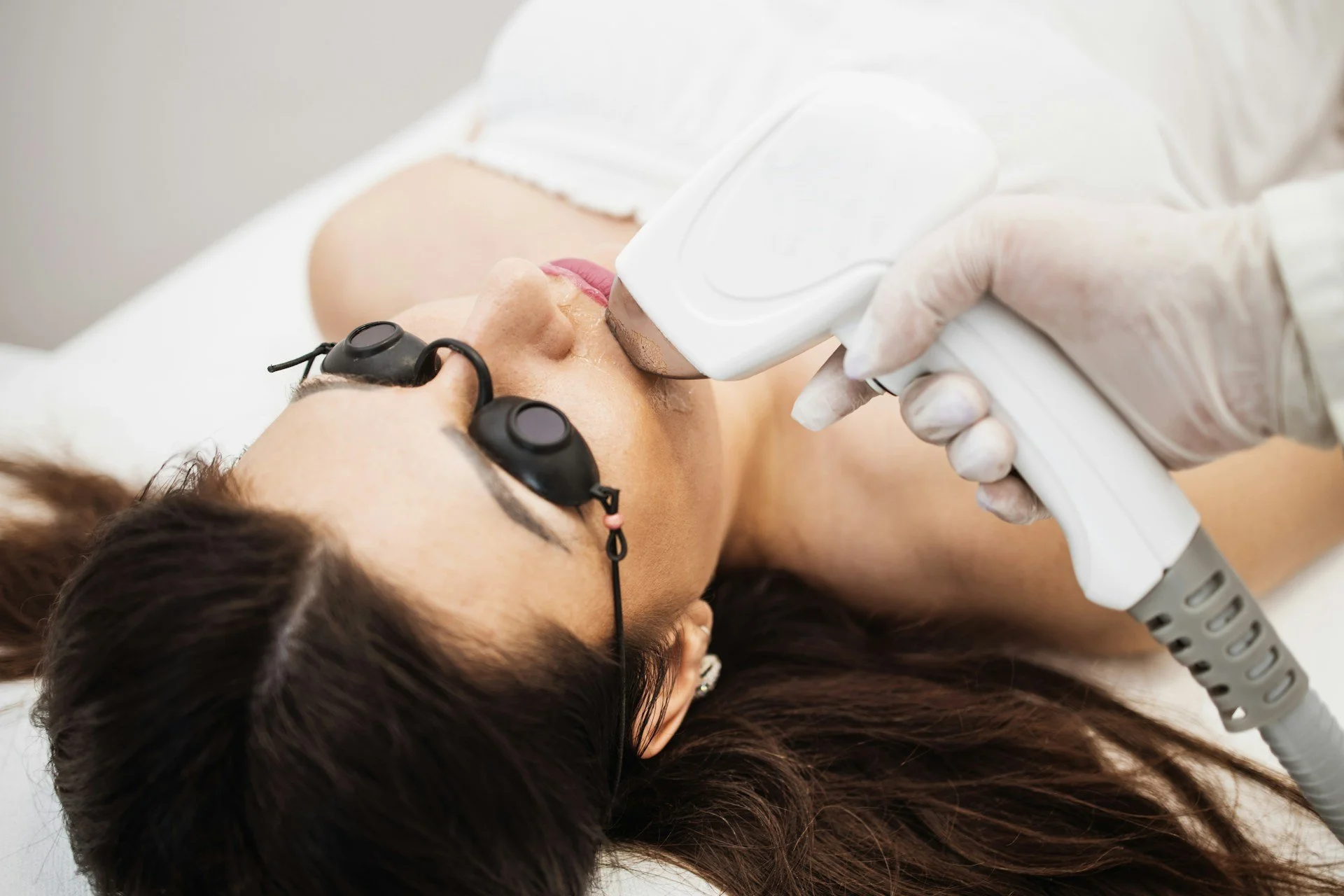

Laser-based procedures are widely used in modern aesthetic care to address concerns such as uneven skin tone, unwanted hair, pigmentation, scars, and changes in skin texture. For individuals exploring Laser Treatments in Dubai, understanding the procedure, skin requirements, and possible outcomes is important before making a decision. Dynamic Clinic in Dubai is one example of an aesthetic setting where people may explore different laser-based treatment options.
1. Identify the Skin or Body Concern
The first step is understanding the concern you want to address. Different laser procedures are designed for different purposes, so choosing an approach based only on popularity may not provide the desired outcome.
Common concerns addressed through laser-based procedures include:
-
Pigmentation: Dark spots, sun damage, and uneven skin tone.
-
Unwanted hair: Hair reduction on the face and body.
-
Acne scars: Certain types of scars and uneven skin texture.
-
Skin ageing: Fine lines and mild changes in skin firmness.
-
Vascular concerns: Selected visible blood vessels and redness.
Each concern requires a different approach, making an initial assessment important.
2. Understand Your Skin Type and Sensitivity
Skin type plays an important role in selecting an appropriate laser procedure. Skin tones respond differently to laser energy, particularly when treatments target melanin or pigmentation.
People with darker skin tones may have a higher risk of post-inflammatory hyperpigmentation if unsuitable settings are used. Sensitive skin may also require additional care before and after a procedure.
A professional assessment should consider:
-
Natural skin tone and pigmentation.
-
History of irritation or allergic reactions.
-
Existing skin conditions.
-
Previous reactions to aesthetic procedures.
-
Areas with scars or uneven pigmentation.
These details help determine whether a particular laser approach is appropriate.
3. Check the Technology Used
Not all laser systems work in the same way. Different technologies target specific structures within the skin, such as pigment, hair follicles, or blood vessels.
For example, some systems use concentrated light energy to target hair follicles, while others focus on pigmentation or stimulate collagen production.
Before proceeding, understand:
-
Which laser technology is being considered.
-
What skin concern it is designed to address.
-
Whether it is suitable for your skin type.
-
How the treatment area will be protected.
-
What limitations are associated with the procedure.
Knowing how the technology works can help you develop realistic expectations.
4. Review Your Medical and Skin History
Your medical background can influence how your skin responds to laser energy. Certain medications, active skin conditions, and recent cosmetic procedures may affect treatment suitability.
During an assessment, discuss any relevant information, including:
-
Current prescription and over-the-counter medications.
-
Recent sun exposure or tanning.
-
Active infections or skin irritation.
-
A history of cold sores in the treatment area.
-
Previous laser procedures.
-
Pregnancy or other relevant health circumstances.
Some medications can increase photosensitivity, which may raise the risk of unwanted skin reactions. Never stop prescribed medication without consulting the prescribing healthcare professional.
5. Know the Possible Side Effects
Although many laser procedures are performed without major complications, temporary skin reactions can occur. The type and severity depend on the technology, treatment area, skin characteristics, and settings used.
Possible side effects include:
-
Temporary redness and swelling.
-
Mild discomfort or a warm sensation.
-
Skin dryness or peeling.
-
Temporary changes in pigmentation.
-
Blistering or burns in some cases.
-
Scarring, particularly following complications.
Understanding these possibilities allows individuals to make informed decisions and recognise when medical advice may be necessary.
6. Prepare Your Skin Before the Procedure
Proper preparation can help reduce avoidable irritation and support a safer treatment experience. Pre-treatment instructions vary according to the laser technology and the area being treated.
Common preparation measures may include:
-
Avoiding tanning and excessive sun exposure.
-
Applying broad-spectrum sunscreen regularly.
-
Following instructions about exfoliating products.
-
Avoiding waxing or plucking before certain hair-removal procedures.
-
Keeping the treatment area clean.
-
Informing the practitioner about any recent skin changes.
Some procedures may require avoiding retinoids or other active skincare ingredients for a specified period. Follow individual instructions rather than applying the same preparation routine to every laser procedure.
7. Consider Recovery and Aftercare Requirements
Recovery varies depending on whether the procedure is non-ablative, ablative, or designed for hair reduction or pigmentation. Some treatments involve minimal downtime, while others may cause peeling, crusting, or temporary sensitivity.
Aftercare may involve:
-
Using gentle, fragrance-free skincare products.
-
Avoiding direct sunlight.
-
Applying recommended sunscreen.
-
Avoiding excessive heat, such as saunas, when advised.
-
Keeping the treated area clean.
-
Avoiding picking or scratching peeling skin.
Following the recommended aftercare routine is particularly important because treated skin may be more sensitive to environmental irritation.
8. Set Realistic Expectations About Results
Laser procedures do not produce identical outcomes for everyone. Results depend on the concern being treated, skin characteristics, technology, and individual healing response.
Some concerns may improve gradually over several sessions, while others may require maintenance treatments. For example, laser hair reduction usually requires multiple sessions because hair follicles respond differently during their growth cycles.
It is also important to understand that laser procedures may improve the appearance of certain concerns without completely removing them. A clear discussion about expected improvement, limitations, and follow-up requirements can help prevent unrealistic expectations.
Conclusion
Before choosing any laser-based procedure, consider your skin type, medical history, treatment goals, technology, possible side effects, and recovery requirements. An individual assessment helps determine whether a procedure is suitable and what results may realistically be expected. Careful preparation and consistent aftercare also play an important role in supporting skin health and reducing avoidable complications. Making an informed decision is essential for approaching aesthetic laser procedures safely and responsibly.

