

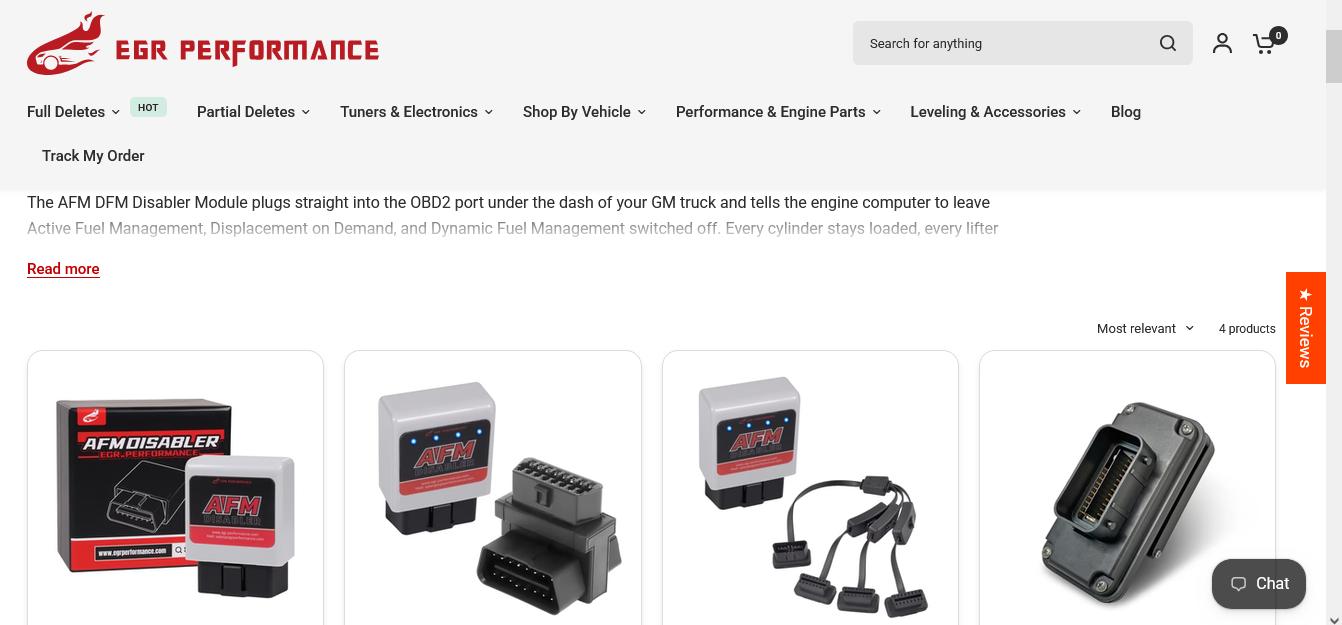
Active Fuel Management Disabler Device: Understanding Its Benefits and Features

Modern vehicles are equipped with advanced technologies designed to improve fuel efficiency and engine performance. One popular technology used in certain General Motors vehicles is Active Fuel Management (AFM). This system automatically deactivates selected cylinders when full engine power is unnecessary. Although it helps reduce fuel consumption, some drivers prefer keeping their engines in full-cylinder operation. An active fuel management disabler device is designed for drivers interested in controlling this feature.
Active Fuel Management works by switching between different cylinder operating modes depending on driving conditions. During light acceleration or highway cruising, the system can deactivate specific cylinders to reduce fuel consumption. When more power is needed, all cylinders become active again. While this technology offers efficiency advantages, some vehicle owners prefer a consistent V8 driving experience.
One major reason people consider an active fuel management disabler device is to prevent automatic cylinder deactivation. Depending on the model, the device communicates with the vehicle's electronic control system to maintain normal operation with all cylinders active. Some products connect through the diagnostic port, making installation relatively straightforward without major engine modifications.
Compatibility is an important consideration when choosing a disabler. Not every device works with every vehicle. Buyers should check their vehicle's manufacturer, model, engine type, and production year before purchasing. Reading product specifications and installation instructions can help avoid unnecessary compatibility problems.
Another factor to consider is fuel economy. Since the engine may operate using all cylinders more consistently, fuel consumption could increase compared with normal AFM operation. Actual results depend on driving habits, road conditions, engine condition, and vehicle configuration. Drivers should evaluate whether their preferred driving experience justifies this potential trade-off.
Product quality also matters. When researching an active fuel management disabler device, customers should compare available features, manufacturer information, warranty coverage, and customer feedback. Selecting a compatible product from a reputable supplier can help provide a more dependable experience.
It is also important to understand possible warranty, diagnostic, and regulatory implications. Modifying factory engine-management behavior may affect manufacturer warranty coverage or compliance requirements. Vehicle owners should review their owner's manual and applicable local regulations before installation.
Overall, an active fuel management disabler device can be an option for compatible vehicle owners who prefer consistent eight-cylinder operation. Understanding its functionality, compatibility requirements, and potential disadvantages is essential. Careful research helps drivers make informed decisions while balancing driving preferences, vehicle reliability, and long-term ownership costs.

