

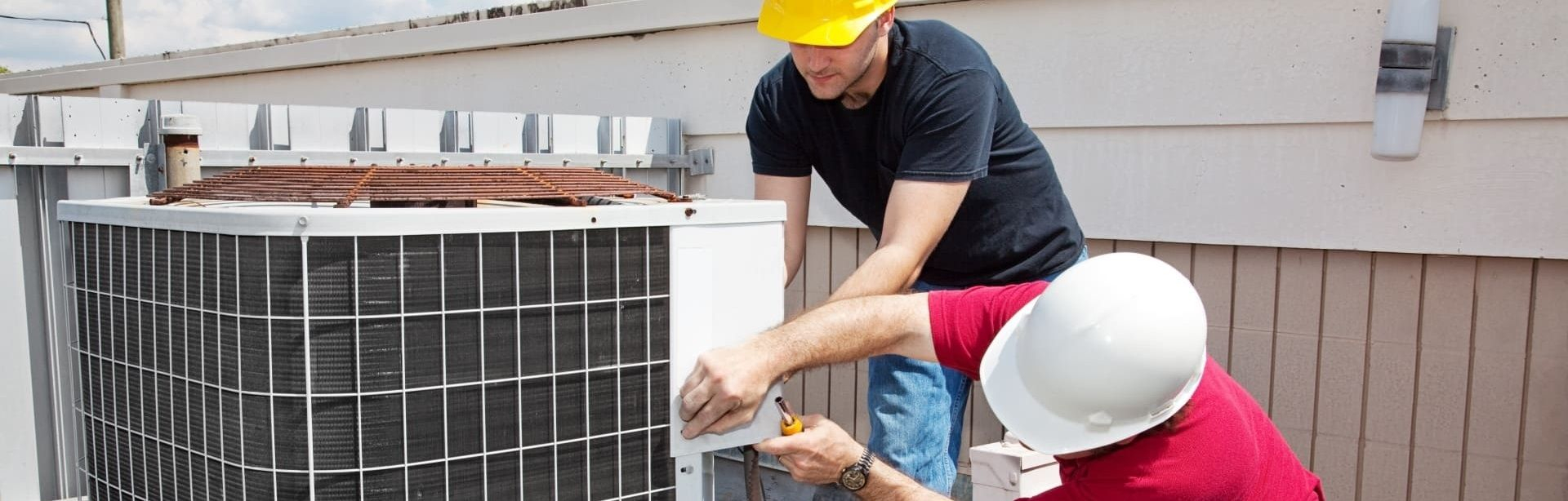

A comfortable home or workplace depends on a heating and cooling system that can handle changing temperatures throughout the year. During hot weather, air conditioning keeps indoor spaces cool, while heating equipment provides warmth during colder months. HVAC Services cover the installation, repair, maintenance, and replacement of heating, ventilation, and air conditioning systems. Understanding these services helps property owners maintain indoor comfort and avoid problems caused by neglected equipment.
Understanding Heating and Cooling Systems
HVAC systems are designed to control indoor temperature, airflow, and humidity. Common equipment includes air conditioners, furnaces, heat pumps, thermostats, ventilation fans, and ductwork. Each component plays a role in maintaining suitable indoor conditions. When one part stops working properly, the entire system may experience reduced performance. Regular inspections can help identify problems before they lead to major breakdowns.
Professional HVAC Installation
Installing a heating or cooling system requires careful planning. The equipment must match the property's size, layout, insulation, and heating or cooling requirements. Installation may involve positioning indoor and outdoor units, connecting electrical components, setting up drainage, and installing or adjusting ductwork. Proper equipment selection and installation help improve comfort and reduce unnecessary energy use.
Choosing the Correct System Size
System size is an important part of installation planning. A unit that is too small may struggle to maintain the desired temperature, while an oversized system may turn on and off too frequently. Factors such as room dimensions, ceiling height, insulation, windows, and air leakage should be considered. A proper assessment helps property owners choose equipment that suits their building.
Regular HVAC Maintenance
Heating and cooling equipment needs regular attention to operate properly. Dirty filters can restrict airflow, while dust around vents and outdoor units may affect performance. Maintenance tasks may include checking filters, inspecting electrical connections, cleaning suitable components, reviewing drainage, and testing system operation. Routine HVAC Services in Las Vegas can also help identify worn parts before they cause unexpected equipment failure.
Repairing Common Heating and Cooling Problems
HVAC systems may develop different problems as they age or experience frequent use. Weak airflow, unusual sounds, inconsistent temperatures, water leaks, and thermostat issues are common warning signs. Some problems may involve blocked filters or vents, while others require inspection of motors, electrical parts, refrigerant systems, or drainage lines. Finding the cause early can help prevent further damage.
Improving Indoor Air Quality
Indoor air can contain dust, pollen, pet hair, and other airborne particles. Poor ventilation and excess moisture may also affect indoor comfort. HVAC equipment helps circulate and filter air, while suitable ventilation systems remove stale air from occupied spaces. Property owners may consider appropriate air filters, ventilation improvements, and humidity control based on their building's needs.
Heating System Installation and Repair
Heating systems help maintain comfortable indoor temperatures during cold weather. Common options include furnaces, heat pumps, and other heating equipment. Over time, components may wear out or stop functioning correctly. Regular checks can identify ignition problems, thermostat issues, restricted airflow, or unusual equipment behavior. Timely HVAC Services help property owners address heating problems and maintain suitable indoor conditions.
Air Conditioning Performance and Maintenance
Air conditioners work by removing heat from indoor air and transferring it outside. Their performance can be affected by dirty filters, blocked outdoor units, drainage problems, and worn components. Keeping the surrounding area clear and following filter replacement recommendations can support proper airflow. If an air conditioner struggles to cool the property, a technical inspection may be needed to identify the problem.
Managing Energy Use and Utility Costs
Heating and cooling systems can use a significant amount of energy, especially when equipment operates for long periods. Poor insulation, air leaks, dirty filters, and incorrect thermostat settings can increase energy use. Sealing gaps, maintaining equipment, and using suitable temperature settings may help reduce unnecessary operation. Upgrading older equipment can also be worth considering when repair costs become frequent.
Replacing Outdated HVAC Equipment
An older heating or cooling system may become less effective over time. Frequent breakdowns, uneven temperatures, unusual noises, and increasing repair expenses may indicate that replacement is worth considering. Before selecting new equipment, property owners should compare system capacity, energy ratings, installation requirements, and maintenance needs. The right choice depends on the building and its expected heating and cooling demands.
Choosing the Right HVAC Service Provider
Selecting a suitable service provider is important for installation, maintenance, and repair work. Property owners should review relevant licenses, previous work, written estimates, and the services included in an agreement. Technical work involving electrical connections and refrigerants should be handled by qualified workers. Clear communication helps property owners understand the problem, available options, and expected costs.
A heating and cooling system needs proper care to provide consistent indoor comfort. Installation, maintenance, repairs, air filtration, and equipment replacement all play a part in keeping the system in good condition. Regular inspections can help detect problems early and support better equipment performance. With suitable HVAC Services, property owners can maintain comfortable indoor spaces and make informed decisions about their heating and cooling needs.

