

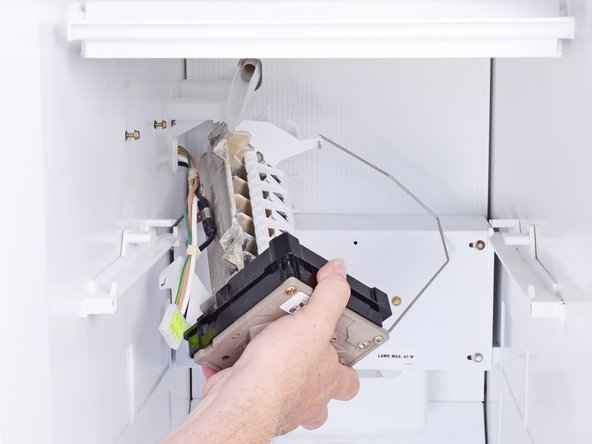

An ice maker is a useful appliance in homes, offices, restaurants, and other places where ice is needed regularly. It provides ice for cold drinks, food preparation, and everyday convenience without requiring manual ice trays. When the machine stops producing ice or begins making smaller cubes, it can interrupt normal routines. Ice Maker Repair helps identify the cause of these problems and restore the appliance's normal operation. Understanding how an ice maker works and recognizing common warning signs can help property owners take better care of their equipment and avoid unnecessary replacement costs.
Common Signs Your Ice Maker Needs Repair
An ice maker may show several signs when something is not working correctly. The machine might stop producing ice, make fewer cubes than usual, or produce ice that looks cloudy or unusually small. Some units may continue running without dropping finished ice into the storage bin. Water leaks, strange noises, and frozen components can also indicate a problem. These symptoms may be connected to the water supply, temperature settings, filters, or internal mechanical parts. Timely Ice Maker Repair can help locate the source of the issue before it affects other parts of the appliance.
Why an Ice Maker Stops Producing Ice
One of the most common problems is a machine that stops making ice completely. This can happen when the water supply is interrupted, the inlet valve becomes faulty, or the freezer temperature is too high. A blocked water line may also prevent enough water from reaching the ice-making unit. Some machines have control settings that can accidentally turn ice production off. Checking the power supply, water connection, and operating settings can help identify simple problems. If the machine still does not work, Ice Maker Repair in Cooper City may be needed to inspect the water system and internal components.
Water Supply and Inlet Valve Problems
An ice maker needs a steady water supply to produce ice properly. If the water line becomes bent, blocked, or damaged, the machine may receive too little water or none at all. The water inlet valve controls how much water enters the ice maker, and a faulty valve can affect the filling process. In some cases, mineral deposits may restrict water movement. A technician can inspect the connection, valve, and related parts to determine whether cleaning or replacement is necessary. Proper Ice Maker Repair helps restore water flow and supports consistent ice production.
Understanding Frozen or Jammed Components
Ice makers contain moving parts that help fill, freeze, and release ice cubes. Sometimes ice can become stuck inside the mold, dispenser, or storage area. A jam may prevent the machine from completing its normal production cycle. Excessive frost or incorrect freezer temperatures can also affect the operation of internal components. Homeowners should avoid using sharp objects to remove stuck ice because this may damage plastic parts, water lines, or electrical components. During Ice Maker Repair, the affected areas can be inspected carefully to identify the reason for the blockage and restore normal movement.
Poor Ice Quality and Unusual Taste
Ice should normally be clear or slightly cloudy, depending on the water and freezing process, and should not have an unpleasant smell or taste. If ice develops an unusual flavor, the problem may come from an old water filter, contaminated water supply, or food odors inside the freezer. A dirty ice storage bin can also affect the quality of stored cubes. Replacing the filter according to the manufacturer's schedule and cleaning the storage area can help improve ice quality. If the problem continues, Ice Maker Repair may include checking the water supply and inspecting the internal parts that handle water and ice.
Ice Maker Leaks and Drainage Problems
Water around an ice maker or refrigerator can indicate a damaged water line, loose connection, faulty inlet valve, or overflowing ice tray. Some units may also develop leaks when internal components become cracked or blocked. Even a small leak can cause damage to nearby cabinets, flooring, or other surfaces if it continues unnoticed. Homeowners should turn off the water supply when a leak is suspected and avoid operating damaged equipment. A proper inspection during Ice Maker Repair can help locate the leak and determine which connection or component needs attention.
The Importance of Regular Cleaning and Maintenance
Regular cleaning helps keep an ice maker in good condition and reduces the buildup of mineral deposits, dirt, and unwanted odors. The storage bin should be cleaned according to the manufacturer's instructions, and water filters should be replaced at the recommended intervals. Some ice makers also require periodic cleaning of the ice mold and water-contact surfaces. It is important to use approved cleaning products and follow the correct procedure for the specific model. Routine care may prevent certain performance problems and reduce the need for frequent Ice Maker Repair.
Choosing Between Repair and Replacement
When an ice maker develops a serious problem, homeowners may need to decide whether repairing the unit is worthwhile. The decision depends on the appliance's age, overall condition, repair cost, and availability of replacement parts. A clogged water line or faulty valve may be relatively simple to fix, while major damage to the control system or ice-making assembly may cost more. If the appliance has experienced repeated failures, replacement may be a better long-term choice. A technician can assess the equipment and explain whether Ice Maker Repair is a practical option based on its current condition.
Keeping Your Ice Maker Working Properly
A properly working ice maker provides convenience and helps maintain a steady supply of ice for everyday use. Paying attention to changes in ice production, water flow, cube size, and unusual noises can help identify problems early. Keeping the machine clean, replacing filters when needed, and following the manufacturer's operating instructions can also support better performance. When the appliance develops a leak, stops producing ice, or shows signs of internal damage, a proper inspection can prevent further issues. Timely Ice Maker Repair can restore normal operation and help extend the useful life of the equipment.

