

Understanding Aluminum Welding Techniques for Strong and Lasting Metal Joints

Aluminum is widely used in construction, transportation, manufacturing, marine equipment, and many other industries. Its lightweight structure, corrosion resistance, and ability to be shaped into different forms make it a useful material for many projects. However, joining aluminum requires specific techniques because it behaves differently from steel and other common metals. Aluminum Welding uses heat and specialized equipment to join aluminum pieces while maintaining the strength and shape of the material. Proper preparation, suitable filler materials, and careful heat control are important for achieving good results. Understanding the process can help businesses and property owners make better decisions when planning aluminum fabrication or repair work.
Why Aluminum Requires Special Welding Techniques
Aluminum has several properties that make welding more challenging than working with ordinary steel. It transfers heat quickly, which means the welding area can lose heat faster than expected. It also develops a thin oxide layer on its surface that has a much higher melting point than the aluminum underneath. If this layer is not properly cleaned, it can interfere with the welding process and create weak or contaminated joints. Aluminum Welding requires careful surface preparation and suitable equipment to manage these characteristics. Welders must understand how the material responds to heat and select a technique that matches its thickness, alloy, and intended use.
Preparing Aluminum Before Starting the Welding Process
Preparation is one of the most important parts of producing a strong aluminum joint. Dirt, oil, paint, moisture, and surface oxidation can affect weld quality. The metal should be cleaned using suitable methods and tools designed for aluminum. Stainless steel brushes used only for aluminum work and approved cleaning products can help remove surface contaminants. Pieces should also be measured, aligned, and secured before welding begins. Poor alignment can lead to uneven joints and additional finishing work. Proper Aluminum Welding in Stafford
begins with clean materials and a suitable joint design. Taking time to prepare the work area can reduce defects and improve consistency throughout the project.
Common Aluminum Welding Methods
Different welding methods are used depending on the type of aluminum, material thickness, and project requirements. Gas Tungsten Arc Welding, commonly known as TIG welding, provides good control and is often used for thin materials and detailed work. Gas Metal Arc Welding, or MIG welding, is commonly selected for larger projects and production work because it can provide faster welding speeds. Other specialized processes may be suitable for particular industrial applications. Each method requires compatible equipment, settings, and filler materials. Aluminum Welding professionals select a process based on the required joint strength, appearance, production speed, and working conditions. Using the right technique helps produce a joint that meets the project's specifications.
Understanding TIG Welding for Aluminum
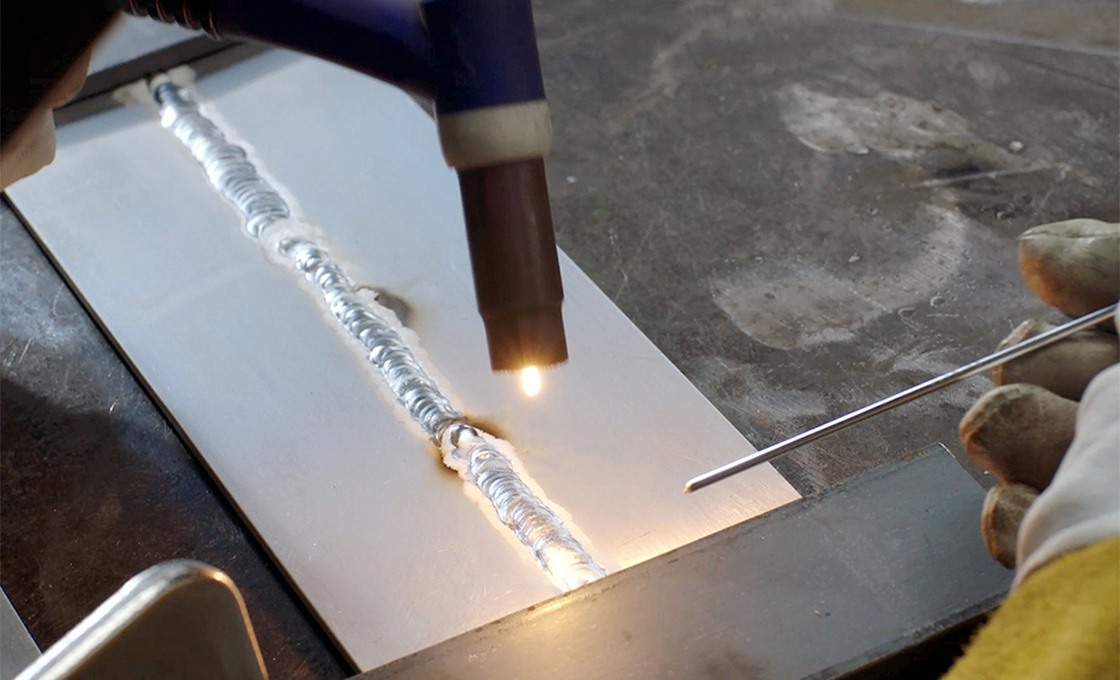
TIG welding is a popular method for joining aluminum because it allows the welder to control the heat and filler material separately. The process uses a non-consumable tungsten electrode and shielding gas to protect the weld area from contamination. It is often used for thinner sheets, custom components, aluminum frames, and projects where appearance matters. However, TIG welding requires skill and steady hand movement to maintain a consistent weld. The correct current, electrode preparation, filler rod, and shielding gas are important for good results. Aluminum Welding with the TIG method can produce clean and precise joints when the material is properly prepared and the equipment is set up correctly.
When MIG Welding Is a Suitable Choice
MIG welding is commonly used for aluminum components that require faster production or longer welds. It feeds filler wire automatically through a welding gun, allowing the operator to work more quickly than with many manual processes. Aluminum wire is softer than steel wire, so the feeding system must be suitable for the material. Specialized drive rolls, liners, and welding guns may be needed to prevent feeding problems. Shielding gas also protects the molten metal during the process. For suitable applications, Aluminum Welding through MIG equipment can help produce consistent joints across larger components. The correct wire type, machine settings, and technique are essential for avoiding porosity and other defects.
Choosing the Right Aluminum Alloy and Filler Material
Not all aluminum alloys respond to welding in the same way. Different grades have different strength levels, corrosion resistance, and welding characteristics. Some alloys are easier to weld, while others may be more sensitive to cracking or changes in mechanical properties caused by heat. Filler material must be selected based on the base metal, joint design, and service conditions. Using an incompatible filler can affect the strength and durability of the finished connection. Before beginning Aluminum Welding, the alloy should be identified whenever possible. This helps the welder choose suitable filler materials and welding procedures for the intended application rather than relying on appearance alone.
Common Problems That Affect Aluminum Weld Quality
Several defects can affect the strength and appearance of aluminum welds. Porosity occurs when gas becomes trapped inside the weld metal, creating small holes that may weaken the joint. Cracking can develop when the alloy, filler material, joint design, or heat conditions are unsuitable. Lack of fusion may occur when the metal does not properly join along the intended connection. Excessive heat can also distort thin sheets or damage surrounding areas. These problems can often be reduced through proper cleaning, correct settings, suitable filler selection, and controlled welding techniques. Good Aluminum Welding practices include inspecting completed joints and correcting defects before the finished component is put into service.
Safety Measures During Aluminum Welding
Welding involves intense light, heat, fumes, electrical equipment, and hot metal surfaces. Workers should use suitable welding helmets, protective gloves, flame-resistant clothing, and appropriate footwear. Proper ventilation is important because welding fumes can contain harmful substances, particularly when coatings or contaminants are present. The work area should be clear of flammable materials, and suitable fire protection should be available. Aluminum dust and fine particles from grinding also require careful handling because they can create additional hazards. Safe Aluminum Welding depends on using the correct protective equipment, maintaining welding machines, and following workplace safety procedures. Proper training is important for anyone performing this type of metalwork.
Applications of Aluminum Welding Across Different Industries
Aluminum welded components are used in many industries because the material combines low weight with useful strength and corrosion resistance. Transportation manufacturers use welded aluminum for vehicle bodies, trailers, frames, and certain structural components. Marine applications include boat structures, railings, and equipment exposed to moisture. Construction projects may require aluminum frames, supports, platforms, and custom architectural features. Manufacturing facilities also use welded aluminum for machine parts, enclosures, and specialized equipment. Aluminum Welding allows these industries to create components that match specific dimensions and performance requirements. The welding method and material selection should always reflect the conditions in which the finished product will be used.
Aluminum welding requires more than simply applying heat to two metal pieces. Material preparation, alloy identification, filler selection, equipment settings, and operator skill all influence the final result. Choosing a suitable welding method helps reduce defects and create joints that meet the needs of the project. Regular inspection and proper safety procedures are also important during every stage of the work. Whether aluminum is being used for construction, transportation, manufacturing, or custom fabrication, careful Aluminum Welding helps produce functional metal connections designed for their intended applications.

