


Introduction
Peru is a captivating South American destination known for its ancient history, breathtaking landscapes, traditional communities, and colourful cultural heritage. From the impressive ruins of Machu Picchu to the historic streets of Cusco and the beautiful Sacred Valley, the country offers countless opportunities for exploration. Along with sightseeing and adventure activities, shopping is another enjoyable way to experience Peru's local culture.
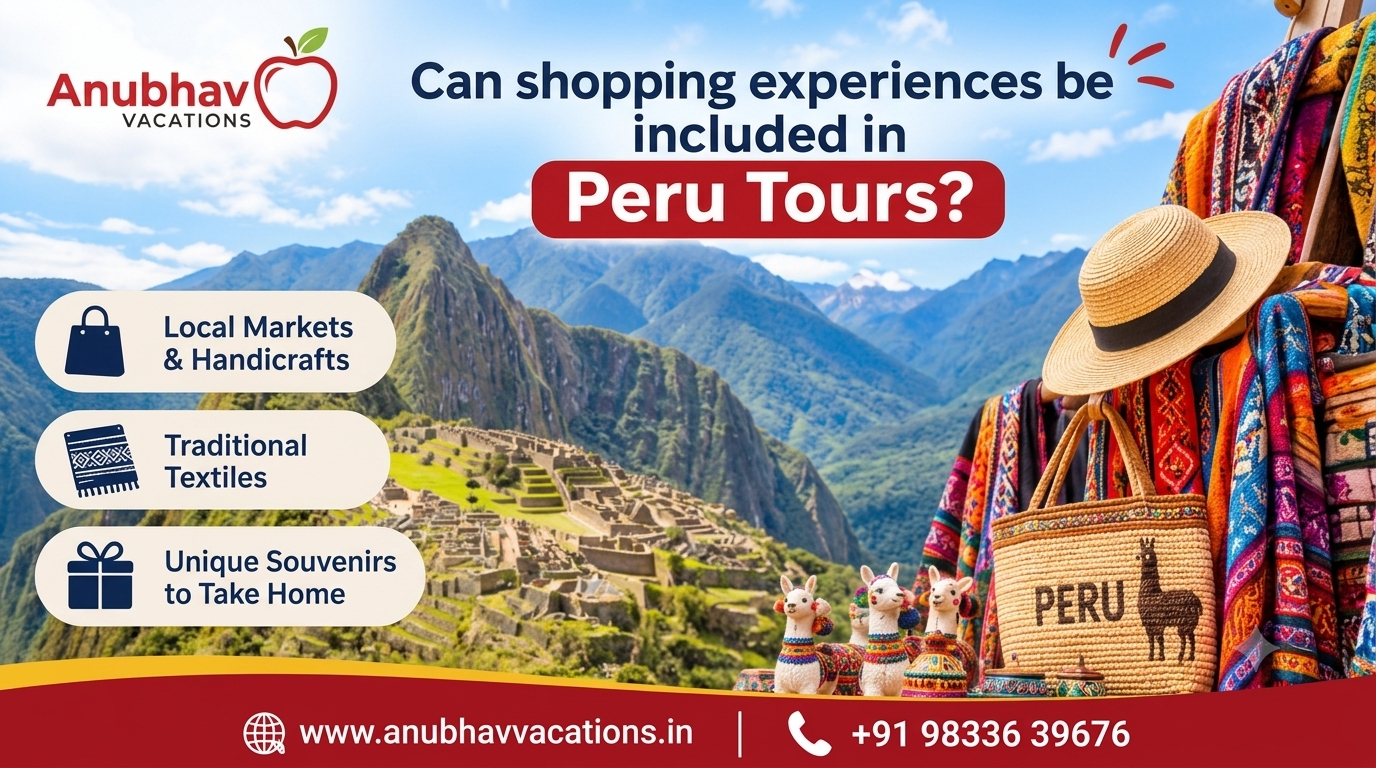
Yes, shopping experiences can be included in Peru Tours, depending on the itinerary, destinations, and available free time. Travellers can explore traditional markets, artisan workshops, handicraft stores, textile boutiques, and modern shopping centres. These places offer a variety of locally made products, including alpaca wool clothing, woven textiles, silver jewellery, pottery, paintings, and handmade souvenirs.
Shopping in Peru is more than simply purchasing gifts. It provides an opportunity to discover traditional craftsmanship, learn about regional materials, interact with local artisans, and understand the cultural significance of different products. Visitors can explore colourful markets in Cusco, discover handmade crafts in Pisac, and browse contemporary shopping areas in Lima.
Whether you are interested in traditional Andean textiles, unique decorations, or locally produced gifts, shopping can add another memorable dimension to your Peruvian holiday.
Why Should Shopping Be Part of a Peru Holiday?
Peru has a rich tradition of craftsmanship influenced by ancient civilisations and indigenous communities. Many traditional products reflect regional identities, cultural beliefs, and techniques that have been passed down through generations.
Shopping allows visitors to appreciate these traditions while discovering products that are different from those available at home. A handwoven scarf, a piece of silver jewellery, or a handmade ceramic item can become a meaningful reminder of the journey.
There are several reasons to include shopping in a holiday itinerary:
-
Discover traditional products created by local artisans.
-
Explore colourful markets and independent craft stores.
-
Learn about Peruvian weaving and pottery traditions.
-
Purchase distinctive gifts and souvenirs.
-
Support local businesses and artisan communities.
-
Experience everyday life beyond major tourist attractions.
Shopping can also provide a relaxing break between sightseeing activities. Instead of spending every day visiting historical monuments, travellers can enjoy local markets and discover the creative side of Peruvian culture.
What Are the Best Things to Buy in Peru?
Peru offers a wide range of products that reflect its cultural and artistic heritage. The availability of particular items varies between regions, but visitors can find several interesting options throughout the country.
1. Alpaca Wool Clothing and Accessories
Alpaca wool is among Peru's most recognised products. It is valued for its softness, warmth, and lightweight qualities. Travellers can find sweaters, scarves, shawls, gloves, hats, blankets, and other accessories made using alpaca fibre.
Cusco and Arequipa are popular destinations for shopping for alpaca products. Lima also has boutiques and stores offering a variety of clothing and accessories.
Before purchasing, visitors should check the product label and ask about its fibre composition. Some products are made entirely from alpaca fibre, while others contain blends of wool or synthetic materials.
Alpaca clothing is particularly attractive to visitors who want a practical souvenir that can also be used during colder weather.
2. Traditional Andean Textiles
Traditional textiles are an important part of Peru's cultural identity. Many Andean communities continue to practise weaving techniques that have been used for generations.
Visitors can discover colourful fabrics featuring geometric patterns, symbolic designs, and natural colours. Popular products include:
-
Handwoven scarves and shawls.
-
Decorative blankets.
-
Table runners and cushion covers.
-
Woven bags and purses.
-
Wall hangings and textile decorations.
-
Traditional clothing accessories.
Some artisan communities offer demonstrations that explain how fibres are prepared, spun, dyed, and woven. These experiences allow visitors to understand the skill involved in creating handmade products.
3. Silver Jewellery
Peru has a long history of metalworking, and silver jewellery remains a popular shopping choice. Visitors can explore stores offering earrings, bracelets, necklaces, rings, and decorative pieces.
Some designs are inspired by Andean patterns and traditional symbols, while others feature contemporary styles.
Cusco and Lima have several jewellery stores where visitors can explore different designs. When purchasing valuable items, travellers should ask about the metal content, workmanship, and available product documentation.
4. Handmade Pottery and Ceramics
Pottery is another interesting category for visitors who enjoy traditional crafts. Peruvian ceramics include decorative bowls, plates, vases, sculptures, and colourful ornaments.
Some designs are influenced by ancient cultures, while others represent modern interpretations of traditional artwork. The products can differ considerably between regions and artisan communities.
Ceramic souvenirs are attractive gifts, but travellers should consider their luggage requirements. Fragile items need appropriate packaging to avoid damage during transportation.
5. Paintings and Local Artwork
Peruvian artwork often represents mountain villages, traditional festivals, historic architecture, local landscapes, and everyday life.
Visitors can explore small galleries, market stalls, and independent art shops offering paintings, prints, illustrations, and decorative pieces.
Art lovers may enjoy discovering different regional styles and learning about the inspiration behind particular designs. Smaller prints and decorative artworks can also be convenient souvenirs to carry home.
6. Handmade Bags and Leather Products
Markets and craft shops may offer woven bags, purses, leather accessories, wallets, and other practical products.
Many woven bags feature colourful patterns inspired by Andean traditions. Visitors can find different sizes and designs, making them suitable for personal use or gifts.
As with other handmade items, quality and materials can vary. Checking the stitching, finish, and product composition before buying is advisable.
7. Traditional Musical Instruments
Peru has a rich musical heritage, particularly in the Andean region. Visitors may find traditional instruments such as panpipes and small percussion instruments in selected markets and souvenir stores.
These products can be interesting keepsakes for travellers who enjoy music and cultural traditions.
Best Places to Enjoy Shopping in Peru
Different Peruvian destinations offer different shopping environments. Some are known for traditional markets and handicrafts, while others offer modern retail centres and independent boutiques.
1. Cusco: Traditional Markets and Artisan Shops
Cusco is one of the most interesting destinations for visitors who want to explore traditional Peruvian crafts. The city is famous for its Inca heritage, colonial architecture, and cultural attractions.
The San Pedro Market is a well-known place to discover local produce, food stalls, textiles, and everyday market activities. Visitors can explore different sections and experience the atmosphere of a traditional Peruvian market.
The historic centre also features numerous shops selling alpaca products, jewellery, pottery, woven accessories, and souvenirs.
Shopping can easily be combined with visits to attractions such as Plaza de Armas, Qorikancha, and the city's historic streets. This makes Cusco a convenient destination for travellers who want to combine cultural sightseeing with local shopping.
2. Pisac: A Colourful Traditional Market
Pisac, located in the Sacred Valley, is particularly popular for its traditional market. Visitors can explore stalls selling woven textiles, handmade jewellery, pottery, clothing, and decorative items.
The market provides an opportunity to discover products created by local artisans and experience the region's traditional trading culture.
Pisac is also known for its archaeological complex, which features agricultural terraces and impressive stone structures. Travellers can combine a visit to the archaeological site with time at the market.
This creates a balanced experience that includes both historical exploration and shopping.
3. Lima: Modern Shopping and Local Boutiques
Lima offers a different shopping atmosphere compared with the traditional markets of the Andes. The capital has modern shopping centres, independent boutiques, artisan stores, and local markets.
Miraflores is one of the popular neighbourhoods for visitors interested in shopping, dining, and exploring the city's coastal atmosphere.
Larcomar is a well-known shopping and entertainment complex overlooking the Pacific Ocean. Visitors can explore retail stores, restaurants, and cafés while enjoying the surrounding views.
Lima is also a suitable place to find contemporary Peruvian fashion, jewellery, artwork, and locally produced gifts.
4. Arequipa: Regional Crafts and Local Products
Arequipa is known for its colonial architecture, historic centre, and surrounding volcanic landscapes. The city also offers opportunities to discover regional handicrafts and locally made products.
Visitors can explore shops around the historic district selling textiles, leather products, jewellery, and souvenirs.
The city's cultural attractions and local food experiences can be combined with shopping during a relaxed walking tour.
5. The Sacred Valley: Artisan Communities and Workshops
The Sacred Valley is not only famous for its archaeological sites and beautiful scenery but also for its traditional artisan communities.
Some villages and workshops offer opportunities to observe weaving and other craft techniques. Visitors may learn how natural fibres are prepared, how colours are produced, and how traditional patterns are incorporated into finished textiles.
These experiences can provide a deeper understanding of the products being purchased. Instead of simply browsing a shop, travellers can discover the people and techniques behind local craftsmanship.
Can Shopping Be Combined with Historical Sightseeing?
Yes. Shopping can be included alongside Peru's major historical attractions without taking too much time away from sightseeing.
A well-planned itinerary can connect markets and artisan shops with nearby cultural destinations.
For example, visitors exploring Cusco can spend time at the historic centre before browsing traditional handicraft stores. A Sacred Valley excursion can include a stop at Pisac Market, while a visit to Lima can combine historic sightseeing with modern shopping areas.
This approach helps travellers experience different aspects of the country without needing to dedicate an entire day exclusively to shopping.
Some useful combinations include:
Cusco: Explore the historic centre, Qorikancha, and nearby craft shops.
Pisac: Discover the archaeological complex and traditional market.
Ollantaytambo: Visit the historic settlement and explore selected local stores.
Lima: Combine city sightseeing with shopping in Miraflores.
Arequipa: Explore colonial architecture and regional handicraft shops.
The exact stops depend on the route, available time, and selected activities.
Can Travellers Visit Artisan Workshops?
Artisan workshops are an excellent option for visitors who want to understand Peruvian craftsmanship beyond ordinary shopping.
These visits can offer insight into the techniques, materials, and cultural traditions behind handmade products.
Traditional Weaving Demonstrations
Some Andean communities continue to practise traditional weaving using hand-operated looms and locally sourced fibres.
During a demonstration, visitors may learn how wool is prepared, spun, dyed, and woven into finished products. Artisans may also explain the meaning of particular patterns and how designs are connected to regional traditions.
Natural Dyeing Techniques
Natural dyes have traditionally been produced using plants, minerals, and other natural materials.
Some workshops demonstrate how colours are prepared and applied to fibres. Visitors can discover how different shades are achieved and how traditional dyeing techniques contribute to the appearance of finished textiles.
Pottery and Decorative Craft Production
Selected workshops focus on pottery and ceramics. Travellers may observe how materials are shaped, decorated, and finished.
These visits can make shopping more educational because visitors gain a better understanding of the time and skill required to create handmade products.
Workshop availability can vary, and some locations require advance arrangements. Travellers should confirm whether a demonstration is included in their itinerary.
How Much Time Should Be Reserved for Shopping?
The amount of time required depends on individual interests and shopping preferences.
Visitors who only want a few souvenirs may need a short stop at a market or shop. Travellers interested in textiles, jewellery, artwork, and artisan demonstrations may prefer longer visits.
A practical itinerary can include shopping opportunities at different destinations rather than reserving a full day for retail activities.
For example:
-
Cusco: Spend one to two hours exploring selected markets and craft stores.
-
Pisac: Include time to browse the traditional market during a Sacred Valley excursion.
-
Lima: Explore shopping centres or independent boutiques during free time.
-
Arequipa: Discover regional products while exploring the historic centre.
These are suggested planning ideas, not fixed durations. The time required will depend on the number of shops visited and the pace of the group.
It is also important to leave enough time for meals, transfers, and major sightseeing activities.
Shopping Tips for Visitors Exploring Peru
Shopping can be more enjoyable when travellers understand local market practices and prepare for different purchasing situations.
Compare Prices
Prices can vary between shops, particularly for textiles, jewellery, and souvenirs. Exploring a few stores before making a purchase can help visitors understand the available options.
Ask About Product Materials
When buying alpaca products, textiles, or silver jewellery, ask about the materials used. Check labels and available product information rather than relying only on verbal descriptions.
Carry Local Currency
Small market vendors may prefer payment in Peruvian soles. Larger stores and shopping centres may accept international cards, but carrying some local currency can be useful for smaller purchases.
Bargain Politely Where Appropriate
Negotiation may be common in some markets, but it should always be respectful. Handmade items require time, skill, and effort, so travellers should consider the work involved when discussing prices.
Keep Receipts for Valuable Purchases
For jewellery, artwork, and higher-value products, keep receipts and any available documentation. This can be useful if questions arise during travel or customs checks.
Check Luggage Allowances
Textiles and small souvenirs are generally easy to carry, while larger pottery items and decorative objects may require additional packing arrangements.
Check airline baggage allowances before purchasing bulky products.
Respect Cultural and Export Regulations
Avoid purchasing objects that appear to be genuine archaeological artefacts or products made from protected wildlife materials. Certain cultural, historical, and natural items may be subject to restrictions on export.
When in doubt, check the relevant regulations before buying or attempting to take an item out of the country.
Are Shopping Experiences Suitable for Families and Senior Travellers?
Shopping can be an enjoyable activity for families and senior travellers because it offers a relaxed way to experience local culture.
Families may enjoy exploring colourful markets, discovering handmade toys, choosing small souvenirs, and learning about traditional crafts. Children can observe how artisans create textiles and decorative objects.
Senior travellers may prefer shopping visits located near major sightseeing attractions, particularly when they involve less walking. However, markets can be crowded, and some areas have uneven surfaces.
For a comfortable experience, it is useful to consider the following:
-
Choose shopping stops with convenient access.
-
Allow sufficient time for browsing.
-
Take breaks between walking activities.
-
Avoid carrying heavy shopping bags during long excursions.
-
Check whether shops and workshops have suitable accessibility arrangements.
-
Consider altitude and physical comfort in destinations such as Cusco.
A balanced schedule can make shopping enjoyable without creating unnecessary physical demands.
How Can Shopping Be Included in a Multi-Day Peru Itinerary?
A holiday that combines historical sightseeing, natural attractions, and shopping can provide a more complete experience of Peru.
Here is an illustrative eight-day itinerary showing how shopping can fit into a wider travel programme.
Day 1: Arrival in Lima
Arrive in Lima, transfer to the hotel, and enjoy time to relax after the international journey.
Day 2: Lima City Exploration
Explore selected historic attractions and neighbourhoods. Depending on the schedule, visit a shopping area in Miraflores or browse local artisan stores.
Day 3: Travel to Cusco
Fly to Cusco and allow time to adjust to the altitude. Enjoy a relaxed introduction to the historic centre if conditions permit.
Day 4: Cusco Sightseeing and Shopping
Explore important cultural attractions, including selected historic sites. Later, browse traditional markets and shops selling textiles, jewellery, and handmade souvenirs.
Day 5: Sacred Valley Excursion
Discover the beautiful landscapes and archaeological heritage of the Sacred Valley. Include a visit to Pisac Market or an artisan workshop, depending on the schedule.
Day 6: Machu Picchu Visit
Travel to Machu Picchu according to the confirmed train and entry arrangements. Explore the historic citadel and return to the designated overnight destination.
Day 7: Return to Cusco
Enjoy a relaxed day in Cusco. Travellers can use available free time for additional shopping, local food experiences, or independent exploration.
Day 8: Departure
Transfer to the airport for the return journey or onward travel.
This itinerary is only an example. Actual arrangements may vary according to flight schedules, train availability, hotel locations, entry tickets, and the selected travel programme.
What Is the Best Time of Year for Shopping in Peru?
Shopping can be enjoyed throughout the year because markets, craft shops, and shopping centres operate in different regions regardless of the main sightseeing season.
However, the overall travel experience may vary depending on the weather.
May to September
These months generally form the drier season in the Andean region. They are popular for exploring Cusco, the Sacred Valley, and Machu Picchu.
Visitors can combine outdoor sightseeing with market visits, although popular destinations may be busier.
April and October
These shoulder months can offer a balance between changing weather conditions and visitor numbers. They may be suitable for travellers who prefer a slightly quieter atmosphere at some attractions.
November to March
This period generally brings more rainfall to the Andes. The countryside can look particularly green, but outdoor sightseeing may require more flexibility.
Shopping in covered markets and indoor stores can provide a pleasant activity when weather conditions affect outdoor plans.
Travellers should choose their dates based on the overall holiday experience they want, rather than shopping opportunities alone.
How Does Organised Travel Make Shopping Easier?
Planning shopping stops independently can take time, especially when visiting several destinations across Peru. An organised itinerary can help travellers combine markets, cultural attractions, and transfers more conveniently.
Planned shopping opportunities: Selected markets and craft stores can be included around sightseeing activities.
Coordinated transportation: Transfers can help travellers reach shopping areas without independently arranging local transport.
Local guidance: A knowledgeable guide can provide information about regional crafts and help visitors understand the cultural background of products.
Balanced schedules: Shopping can be planned alongside historical visits and other activities, reducing the risk of an overly crowded itinerary.
Shared experiences: Travelling with a group allows participants to exchange recommendations and enjoy discovering local markets together.
Before confirming arrangements, travellers should check whether shopping visits are scheduled stops or simply free-time opportunities. They should also confirm whether artisan demonstrations, local guides, and transportation are included.
Conclusion
Shopping is a valuable addition to a holiday in Peru because it allows travellers to discover the country's craftsmanship, cultural traditions, and local products. From alpaca wool clothing and colourful Andean textiles to silver jewellery, handmade pottery, and traditional artwork, visitors can find a wide range of distinctive souvenirs.
Destinations such as Cusco, Pisac, Lima, Arequipa, and the Sacred Valley offer different shopping experiences. Travellers can explore traditional markets, browse modern shopping centres, visit independent boutiques, and learn about handmade products through artisan workshops.
Peru Tour Package can combine these experiences with visits to famous historical attractions, natural landscapes, and traditional communities. With suitable planning, shopping can become a memorable part of the journey without taking time away from major sightseeing activities.
Whether you want to purchase meaningful gifts, discover local art, or understand traditional weaving techniques, Peru offers plenty of opportunities to connect with its cultural heritage. A balanced itinerary can help visitors enjoy both the country's famous attractions and the everyday experiences that make the destination special.
FAQ Questions
1. Can Peru Tour Package From India include local shopping experiences?
Yes, a Peru Tour Package From India can include shopping opportunities in destinations such as Cusco, Pisac, Lima, Arequipa, and the Sacred Valley. Travellers can explore traditional markets, artisan workshops, textile stores, and boutiques offering locally made products.
2. What are the most popular souvenirs to buy in Peru?
Popular souvenirs include alpaca wool scarves, traditional textiles, silver jewellery, handmade pottery, woven bags, paintings, and decorative crafts. Travellers should check product materials and authenticity before purchasing.
3. Which destinations in Peru are best for traditional handicraft shopping?
Cusco, Pisac, and the Sacred Valley are particularly interesting for traditional handicrafts. Visitors can discover woven textiles, handmade jewellery, pottery, and products created by local artisan communities.
4. Can visitors explore artisan workshops during a holiday in Peru?
Yes, selected itineraries may include artisan workshops where visitors can observe traditional weaving, natural dyeing, pottery, and other craft techniques. Workshop availability should be confirmed before booking.
5. How much time should travellers reserve for shopping in Peru?
A few hours may be enough for basic souvenir shopping, while visitors interested in traditional markets and artisan workshops may prefer additional time. Shopping can be arranged around sightseeing and other planned activities.
Read Our Previous Blog --------------->What are the must-see attractions covered in Peru Group Tours?

