

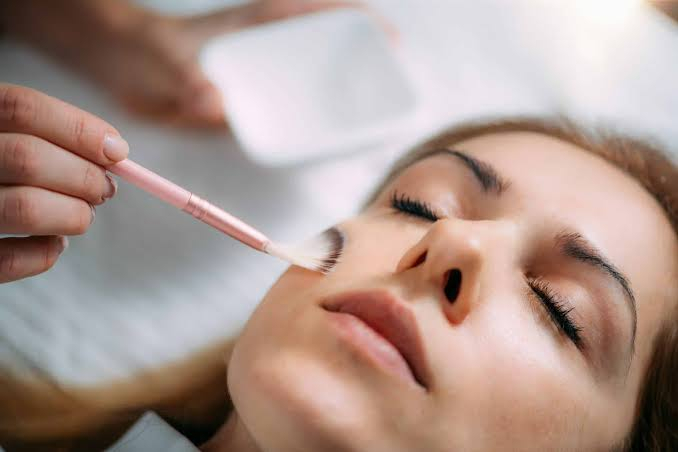

Chemical peels can help fade certain types of dark spots on the face by exfoliating the outer layers of the skin and encouraging the growth of fresher skin cells. They may improve the appearance of sun spots, post-acne marks, and some forms of uneven pigmentation. At Dynamic Life Clinic, selecting the right treatment involves understanding the cause of discoloration, skin type, and sensitivity. A suitable Chemical Peel In Dubai may help create a more even-looking complexion when performed with an appropriate formulation and professional guidance.
How Chemical Peels Help Reduce Dark Spots
Chemical peels use ingredients such as glycolic acid, lactic acid, salicylic acid, or other exfoliating agents to remove accumulated dead skin cells. Some formulations also help improve the appearance of superficial pigmentation by encouraging skin renewal. As the treated surface heals, dark marks may gradually become less noticeable. The depth and strength of the peel influence how much pigmentation it can address. However, deeper or persistent discoloration may need a different treatment plan rather than exfoliation alone.
Types of Dark Spots That May Respond to Chemical Peels
Not all facial pigmentation develops for the same reason, so the expected response to a chemical peel varies. Selected superficial marks may improve, while deeper or hormonally influenced pigmentation can be more difficult to manage.
-
Sun spots: These flat brown marks develop after prolonged ultraviolet exposure and may respond to selected superficial or medium-depth treatments.
-
Post-acne marks: Flat brown or dark marks left after acne inflammation may gradually fade with appropriate exfoliation.
-
Uneven skin tone: Surface discoloration and dullness may improve as dead skin cells are removed.
-
Some forms of melasma: Carefully selected peels may help as part of a broader treatment plan, although melasma can be persistent and may worsen with irritation or inflammation.
-
Post-inflammatory hyperpigmentation: Dark marks following skin irritation or injury may improve, depending on their depth and the individual's skin response.
A professional assessment is important because treating the wrong type of pigmentation can lead to irritation or make discoloration more noticeable.
Chemical Peel Ingredients Used for Facial Pigmentation
Different peeling agents work in different ways, and the choice depends on the skin concern and treatment depth. Glycolic acid helps exfoliate the surface, while lactic acid offers a milder exfoliating option for some individuals. Salicylic acid is often selected for oily or acne-prone skin because it can penetrate oil-filled pores. Other ingredients may be considered for particular pigmentation concerns. The clinician should evaluate sensitivity, previous reactions, active skin conditions, and the risk of post-inflammatory pigmentation before selecting a formulation.
Benefits of Chemical Peels for Uneven Skin Tone
When appropriately selected, chemical peels may improve several visible aspects of the complexion. Their benefits are not limited to dark spots, as exfoliation can also improve surface texture and dullness.
-
Brighter appearance: Removing accumulated surface cells can help the complexion look fresher.
-
More even tone: Selected superficial pigmentation may become less noticeable over a series of treatments.
-
Smoother texture: Exfoliation can reduce roughness and improve the feel of the skin.
-
Improved acne marks: Certain peels may help fade flat discoloration left after breakouts.
-
Refined-looking pores: Some formulations can help clear surface buildup and reduce the appearance of congestion.
Results vary, and chemical peels do not permanently prevent new pigmentation from developing.
Importance of Choosing the Right Peel for Your Skin Type
Skin type and pigmentation history play an important role in treatment selection. People with sensitive skin may need a gentler formulation, while acne-prone skin may benefit from ingredients chosen to address clogged pores. Individuals with darker skin tones can have a higher risk of post-inflammatory hyperpigmentation after irritation, so peel strength and preparation require particular care. A clinician should also review any history of melasma, recent tanning, active infections, cold sores, or previous reactions to skincare products before treatment.
Recovery and Skin Care After a Chemical Peel
After a chemical peel, the skin may experience temporary redness, dryness, tightness, sensitivity, or flaking. The recovery period depends on the peel's depth and the individual's skin response. Gentle cleansing, moisturising, and avoiding harsh exfoliating products can help protect the skin while it heals. Daily broad-spectrum sunscreen is especially important because ultraviolet exposure can worsen pigmentation and interfere with results. Patients should avoid picking or peeling flaky skin and follow the clinician's instructions about when to restart active skincare ingredients.
Factors That Affect the Results
The improvement in dark spots depends on several factors, including the cause of pigmentation, its depth, the selected peel, and how consistently the skin is protected after treatment.
-
Pigmentation depth: Surface marks may respond more readily than deeper discoloration.
-
Underlying cause: Hormonal pigmentation and recurring inflammation may need additional management.
-
Treatment strength: A stronger peel is not automatically better and may increase the risk of irritation.
-
Skin response: Healing and pigment changes vary between individuals.
-
Sun exposure: Without regular sun protection, existing marks may darken or new spots may develop.
-
Treatment consistency: Some concerns require multiple professionally planned sessions rather than one treatment.
A realistic treatment plan focuses on gradual improvement while maintaining the health of the skin barrier.
Frequently Asked Questions About Chemical Peels for Dark Spots
Chemical peels can help improve selected forms of facial pigmentation, but the outcome depends on the type of dark spot and the individual's skin. These answers cover common concerns before treatment.
Can a chemical peel completely remove dark spots?
A chemical peel may fade certain superficial dark spots, but complete removal cannot be guaranteed. Some pigmentation may persist or return, particularly when it is linked to hormones, inflammation, or sun exposure.
How many chemical peel sessions are needed for pigmentation?
The number of sessions depends on the pigmentation type, peel strength, and skin response. Some people notice improvement after one treatment, while others need a series of carefully spaced sessions.
Can chemical peels make dark spots worse?
Yes. Irritation or inflammation after an unsuitable or overly aggressive peel can trigger post-inflammatory hyperpigmentation. Proper skin assessment, treatment selection, and aftercare help reduce this risk.
Are chemical peels suitable for melasma?
Some carefully selected peels may help improve melasma as part of a wider treatment plan. However, melasma can be difficult to manage and may worsen with irritation or sun exposure, so professional supervision is essential.
Can I use skincare products after a chemical peel?
Some gentle products may be suitable during recovery, but retinoids, exfoliating acids, and other active ingredients may need to be paused temporarily. Follow the clinician's instructions before restarting them.
Conclusion
Chemical peels can help fade certain dark spots on the face by removing superficial damaged skin cells and supporting skin renewal. They may improve sun-related marks, post-acne discoloration, and selected forms of uneven pigmentation. However, deeper pigmentation and melasma often require a more comprehensive approach. Choosing the correct peel, following professional aftercare, and protecting the skin from sunlight are essential for safer results. A proper skin assessment helps determine whether a chemical peel is suitable and what level of improvement can realistically be expected.

