

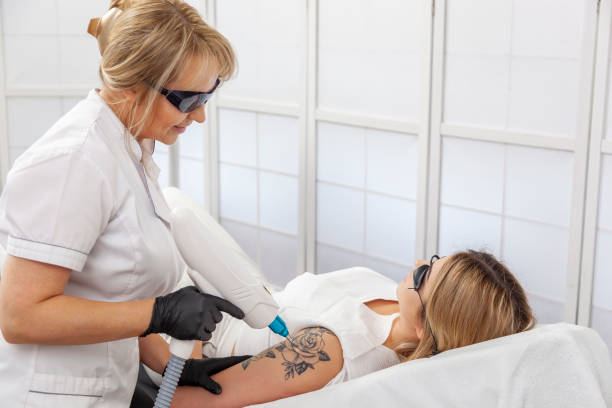

Tattoos are often chosen as a form of personal expression, but preferences and circumstances can change over time. Some people may wish to remove an unwanted design, fade an old tattoo, or prepare their skin for a different tattoo. Laser treatment is one of the commonly used approaches for reducing unwanted tattoo pigment. Laser Tattoo Removal in Riyadh (إزالة الوشم بالليزر في الرياض) uses focused light energy to break tattoo ink into smaller particles, allowing the body's natural processes to gradually eliminate them. Understanding how the procedure works, what results to expect, and how many sessions may be needed can help beginners make informed decisions.
What Is Laser Tattoo Removal?
Laser tattoo removal is a non-surgical cosmetic procedure that uses specialized laser technology to target pigment particles within the skin. Tattoo ink is deposited beneath the skin's surface, which makes it difficult to remove through ordinary skincare treatments.
During treatment, laser energy passes through the skin and is absorbed by the tattoo pigment. This energy breaks larger ink particles into smaller fragments, which are gradually processed and eliminated by the body's immune system.
The procedure is commonly used to reduce or remove unwanted tattoos on different body areas. However, complete removal is not guaranteed, and results depend on several factors, including ink color, tattoo depth, skin type, and the technology used.
How Does Laser Tattoo Removal Work?
Laser tattoo removal works through a process called selective photothermolysis. The laser delivers controlled pulses of light energy that target specific tattoo pigments while minimizing damage to the surrounding skin.
Targeting Tattoo Ink
Different tattoo colors absorb different wavelengths of laser light. The specialist selects an appropriate laser wavelength based on the ink colors, tattoo characteristics, and patient's skin type.
Breaking Down Pigment Particles
When the laser energy reaches the tattoo ink, it produces a rapid thermal or photoacoustic effect that breaks pigment particles into smaller fragments. These particles become easier for the body's natural immune system to process.
Natural Removal Process
After treatment, the body's immune cells gradually remove the fragmented pigment. This process takes time, which is why tattoos generally fade over several weeks rather than disappearing immediately after a session.
Which Types of Tattoos Can Be Treated?
Laser technology can address many tattoo colors and styles, although some pigments respond better than others.
-
Black Tattoos: Black ink generally responds well because it absorbs a broad range of laser wavelengths.
-
Blue Tattoos: Certain blue pigments can be treated using suitable laser settings.
-
Green Tattoos: Green ink may require specialized wavelengths and can be more challenging to remove.
-
Red Tattoos: Specific laser wavelengths can target red pigments effectively.
-
Multicolored Tattoos: Different colors may require different treatment settings during the removal process.
Professional assessment is important because some cosmetic tattoo pigments may contain ingredients that change color or become darker after laser exposure.
What Happens During a Laser Tattoo Removal Session?
The treatment usually begins with a consultation to evaluate the tattoo and determine whether laser removal is appropriate. The specialist examines the tattoo's size, color, location, age, and depth before selecting the treatment approach.
During the session, the treatment area is cleaned, and protective eyewear is provided to protect the patient's eyes from laser exposure. A cooling method or suitable topical anesthetic may be used to improve comfort.
The specialist then directs controlled laser pulses toward the tattoo. Patients may experience sensations similar to small elastic-band snaps against the skin. The duration depends on the tattoo's size, complexity, and the treatment area.
After the session, the treated skin may appear red or swollen. Temporary whitening, mild discomfort, or small blisters can also occur as part of the skin's response.
How Many Sessions Are Needed to Remove a Tattoo?
The number of sessions varies from person to person. Some tattoos fade considerably after several treatments, while others require more sessions because of their size, depth, color, or ink density.
Factors that influence the treatment process include:
-
Tattoo Size: Larger designs generally require more treatment time.
-
Ink Color: Certain pigments are more difficult to target than others.
-
Ink Depth: Deeply deposited pigment may take longer to fade.
-
Tattoo Age: Older tattoos may sometimes respond more readily because some pigment has already faded.
-
Skin Type: Skin characteristics influence laser selection and treatment settings.
-
Immune Response: Individual differences in the body's ability to clear fragmented pigment can affect results.
Sessions are usually spaced several weeks apart to allow the skin to recover and the immune system to process the pigment. Your specialist will recommend an appropriate schedule.
Is Laser Tattoo Removal Safe?
When performed by a qualified professional using suitable equipment and settings, laser tattoo removal can be an effective treatment option. However, it is not completely risk-free.
Possible side effects include temporary redness, swelling, tenderness, blistering, changes in skin pigmentation, and scarring. Some ink colors may also respond unpredictably to laser treatment.
Patients should disclose their medical history, existing skin conditions, medications, and previous reactions to tattoo treatments during consultation. Following aftercare instructions is important for reducing the risk of complications.
How to Care for Your Skin After Treatment
Proper aftercare helps protect the treated area while the skin recovers. Patients should follow the specialist's instructions and avoid unnecessary irritation.
Helpful aftercare practices include:
-
Keep the treated area clean and follow recommended wound-care instructions.
-
Avoid scratching, picking, or removing blisters.
-
Protect the area from direct sunlight.
-
Avoid swimming and activities that may irritate the skin until healing permits.
-
Use only recommended skincare products on the treated area.
-
Attend follow-up appointments to monitor progress.
If severe pain, spreading redness, unusual discharge, or signs of infection develop, seek medical advice promptly.
Is Laser Tattoo Removal Right for You?
Laser tattoo removal may be suitable for individuals who want to reduce or eliminate unwanted tattoo pigment without undergoing surgical removal. However, treatment suitability depends on skin health, tattoo characteristics, medical history, and personal expectations.
Some tattoos may fade significantly but leave traces of pigment or changes in skin texture. A consultation helps establish realistic expectations and determine the most appropriate laser approach.
Explore Laser Tattoo Removal With Professional Guidance
Removing an unwanted tattoo requires an individualized approach based on ink color, tattoo depth, skin type, and treatment goals. Laser Tattoo Removal in Riyadh offers a non-surgical option for gradually reducing unwanted tattoo pigment through controlled laser technology. For a professional skin assessment and personalized treatment guidance, consult the specialists at Royal Clinic Saudia (عيادات رويال كلينك). An experienced provider can help explain the available options, expected sessions, and aftercare requirements. A consultation can determine whether Laser Tattoo Removal in Riyadh is suitable for your tattoo and skin concerns.

