

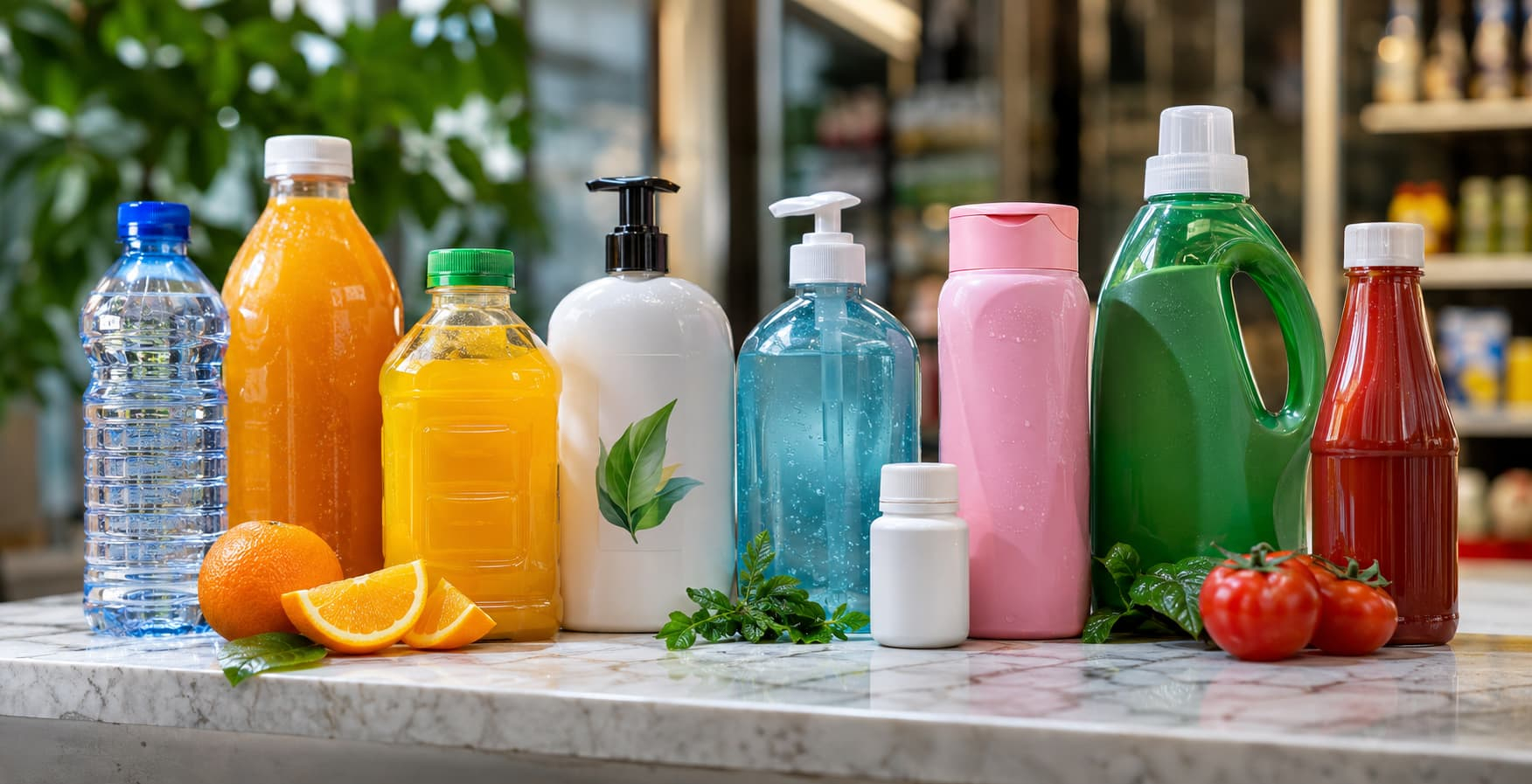

Packaging plays an important role in how customers perceive a product. Before customers experience what's inside, they notice the bottle's shape, color, material, and overall appearance. A well-designed plastic bottle can make a product look more appealing, communicate quality, and create a positive first impression.
For businesses operating in competitive markets, packaging is more than a container. It helps products stand out on retail shelves, protects their contents, and makes everyday use more convenient. Whether you manufacture beverages, personal care products, food items, or household supplies, selecting suitable packaging can influence how customers respond to your product.
Plastic bottles remain a popular choice across these industries because they are lightweight, practical, and available in different shapes, sizes, and designs. But does choosing a better bottle really improve your product's market appeal? The answer depends on how well the packaging meets your product requirements and customer expectations.
Let's look at what makes plastic bottle packaging effective and how the right manufacturing partner can help strengthen your product presentation.
How Does a Better Plastic Bottle Improve Your Product's Market Appeal?
A plastic bottle is often one of the first things customers notice about a product. Its appearance and functionality can influence whether someone picks it up, examines the label, or considers making a purchase.
Here are three ways better bottle packaging can improve market appeal.
1. Improves Visual Presentation and Shelf Appeal
Products compete for attention, particularly in supermarkets, retail stores, and online marketplaces. A bottle with an attractive shape, clean finish, and suitable color can help a product stand out among similar options.
Transparent PET bottles, for example, allow customers to see the contents. This can be particularly useful for juices, beverages, and certain food products where appearance influences purchasing decisions.
Businesses can also choose different bottle shapes and finishes to complement their product categories. A simple, well-proportioned design can make packaging look more professional without unnecessary decorative elements.
2. Builds Customer Confidence
Customers often associate packaging quality with the quality of the product inside. A bottle that feels sturdy, has a properly fitted cap, and looks clean can create a more positive impression.
On the other hand, poorly finished bottles, loose closures, or damaged packaging may raise questions about product handling and reliability.
Choosing suitable plastic jar containers and bottles helps businesses present their products professionally while meeting practical storage and handling requirements.
3. Strengthens Brand Recognition
Consistent packaging makes it easier for customers to recognize products. When a business uses similar bottle shapes, colors, and labeling styles across its product range, it creates a recognizable visual identity.
Custom bottle designs can also help distinguish a brand from competitors. Even small differences in shape, cap style, or color can make packaging more identifiable.
What Makes a High-Quality Plastic Bottle?
Not every plastic bottle is suitable for every product. A bottle designed for drinking water may not meet the requirements of shampoo, sauces, or pharmaceutical products.
The right packaging should match the product's characteristics, storage conditions, and intended use.
Material Selection
Material selection is one of the first considerations when choosing plastic bottles.
PET (polyethylene terephthalate) is widely used for beverage packaging because it is lightweight, transparent, and offers useful barrier properties. It is commonly selected for water, juice, and other beverage containers.
Other plastics, such as HDPE and PP, serve different packaging applications. HDPE is frequently used for household liquids and personal care products, while PP is used in selected containers and closures.
The appropriate material depends on factors such as chemical compatibility, temperature requirements, product sensitivity, and intended storage conditions.
Durability and Product Protection
A good bottle should withstand normal filling, handling, storage, and transportation conditions.
Bottle thickness, structural design, and material quality all contribute to its durability. The cap and closure are equally important because an unsuitable closure can result in leakage or product exposure.
For businesses distributing products over long distances, packaging should be selected with transportation and storage conditions in mind.
Functional Design
Packaging should make products convenient to handle and use.
Bottle openings, cap designs, grips, and dispensing options all influence the customer experience. For example, a shampoo bottle may require a flip-top or dispensing cap, while a juice bottle generally needs a secure closure that is easy to open.
Bottle capacity also matters. Smaller sizes may suit individual purchases, while larger bottles can serve household or commercial requirements.
Different Types of Plastic Bottles for Various Industries
Different industries require different packaging specifications. A suitable bottle should protect the product while supporting its presentation, storage, and everyday use.
Here are some common applications of plastic bottles.
Plastic Juice Bottles
<image-placeholder/>
Juice and beverage businesses need packaging that combines convenience with suitable product protection. Plastic juice bottles are a practical option for packaging fresh juices, flavored drinks, and other beverages.
PET bottles are particularly popular because their transparent appearance allows customers to view the beverage. Their lightweight construction also makes them convenient for retail distribution and transportation.
When selecting juice bottles, businesses should consider food-contact suitability, bottle capacity, closure compatibility, and the intended filling and storage conditions.
Different shapes and sizes can also help beverage brands create packaging that matches their product range.
Shampoo and Personal Care Bottles
Shampoos, conditioners, liquid soaps, and lotions require packaging that supports convenient dispensing and regular use.
These products commonly use plastic bottles made from materials such as HDPE and PET, depending on their formulation and packaging requirements.
Businesses can select from different bottle shapes, capacities, and closure styles. Flip-top caps, screw caps, and pump dispensers are common options for personal care packaging.
A well-designed bottle should be comfortable to hold, easy to dispense, and suitable for repeated handling.
Food and Beverage Bottles
Food manufacturers use plastic bottles for a variety of liquid products, including sauces, syrups, cooking ingredients, and selected beverages.
The choice of material should account for the product's ingredients and storage conditions. Closure design is another important consideration, particularly when packaging products that need protection against leakage or external contamination.
For thicker products, bottle openings and dispensing features should be selected according to the product's consistency.
Pharmaceutical and Household Packaging
Plastic bottles are also used for selected pharmaceutical, healthcare, cleaning, and household products.
Pharmaceutical packaging requires careful consideration of material compatibility, hygiene, closure security, and applicable industry requirements.
Household cleaning products may require different bottle structures and dispensing systems depending on the liquid being packaged.
For both categories, selecting packaging according to the intended application helps maintain product quality and usability.
Why Do Custom Plastic Bottle Designs Matter for Branding?
Standard packaging may meet basic requirements, but customized designs give businesses more control over how their products look and feel.
A distinctive bottle can help customers identify a product more easily, particularly when competing products offer similar features or ingredients.
Customization can involve several elements:
-
Bottle shape: Select a design that complements your product and brand identity.
-
Bottle size: Choose capacities that suit different customer requirements and purchasing preferences.
-
Colors and finishes: Use suitable colors and finishes to create a consistent packaging appearance.
-
Cap styles: Select screw caps, flip-top closures, or other compatible options according to product requirements.
-
Labels and printing: Include branding, product information, instructions, and other required details.
The best design balances appearance with manufacturing practicality. An unusual bottle shape may look attractive, but it should also be easy to fill, seal, store, and transport.
Working with an experienced manufacturer can help businesses assess these factors before finalizing a custom design.
How to Choose the Right Plastic Bottle Supplier in Pakistan?
Selecting a plastic bottle supplier is an important decision, particularly for businesses that depend on a consistent packaging supply.
The right supplier should understand your product requirements and have the manufacturing capabilities to meet your order specifications.
Here are some factors worth evaluating before making a decision.
Manufacturing Experience
Look for a manufacturer with experience producing bottles for different industries. Manufacturing knowledge can help when selecting suitable materials, bottle structures, and closure systems.
Material Quality
Ask about the materials used in production and the quality-control procedures followed during manufacturing. For food and beverage packaging, confirm that the material is suitable for the intended food-contact application.
Product Range
A supplier with different bottle shapes, capacities, and designs gives businesses more flexibility when selecting packaging.
Check whether the manufacturer also produces jars, containers, and other packaging products that may support your wider product range.
Customization Capabilities
If you require branded packaging, ask about available customization options. Discuss design specifications, cap compatibility, colors, and production requirements before confirming an order.
Production Capacity and Delivery
A reliable supplier should be able to explain its production capacity, order quantities, and expected delivery schedules.
This is particularly relevant for growing businesses that need regular packaging supplies to maintain production.
Pricing and Customer Support
Compare quotations while considering material quality, manufacturing specifications, and order quantities. The lowest price may not always represent the best value if the packaging does not meet your requirements.
Clear communication and responsive customer support can also make the ordering process easier.
Is Buying Plastic Bottles Wholesale a Better Option for Businesses?
For businesses with regular packaging requirements, purchasing plastic bottles wholesale can offer practical advantages.
Buying in bulk may help reduce the per-unit purchasing cost, depending on order volume, bottle specifications, and supplier pricing. It can also help businesses maintain a more consistent packaging inventory.
Manufacturers, beverage companies, cosmetic brands, and distributors often require large quantities of bottles for ongoing production. Wholesale purchasing allows them to plan packaging requirements in advance rather than placing frequent smaller orders.
But bulk purchasing should involve more than comparing prices.
Before placing a large order, check the bottle's material, dimensions, capacity, closure compatibility, and overall finish. Requesting product samples can help you evaluate whether the packaging meets your expectations.
Choosing the right plastic bottle supplier for wholesale orders can make inventory planning and production management easier.
Common Packaging Mistakes That Can Affect Product Appeal
Even a good product can struggle with unsuitable packaging. Some common mistakes businesses should avoid include:
-
Choosing packaging based only on appearance: An attractive bottle may not provide the required functionality or product protection.
-
Ignoring material compatibility: The selected plastic should be suitable for the product's ingredients and storage conditions.
-
Overlooking closure quality: Poorly fitted caps can cause leakage and handling problems.
-
Selecting impractical bottle sizes: Packaging should match customer usage and product requirements.
-
Ignoring transportation needs: Bottles should be suitable for normal storage, stacking, and distribution conditions.
Reviewing these factors before production can help businesses avoid unnecessary packaging expenses and product-related issues.
How to Make the Right Packaging Decision for Your Business?
Start by understanding what your product needs from its packaging. Consider its ingredients, storage requirements, shelf presentation, and intended use.
Next, compare available bottle materials, shapes, sizes, and closure options. Think about what your customers expect and how the packaging will be handled throughout distribution.
If you need customized packaging, discuss your specifications with the manufacturer and request samples before confirming a bulk order.
A practical packaging decision should balance product protection, appearance, convenience, and cost. When these factors work together, your bottle can support both the product and the brand behind it.
Choose Plastic Packaging That Supports Your Brand
A better plastic bottle can improve how customers see your product, make everyday handling easier, and help your brand maintain a consistent appearance. The key is selecting packaging that suits your product rather than choosing a design based on appearance alone.
Blowplast provides plastic packaging solutions for businesses looking for quality bottles, jars, and containers. Whether you need plastic juice bottles, personal care packaging, or plastic jar containers, choosing the right specifications is the first step.
Get in touch with Blowplast to discuss your packaging requirements and find suitable solutions for your business.

