

The custom apparel industry is growing as consumers increasingly look for personalized clothing, branded merchandise, and unique garment designs. For printing businesses, this creates exciting opportunities to attract new customers, expand product offerings, and increase production capacity. However, taking advantage of this demand requires the right equipment, an efficient workflow, and consistent print quality.
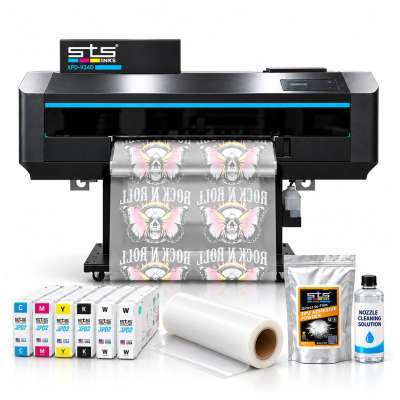
The STS XPD-924D is a printing solution worth exploring for businesses looking to strengthen their direct-to-film production capabilities. Whether you operate an established print shop or plan to expand an existing apparel business, choosing equipment that aligns with your production goals can make a meaningful difference in daily operations.
Why Modern Apparel Businesses Need Advanced Printing Solutions
Customer expectations have changed significantly. Businesses are no longer focused exclusively on large bulk orders. Many customers now request personalized designs, limited-edition clothing, promotional apparel, and smaller production runs.
Traditional production methods can become challenging when businesses need to manage different designs, colors, and order quantities. Modern digital printing technology offers greater flexibility and helps print shops respond to these changing requirements.
Investing in suitable commercial garment printing equipment can help businesses improve production organization, maintain consistent output, and serve a wider customer base.
For growing apparel companies, the objective is not simply to purchase another machine. It is to establish a production setup that supports current demand while allowing room for future expansion.
Understanding the STS XPD-924D Printing Solution
The STS XPD-924D is designed for businesses exploring professional direct-to-film apparel printing. This type of technology provides an alternative to conventional garment decoration methods by allowing designs to be printed onto transfer film before being applied to garments through a heat transfer process.
This approach offers flexibility for businesses producing customized clothing and other fabric-based products.
Before selecting any production system, buyers should consider its printing specifications, supported materials, software compatibility, maintenance requirements, and available technical support. These factors help determine whether the equipment is appropriate for their particular business model.
Businesses interested in exploring this product can review the available equipment and product information through DTGPRO.
How DTF Technology Supports Custom Apparel Production
Direct-to-film printing has become an important option in the garment decoration industry because of its versatility and ability to reproduce detailed artwork.
Greater Design Flexibility
One significant advantage of this technology is its ability to accommodate colorful graphics, detailed illustrations, logos, and customized designs. This makes it useful for businesses serving fashion brands, sports teams, promotional companies, and individual customers.
Instead of limiting their services to a narrow selection of designs, print shops can offer more creative possibilities.
Compatibility with Different Fabrics
Apparel businesses frequently work with cotton, polyester, and blended fabrics. DTF transfers can be suitable for a variety of textile applications, provided the correct materials, transfer settings, and application procedures are used.
This flexibility allows businesses to diversify their product catalogs and explore additional market opportunities.
Support for Different Order Sizes
Not every customer needs hundreds of identical garments. Some businesses specialize in personalized orders, while others manage larger commercial projects.
A well-organized digital printing workflow can help accommodate different order quantities without requiring the same preparation associated with traditional screen printing.
Important Features to Consider Before Investing
Selecting the right production system involves evaluating more than its initial purchase price.
Here are several factors worth considering before making a decision.
1. Printing Performance: Evaluate print resolution, color reproduction, production speed, and consistency. These characteristics influence the quality of finished transfers.
2. Software Compatibility: RIP software plays an important role in preparing artwork, managing colors, and controlling printing operations. Make sure the available software meets your production requirements.
3. Maintenance Requirements: Regular cleaning and preventive maintenance help protect printheads and other important components. Understand the recommended maintenance schedule before purchasing.
4. Consumable Availability: Check the availability and ongoing costs of compatible inks, transfer films, adhesive powders, and replacement components.
5. Training and Technical Support: Proper onboarding can help operators understand machine functions, avoid common mistakes, and establish a more efficient production routine.
Considering these factors can help businesses make a more informed equipment investment.
Building a More Efficient Production Workflow
Purchasing advanced equipment is only one part of operating a successful apparel printing business. An organized workflow is equally important.
A typical direct-to-film production process involves preparing the artwork, printing the design onto transfer film, applying adhesive powder, curing the transfer, and pressing it onto the selected garment.
Each stage requires attention to detail. Incorrect curing temperatures, unsuitable transfer settings, poor-quality consumables, or improper garment preparation can affect the final result.
Businesses should establish consistent operating procedures and train employees to follow manufacturer recommendations. Keeping production materials organized and monitoring equipment performance can also help minimize unnecessary interruptions.
How the Right Equipment Can Support Business Growth
As customer demand increases, businesses need production systems that can accommodate changing workloads without compromising quality.
A suitable printing setup can help apparel companies:
-
Expand their range of customized products.
-
Accept more varied customer orders.
-
Improve production planning.
-
Maintain consistent printing standards.
-
Reduce avoidable workflow complications.
-
Develop opportunities in promotional and branded merchandise markets.
For businesses comparing different DTF Printers, it is important to evaluate long-term operating costs alongside production capabilities. A machine that fits your actual workload and business objectives may provide better value than simply choosing the fastest or most expensive option.
Why Choose a Knowledgeable Printing Equipment Supplier?
The equipment supplier can have a significant influence on the overall purchasing experience. Beyond providing machinery, a knowledgeable supplier can help buyers understand product specifications, consumable requirements, software options, and maintenance considerations.
DTGPRO offers a range of digital apparel printing products and related supplies for businesses exploring modern garment decoration solutions. Its product selection includes printing equipment, consumables, and other resources intended to support different production requirements.
Working with an experienced supplier can make it easier to identify suitable equipment and understand what is needed to establish an effective production environment.
Conclusion
Growing a custom apparel business requires more than creative designs and effective marketing. Reliable equipment, consistent production practices, and an organized workflow are essential for delivering quality products and maintaining customer satisfaction.
The STS XPD-924D is worth considering for businesses exploring professional direct-to-film production capabilities. By evaluating its specifications, operational requirements, and available support, print shop owners can determine whether it fits their production goals.
Ultimately, choosing the right DTF Printer is about finding a solution that supports your current needs while preparing your business for future opportunities in the expanding custom apparel market.

