

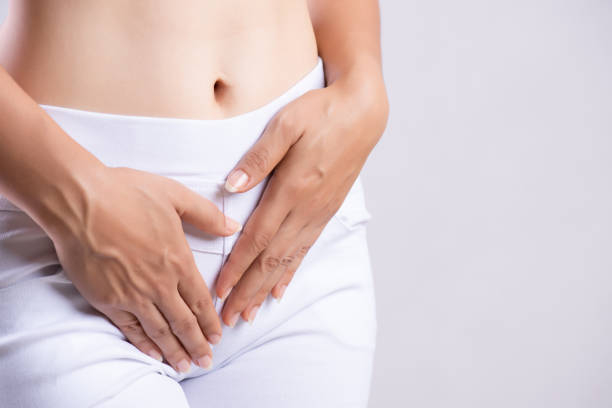
Key Benefits of Laser Vaginal Tightening in Dubai for Postpartum Recovery

Laser Vaginal Tightening in Dubai is marketed as a non-surgical option for women who notice intimate changes after pregnancy or childbirth. Providers may promote it for vaginal laxity, tissue changes, and intimate comfort. However, evidence has not established that vaginal laser treatment reliably restores postpartum vaginal tone or improves pelvic floor function. Women recovering after childbirth should first understand the cause of their symptoms and consider medically supported postpartum care.
Pregnancy and delivery can affect the pelvic floor, vaginal tissues, and surrounding structures. Some women experience dryness, discomfort, urinary leakage, or a feeling of reduced support. These changes vary according to individual circumstances, and not every woman needs a procedure.
Understanding Postpartum Vaginal Changes
The body undergoes significant changes during pregnancy and childbirth. Vaginal delivery can stretch the pelvic floor muscles and supporting tissues, while hormonal changes after delivery may influence vaginal moisture and comfort.
Symptoms may be temporary or continue beyond the early recovery period. Their causes can differ, so a postpartum assessment is useful when concerns persist.
Common Concerns After Childbirth
Women may notice:
-
A feeling of reduced pelvic floor support.
-
Urinary leakage when coughing, sneezing, or exercising.
-
Vaginal dryness or irritation.
-
Discomfort during sexual activity.
-
Perineal tenderness after a tear or episiotomy.
-
Changes in confidence about intimate health.
These symptoms should not automatically be described as vaginal laxity. Some may be related to muscle function, healing, hormonal changes, or other conditions.
What Laser Vaginal Tightening in Dubai Claims to Offer
Laser vaginal treatments are promoted as procedures that deliver controlled energy to vaginal tissue. The proposed mechanism involves a tissue response that may affect collagen-related processes.
Some marketing materials associate this process with improved firmness or tissue quality. However, the proposed mechanism does not establish that treatment can restore pelvic floor strength, reverse childbirth-related changes, or improve sexual function.
Understanding the Difference Between Tissue and Muscle Recovery
The pelvic floor is a group of muscles and connective tissues that support pelvic organs and contribute to bladder and bowel control.
A device that applies energy to vaginal tissue does not replace muscle rehabilitation. If a woman has pelvic floor weakness, an assessment by a qualified pelvic health physiotherapist may be more relevant than a cosmetic procedure.
Postpartum Care Before Considering a Procedure
Recovery after childbirth should be individualised. The timing of returning to exercise, intimacy, and other activities depends on delivery type, healing, complications, and medical advice.
Women experiencing ongoing symptoms should discuss them with their obstetrician, gynaecologist, or other qualified healthcare professional.
Evidence-Based Approaches to Discuss
Depending on the symptoms, postpartum care may include:
-
Pelvic floor physiotherapy: A trained physiotherapist can assess muscle function and guide suitable exercises.
-
Postpartum medical review: A clinician can check healing and investigate persistent pain or other symptoms.
-
Vaginal moisturisers or lubricants: These may help with dryness when appropriate.
-
Menopause or hormonal assessment: Relevant when hormonal changes contribute to tissue symptoms.
-
Incontinence evaluation: Urinary leakage can be assessed to identify its type and suitable treatment.
The right approach depends on the woman's health, symptoms, and recovery stage.
Is Laser Treatment Appropriate After Childbirth?
There is no universal postpartum timetable for elective vaginal laser treatment. Women should not assume that the procedure is suitable immediately after delivery or that it can replace routine postpartum care.
Before considering Laser Vaginal Tightening in Dubai, patients should discuss:
-
Whether childbirth-related healing is complete.
-
Whether there are unresolved tears, pain, or infection.
-
Whether symptoms relate to pelvic floor weakness.
-
Whether breastfeeding or hormonal changes are affecting vaginal comfort.
-
What clinical evidence supports the proposed treatment.
-
What alternatives are available.
A clinician should investigate persistent bleeding, fever, unusual discharge, significant pain, or other concerning symptoms before any elective procedure is considered.
Understanding Safety and Evidence
Vaginal laser procedures are marketed for postpartum concerns, but robust evidence supporting routine use for vaginal tightening or pelvic floor recovery remains lacking.
The American College of Obstetricians and Gynecologists warns that energy-based vaginal treatments have not been approved by the US FDA for vaginal cosmetic procedures or for treating urinary incontinence and other sexual problems. Reported complications include burns, scarring, pain during intercourse, and long-lasting pain.
Women should ask about the exact device, its authorised use in the UAE, the clinician's qualifications, and the evidence supporting the proposed treatment.
Supporting Long-Term Postpartum Wellbeing
Postpartum recovery involves more than vaginal tissue. Sleep, physical rehabilitation, hormonal changes, emotional wellbeing, and support at home can all influence how a woman feels.
A gradual return to physical activity should follow medical advice. Pelvic floor exercises may be recommended for some women, but technique and suitability matter, particularly when pain or muscle overactivity is present.
Clinic Note
Postpartum vaginal changes deserve careful assessment rather than automatic treatment with a tightening procedure. Laser vaginal treatment has not been established as a reliable way to restore pelvic floor strength or reverse childbirth-related changes. Women should prioritise healing, appropriate rehabilitation, and an individual medical review before considering elective intimate procedures.
Frequently Asked Questions
Can laser vaginal tightening restore vaginal tone after childbirth?
It is marketed for this purpose, but reliable evidence has not established that it restores postpartum vaginal tone or pelvic floor function.
Is pelvic floor physiotherapy useful after delivery?
It can help some women with pelvic floor weakness or related symptoms. A qualified physiotherapist can assess muscle function and recommend appropriate exercises.
When should I discuss postpartum vaginal symptoms with a doctor?
Persistent pain, dryness, urinary leakage, discomfort during intimacy, or concerns about healing are good reasons to arrange a medical review.
Does vaginal laser treatment replace Kegel exercises?
No. Laser procedures and pelvic floor exercises are different approaches. Neither should be selected without understanding the underlying condition.
Can breastfeeding affect vaginal comfort?
Hormonal changes associated with breastfeeding may contribute to vaginal dryness in some women. A clinician can discuss suitable options.
Discuss Postpartum Intimate Health with Tajmeels Clinic
Every woman's postpartum recovery is different. Tajmeels Clinic in Dubai can be contacted to discuss intimate health concerns and ask about available consultation options.
A personalised medical discussion can help identify whether symptoms are related to healing, pelvic floor function, hormonal changes, or another condition. Understanding the cause is the best starting point for choosing appropriate care.

