

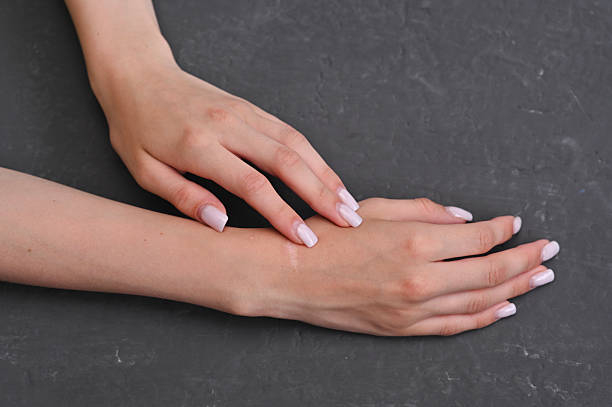
Top Benefits of Choosing Laser Scar Removal in Dubai Over Topical Scar Creams

Scar creams and professional skin procedures serve different purposes, so choosing between them requires an understanding of the type of mark being treated. Some topical products can support skin hydration, improve the appearance of certain scars, or help manage pigmentation. However, when scars involve deeper changes in skin texture, Laser Scar Removal in Dubai may offer a different treatment approach by targeting selected skin structures beneath the surface.
Neither option is suitable for every scar. The right choice depends on the scar's age, depth, appearance, skin type, and the improvement a patient hopes to achieve.
How Topical Scar Creams Work
Topical products are applied directly to the skin. Their effects depend on their ingredients and the type of scar being treated.
Some products help maintain the skin barrier, while others are designed to improve the appearance of raised scars or uneven pigmentation.
Silicone products for selected raised scars
Silicone gels and sheets are commonly used as part of scar management for certain raised scars. They may help soften or flatten hypertrophic scars over time when used consistently.
They are not designed to correct deep depressions or significant changes in skin texture.
Moisturisers and barrier-supporting products
Moisturisers can reduce dryness and improve skin comfort. They may be useful when the skin around a scar feels tight or irritated.
However, hydration alone cannot usually correct structural changes caused by deeper tissue damage.
Ingredients for uneven pigmentation
Some skincare ingredients may help improve dark marks left after acne or inflammation. Depending on the product, these may include ingredients that support skin renewal or reduce excess pigmentation.
A dark mark is not always a true scar. Products intended for pigmentation concerns may have limited effects on depressed or raised scar tissue.
What Makes Laser Scar Removal in Dubai Different?
Laser procedures use controlled light energy to target specific skin structures. The intended effect depends on the device, wavelength, settings, and treatment method.
Some lasers are used to improve uneven texture, while others target redness or excess pigmentation.
Addressing changes beneath the skin surface
Selected resurfacing lasers create controlled treatment zones within the skin. During recovery, the body's healing response may contribute to gradual changes in texture and collagen remodelling.
This approach may be considered for certain atrophic acne scars and other textural irregularities.
Targeting scar redness
Vascular lasers may be considered when persistent redness is a major feature of a scar. They target blood vessels rather than treating the concern in the same way as resurfacing devices.
Treating selected pigment concerns
Pigment-targeting lasers may be appropriate for certain forms of discolouration. The clinician must first establish whether the pigmentation is suitable for laser treatment and assess the risk of post-inflammatory hyperpigmentation.
Laser Treatment vs Topical Products for Different Scar Types
The most useful comparison is based on the scar's characteristics rather than assuming one treatment is always superior.
| Scar concern | Potential role of topical products | Potential role of laser treatment |
|---|---|---|
| Raised hypertrophic scars | Silicone may help soften or flatten selected scars | Certain lasers may help with redness or thickness as part of a wider plan |
| Depressed acne scars | Limited ability to change deeper texture | Selected resurfacing lasers may improve surface irregularities |
| Red scars | Basic skincare may support comfort | Vascular laser may target persistent redness |
| Dark marks after acne | Suitable brightening products may help | Selected pigment treatments may be considered |
| Dry or irritated scar tissue | Moisturisers can support the skin barrier | Laser is generally not a substitute for basic skin care |
Benefits of Considering Professional Laser Assessment
A clinical assessment can help identify whether a scar is primarily raised, depressed, red, pigmented, or tethered to deeper tissue.
This distinction matters because the same procedure may not address every feature.
Treatment can be matched to the scar
A dermatologist can consider the scar's depth, location, age, and surrounding skin before selecting a technology.
For example, a depressed acne scar may require a different approach from a raised surgical scar.
Progress can be reviewed clinically
Professional treatment allows the clinician to assess changes over time and adjust the plan when appropriate.
The goal should be measurable improvement in specific scar characteristics rather than an unrealistic promise of complete removal.
Combination care may be more appropriate
Some patients benefit from a plan that includes professional procedures and home skincare. Topical products may support recovery or help manage pigmentation, while a procedure addresses selected structural concerns.
Limitations and Risks to Consider
Laser treatment is not automatically more effective or safer for every patient. It can involve temporary redness, swelling, sensitivity, peeling, and downtime. Less common complications include burns, infection, prolonged healing, pigmentation changes, and additional scarring.
Topical products can also cause irritation or allergic reactions, particularly when used too frequently or combined without guidance.
People with darker skin tones may have a higher risk of post-inflammatory pigmentation after certain laser procedures. Device selection and conservative settings are therefore important.
When Might Creams Be Enough?
Topical care may be a reasonable starting point when the concern is mild discolouration, dryness, or a relatively recent raised scar for which silicone has been recommended.
A clinician can also advise whether a product is suitable for the patient's skin and whether it should be combined with another treatment.
When Should You Consider a Dermatology Consultation?
Consider an assessment if a scar is deep, tethered, persistently red, raised, uncomfortable, or affecting your confidence.
A consultation is also useful when several products have been tried without meaningful improvement. The clinician can determine whether the concern is a structural scar, pigmentation, or another skin condition.
Clinic Note
Topical products and laser procedures are not direct substitutes. Silicone may help selected raised scars, moisturisers support the skin barrier, and certain skincare ingredients may improve pigmentation. Laser technology may be considered for specific textural, vascular, or pigment concerns. A diagnosis should guide the choice.
Frequently Asked Questions
Can scar creams remove deep acne scars?
Most topical creams cannot fully correct deep depressions or tethered acne scars. A dermatologist can assess whether procedural treatment may be appropriate.
Are laser treatments better than scar creams?
They serve different purposes. Laser procedures may address selected structural or vascular concerns, while topical products can support hydration, pigmentation management, or raised-scar care.
Can I use scar cream after laser treatment?
Some products may be suitable during recovery, but timing and ingredients matter. Follow the treating clinician's instructions before restarting active skincare.
Do old scars respond to laser treatment?
Some older scars may improve, depending on their structure and the technology selected. Age alone does not determine suitability.
Can laser treatment completely erase a scar?
Complete removal cannot be guaranteed. Treatment aims to improve selected features, such as texture, redness, or pigmentation.
Discuss Your Scar Treatment Options at Tajmeels Clinic
Choosing between topical care and professional treatment begins with understanding the scar itself. Tajmeels Clinic can help patients explore their concerns through a consultation and discuss whether available treatment options are appropriate. A personalised assessment can clarify realistic goals, possible risks, and the role of home skincare in the overall plan.

