

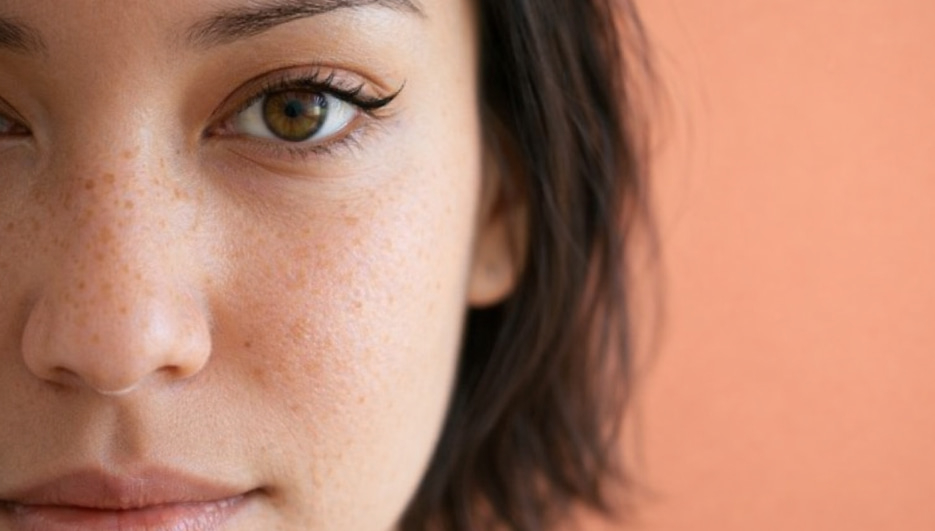

Skin recovery after pigmentation treatment depends on several factors, including skin type, treatment intensity, sun exposure, and daily skincare habits. Understanding these elements can help people make informed decisions about post-treatment care. For individuals exploring Freckles and Blemishes in Dubai, information shared in an advertorial context by Dynamic Clinic in Dubai can help explain why recovery needs may differ from one person to another.
How Does Skin Type Influence Recovery?
Every skin type responds differently to pigmentation treatments. Some people experience mild redness, while others may notice dryness, sensitivity, or temporary darkening in the treated areas. These reactions depend on the skin's natural barrier, pigmentation levels, and sensitivity.
People with darker skin tones may have a greater risk of post-inflammatory hyperpigmentation if the skin becomes irritated during recovery. Lighter skin types may experience temporary redness or increased sensitivity.
Important skin-related factors include:
-
Sensitive skin: May react more strongly to heat, skincare products, or friction.
-
Dry skin: May require additional moisturising to support the skin barrier.
-
Oily skin: May need lightweight, non-comedogenic skincare products.
-
Pigmentation-prone skin: Requires careful sun protection and irritation control.
A professional skin assessment can help determine suitable aftercare recommendations.
Why Is Sun Protection Important After Treatment?
Sun exposure is one of the most important environmental factors affecting recovery after freckles and blemishes treatment. Ultraviolet (UV) radiation can stimulate melanin production, which may contribute to new pigmentation or darken existing spots.
Dubai's sunny climate makes daily sun protection particularly important, even when spending limited time outdoors.
Helpful sun protection practices include:
-
Apply broad-spectrum SPF 30 or higher every morning.
-
Reapply sunscreen every two hours when outdoors.
-
Wear sunglasses and wide-brimmed hats.
-
Seek shade during periods of strong sunlight.
-
Avoid unnecessary direct sun exposure while the skin heals.
Consistent protection can reduce the risk of pigmentation returning and help maintain more even-looking skin.
What Role Does Treatment Intensity Play?
The recovery period can vary depending on the type of treatment and its intensity. Different pigmentation procedures affect the skin at different depths, which influences how the treated area responds.
For example, some laser procedures may cause temporary redness, warmth, or mild swelling. Other approaches may produce dryness or light peeling as the skin renews itself.
Recovery considerations may include:
-
Treatment depth: Deeper treatments may require more recovery time.
-
Energy settings: The intensity used during a laser procedure can influence skin reactions.
-
Treatment area: Sensitive facial regions may respond differently from other body areas.
-
Number of sessions: Repeated treatments may require adjustments to the aftercare routine.
Treatment settings should be selected according to individual skin characteristics rather than using the same approach for everyone.
Which Skincare Habits Support Better Healing?
A gentle skincare routine helps protect the skin barrier during recovery. Using too many active ingredients or harsh products may increase irritation, particularly when the treated skin is already sensitive.
A simple routine may include:
-
Gentle cleansing: Use a mild cleanser without strong exfoliating ingredients.
-
Moisturising: Apply a fragrance-free moisturiser to reduce dryness.
-
Sun protection: Use broad-spectrum sunscreen consistently.
-
Avoiding exfoliation: Pause scrubs and exfoliating acids until the skin has recovered.
-
Limiting active ingredients: Avoid retinoids and strong brightening products until approved by a qualified professional.
Products containing ingredients such as glycolic acid, salicylic acid, or retinol may need to be temporarily avoided, depending on the procedure and skin response.
Can Lifestyle Choices Affect Recovery?
Daily habits can influence how comfortably the skin recovers. Although lifestyle changes cannot guarantee a particular pigmentation outcome, they can support general skin health.
Several factors deserve attention:
Hydration: Drinking enough water supports normal body functions and helps maintain overall skin health.
Nutrition: A balanced diet containing fruits, vegetables, proteins, and essential nutrients supports normal tissue repair.
Sleep: Adequate rest supports the body's natural recovery processes.
Smoking: Smoking can affect circulation and may interfere with normal wound healing.
Physical activity: Intense exercise may increase warmth, sweating, and irritation immediately after certain procedures. Activity restrictions should follow the treatment provider's instructions.
These habits are especially relevant when the skin is recovering from procedures that temporarily affect its protective barrier.
What Signs Should Be Monitored During Recovery?
Knowing the difference between expected reactions and warning signs is important after pigmentation treatment.
Some temporary responses may include:
-
Mild redness around treated spots.
-
Slight swelling or warmth.
-
Temporary dryness or sensitivity.
-
Light flaking or peeling.
-
Gradual changes in the appearance of pigmentation.
However, increasing pain, severe swelling, blistering, spreading redness, discharge, or signs of infection should not be ignored. Medical advice is important if these symptoms develop.
People should also avoid picking, scratching, or removing peeling skin because this may increase irritation and the risk of unwanted pigmentation or scarring.
When Should Skincare Products Be Reintroduced?
Returning to a normal skincare routine depends on how the skin responds and which procedure was performed. Reintroducing active ingredients too early may disturb healing skin.
A gradual approach is generally more appropriate:
-
Start with basic cleansing and moisturising.
-
Continue regular sunscreen application.
-
Wait until irritation and peeling have settled before considering exfoliating products.
-
Reintroduce active ingredients individually with professional guidance.
-
Monitor the skin for renewed redness, itching, or sensitivity.
Follow-up assessments can help determine whether the skin has recovered sufficiently for additional treatments or stronger skincare ingredients.
Conclusion
Recovery after freckles and blemishes treatment depends on more than the procedure itself. Skin type, treatment intensity, sun exposure, skincare choices, and lifestyle habits can all influence the healing process. Consistent sun protection, gentle cleansing, appropriate moisturising, and professional aftercare guidance are important for supporting skin recovery. Understanding these factors helps individuals in Dubai make informed skincare decisions while reducing the risk of irritation and unwanted pigmentation changes.

