

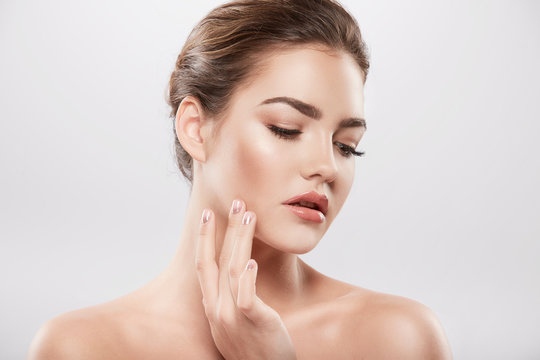

Healthy, radiant skin is often associated with an even complexion, smooth texture, and natural glow. However, factors such as sun exposure, hormonal changes, acne scars, ageing, and pigmentation can cause uneven skin tone and dark spots. Many people explore professional skin whitening treatments to improve their complexion and achieve a more refreshed appearance.
Skin whitening in Islamabad includes several cosmetic treatment options designed to address pigmentation, dullness, and uneven skin tone. These treatments may involve chemical peels, laser procedures, medical facials, and dermatologist-recommended skincare. The most suitable option depends on an individual's skin type, concerns, medical history, and treatment goals.
Understanding the available procedures, their benefits, and safety considerations can help individuals make informed decisions before choosing a professional skin treatment.
What Is Professional Skin Whitening Treatment?
Professional skin whitening refers to cosmetic procedures and skincare approaches that aim to reduce visible pigmentation, improve skin clarity, and create a more even-looking complexion.
Rather than changing someone's natural skin colour, responsible treatments focus on addressing excess pigmentation and improving overall skin health.
Common skin concerns addressed through these treatments include:
-
Hyperpigmentation: Dark patches caused by excess melanin production.
-
Melasma: Brown or greyish patches often associated with hormonal changes and sun exposure.
-
Sunspots: Dark spots that develop after prolonged UV exposure.
-
Acne Marks: Post-inflammatory pigmentation that remains after acne heals.
-
Uneven Skin Tone: Areas of the face or body that appear darker than surrounding skin.
-
Dull Skin: A lack of radiance caused by dead skin cell accumulation and environmental factors.
A professional assessment is important because different pigmentation conditions require different treatment approaches.
Popular Skin Whitening Treatment Options in Islamabad
People looking for skin whitening treatments in Islamabad can explore several cosmetic procedures. Each option works differently and offers benefits depending on the individual's skin condition.
Chemical Peels
Chemical peels are professional skincare procedures that use carefully selected chemical solutions to exfoliate the outer layers of the skin.
They help remove dead skin cells and may improve certain types of pigmentation and uneven texture.
Potential benefits include:
-
Improving the appearance of superficial dark spots.
-
Supporting smoother skin texture.
-
Reducing some acne-related pigmentation.
-
Enhancing overall skin radiance.
The strength and type of peel should be selected according to skin sensitivity and pigmentation concerns. Improper use may cause irritation or worsen pigmentation, particularly in darker skin tones.
Laser Skin Treatments
Laser treatments use focused light energy to target specific skin concerns, including selected forms of pigmentation and sun damage.
Depending on the laser technology and treatment settings, procedures may help reduce unwanted pigmentation and improve skin appearance.
Important considerations include:
-
Skin type and pigmentation depth.
-
The type of laser technology being used.
-
Previous skin reactions and medical history.
-
The possibility of temporary redness, swelling, or pigmentation changes.
An experienced practitioner should evaluate the skin before recommending laser treatment.
Hydrafacial
Hydrafacial is a non-invasive facial procedure that combines cleansing, exfoliation, extraction, and hydration.
Although it is not a permanent skin whitening treatment, it may help improve skin freshness and appearance by removing surface impurities and supporting hydration.
It may be considered by individuals experiencing:
-
Dull-looking skin.
-
Surface congestion.
-
Dehydration.
-
Uneven skin texture.
Medical-Grade Brightening Skincare
Dermatologist-recommended skincare products can support the management of pigmentation and uneven skin tone.
Some commonly used ingredients include:
-
Vitamin C: An antioxidant that helps improve the appearance of uneven skin tone.
-
Niacinamide: May help reduce the appearance of dark spots and support the skin barrier.
-
Azelaic Acid: Often recommended for acne-related pigmentation and certain pigmentation conditions.
-
Retinoids: Support skin cell turnover and may improve some forms of pigmentation.
-
Kojic Acid: An ingredient used in selected brightening formulations.
These ingredients should be selected according to individual skin needs. Professional advice is especially important when combining active skincare ingredients.
How to Choose the Right Skin Whitening Treatment
Not every treatment is suitable for every individual. A procedure that works well for one person may cause irritation or unwanted pigmentation in another.
Before selecting a treatment, consider the following factors:
1. Understand Your Skin Type
Determine whether your skin is oily, dry, sensitive, combination, or acne-prone. Skin type can influence treatment selection and recovery.
2. Identify the Cause of Pigmentation
Pigmentation may result from sun damage, hormonal changes, inflammation, or other conditions. Identifying the underlying cause helps guide treatment decisions.
3. Check Practitioner Qualifications
Choose a qualified dermatologist or appropriately trained medical professional with experience in cosmetic skin procedures.
4. Discuss Possible Side Effects
Ask about redness, irritation, sensitivity, downtime, and the possibility of post-inflammatory hyperpigmentation.
5. Set Realistic Expectations
Most professional treatments require multiple sessions or consistent skincare. Results vary depending on the procedure and individual skin response.
Essential Aftercare for Brighter and Healthier Skin
Aftercare plays an important role in maintaining treatment results and protecting the skin.
Following professional instructions can help reduce irritation and support recovery.
Recommended skincare practices include:
-
Apply broad-spectrum SPF 30 or higher sunscreen daily.
-
Reapply sunscreen when outdoors, particularly after sweating.
-
Avoid excessive direct sunlight.
-
Use a gentle cleanser and suitable moisturiser.
-
Avoid harsh exfoliation immediately after procedures.
-
Do not pick or scratch peeling skin.
-
Follow the recommended treatment schedule.
-
Avoid unprescribed whitening creams containing potentially harmful ingredients such as mercury or inappropriate corticosteroids.
Consistent sun protection is particularly important because UV exposure can worsen pigmentation and reduce the effectiveness of many treatments.
Why Consider SKN Cosmetics in Islamabad for Skin Whitening?
Choosing an appropriate aesthetic clinic is an important step when exploring professional skin whitening treatments. Individuals should consider practitioner qualifications, treatment suitability, hygiene standards, consultation procedures, and aftercare support before making a decision.
SKN Cosmetics in Islamabad is an option for individuals exploring professional cosmetic and skincare services. Before proceeding with any skin whitening procedure, patients should discuss their pigmentation concerns, skin type, expected results, and possible side effects during a consultation.
A suitable treatment plan should be based on individual skin requirements rather than a standard approach for everyone. Patients should also ask about the technology being used, practitioner experience, treatment sessions, and post-procedure care.
The priority should always be healthy skin, natural-looking improvement, and safe treatment practices rather than achieving an unrealistic change in natural skin colour.
Who Is a Suitable Candidate for Skin Whitening Treatments?
Suitability depends on the treatment being considered and the individual's skin condition.
People who may benefit from a professional assessment include those experiencing:
-
Uneven skin tone and superficial pigmentation.
-
Sunspots and visible dark patches.
-
Acne-related pigmentation.
-
Dullness and rough skin texture.
-
Certain forms of melasma.
However, individuals with active skin infections, severe irritation, or certain medical conditions may need to postpone cosmetic procedures. Pregnant or breastfeeding individuals should also discuss treatment safety with a qualified healthcare professional.
Frequently Asked Questions (FAQs)
Q1. What is the best skin whitening treatment?
Chemical peels, selected laser treatments, and brightening skincare may help depending on the pigmentation concern.
Q2. How many sessions are required?
The number of sessions depends on the treatment type, skin condition, and individual response.
Q3. Is skin whitening treatment safe?
It can be safe when performed by qualified professionals using appropriate techniques and products.
Q4. Can skin whitening remove pigmentation?
Some treatments can reduce certain types of pigmentation, but results vary and maintenance may be necessary.
Q5. How can I maintain skin whitening results?
Use sunscreen daily, follow a suitable skincare routine, and follow professional aftercare instructions.
Final Thoughts
Choosing the right skin whitening treatment requires understanding your skin concerns, available procedures, and potential risks. Options such as chemical peels, laser treatments, Hydrafacial, and medical-grade skincare may help improve pigmentation, texture, and overall skin appearance.
For anyone considering skin whitening in Islamabad, professional consultation is an important starting point. Selecting an appropriate treatment, following aftercare instructions, and maintaining sun protection can support healthier-looking skin and more consistent results.

