


You turn the key or press the start button, but your car refuses to start. The dashboard lights may flicker, the engine may make a clicking sound, or nothing may happen at all. A weak or discharged battery is often the reason behind these frustrating situations. It can happen after leaving the headlights on, during cold weather, or when an older battery loses its ability to hold a charge. A Jump Start Service offers a practical way to restore enough battery power to start a vehicle and help drivers get moving again.
Common Reasons a Car Battery Dies
Car batteries provide the electrical power needed to start the engine and operate various vehicle systems. Over time, batteries naturally lose their ability to store energy. Leaving interior lights, headlights, or other electrical accessories switched on can also drain the battery. Extreme temperatures, loose connections, corrosion, and charging system problems may contribute to battery failure. A Jump Start Service can help when a battery has lost enough power that the engine will not start. However, identifying the reason behind the failure is important to prevent the same problem from happening again.
Signs Your Vehicle Needs a Jump Start
A vehicle often gives warning signs before its battery becomes completely discharged. You may notice slow engine cranking, dim headlights, dashboard warning lights, or electrical accessories that stop working properly. In some cases, the engine may produce repeated clicking sounds when you attempt to start it. These symptoms can indicate a weak battery, although other mechanical or electrical problems may cause similar issues. A Jump Start Service in Baltimore may be useful when the battery is responsible for the starting problem. If the vehicle still fails to start afterward, further inspection may be necessary.
How a Jump Start Works
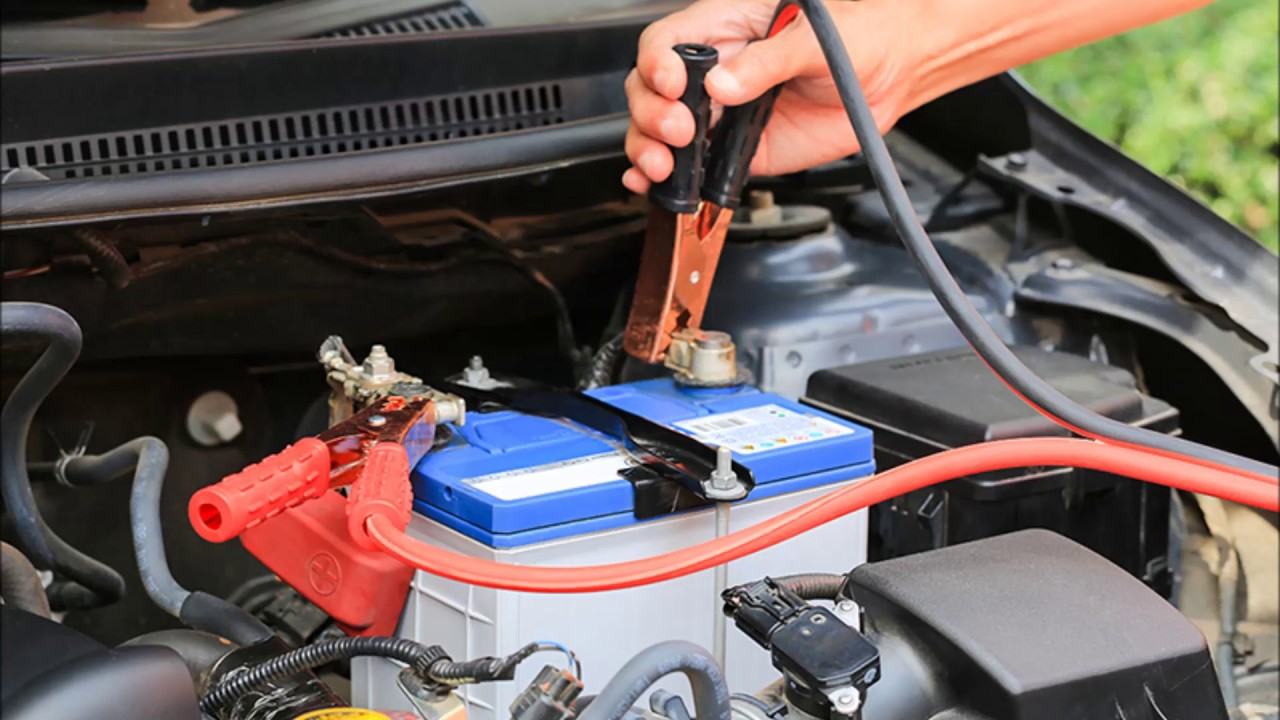
A jump start uses an external power source to provide the electricity needed to start a vehicle with a discharged battery. This may involve jumper cables connected to another suitable vehicle or a portable jump starter. The equipment must be compatible with the vehicle, and the connection process should follow the manufacturer's instructions. A Jump Start Service helps drivers receive this assistance without having to find another motorist nearby. Correct connections are important because reversing the cables or using unsuitable equipment can damage electrical components and create safety risks.
Why Professional Battery Assistance Matters
Jump-starting a car may appear simple, but mistakes can lead to serious problems. Incorrect cable placement, damaged battery terminals, or unsuitable power equipment can cause electrical damage. Some modern vehicles also have specific jump-start connection points and manufacturer instructions that must be followed. A professional Jump Start Service can help reduce these risks by using suitable equipment and following the correct procedure. This is particularly important for vehicles with advanced electronics, start-stop systems, or specialized battery arrangements.
Emergency Help at Home or on the Road
A dead battery can leave a driver stranded in a driveway, workplace parking lot, shopping center, or roadside location. Finding another vehicle and arranging jumper cables may not always be possible. Mobile battery assistance can bring the necessary equipment directly to the vehicle. A Jump Start Service is useful when drivers need help in places where a repair shop or mechanic is not immediately available. When requesting assistance, provide your exact location, vehicle make, model, and a description of what happens when you try to start the engine.
What to Do After Your Car Starts
Once the engine starts, avoid assuming that the battery problem has been completely solved. A discharged battery may need time to recharge, and a weak or damaged battery may lose power again shortly afterward. The charging system, alternator, and battery connections may also need inspection. After receiving a Jump Start Service, follow the vehicle manufacturer's recommendations and arrange a battery test if the problem is repeated. If warning lights remain on or the engine stops running, have the vehicle checked instead of continuing to drive without understanding the cause.
Choosing a Suitable Jump Start Provider
When looking for battery assistance, consider whether the provider has equipment suitable for your vehicle. Different cars may require different voltage ratings, connection methods, or starting procedures. Ask about service availability, estimated arrival time, and any additional charges before requesting help. A suitable Jump Start Service provider should explain what assistance is included and whether battery testing or replacement is available. Clear communication can make an already stressful situation easier to manage, especially when the vehicle has stopped working in an unfamiliar location.
Preventing Future Battery Problems
Regular battery care can reduce the chances of being stranded with a vehicle that will not start. Check battery terminals for corrosion, make sure connections are secure, and have the battery tested as it gets older. Avoid leaving electrical accessories running when the engine is switched off. If your car frequently needs a Jump Start Service, do not treat repeated jump-starts as a permanent solution. A mechanic should inspect the battery and charging system to find out whether the battery needs replacement or another electrical issue is draining its power.
A dead battery can interrupt important plans, but knowing how to respond makes the situation easier to handle. Drivers should avoid unsafe cable connections and seek suitable help when they are unsure how to start a vehicle safely. A Jump Start Service provides temporary starting power when a discharged battery prevents the engine from running. By paying attention to warning signs, maintaining the battery, and arranging proper testing when needed, drivers can reduce unexpected starting problems and keep their vehicles ready for everyday journeys.

