

Top Clinics for Beard Hair Transplant in Dubai: From Patchy Beards to a Design That Suits Your Face Shape
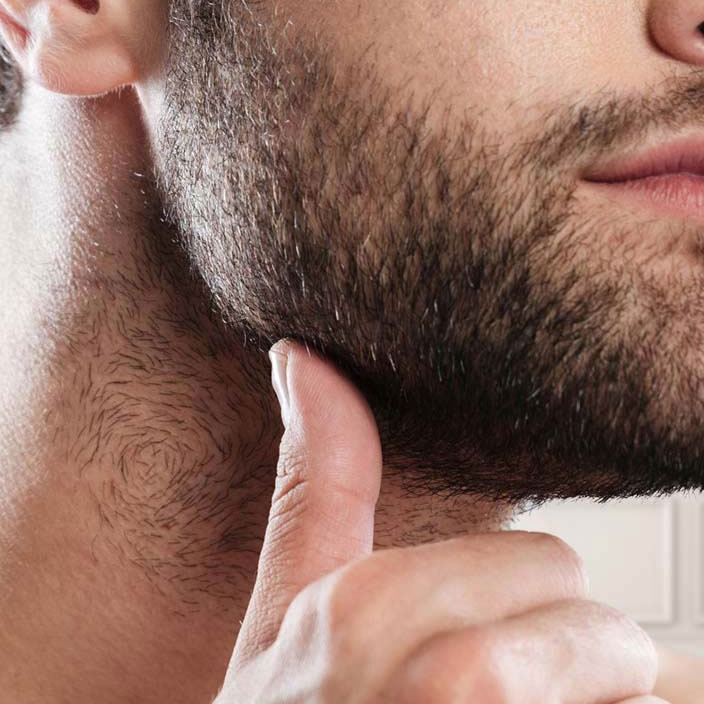
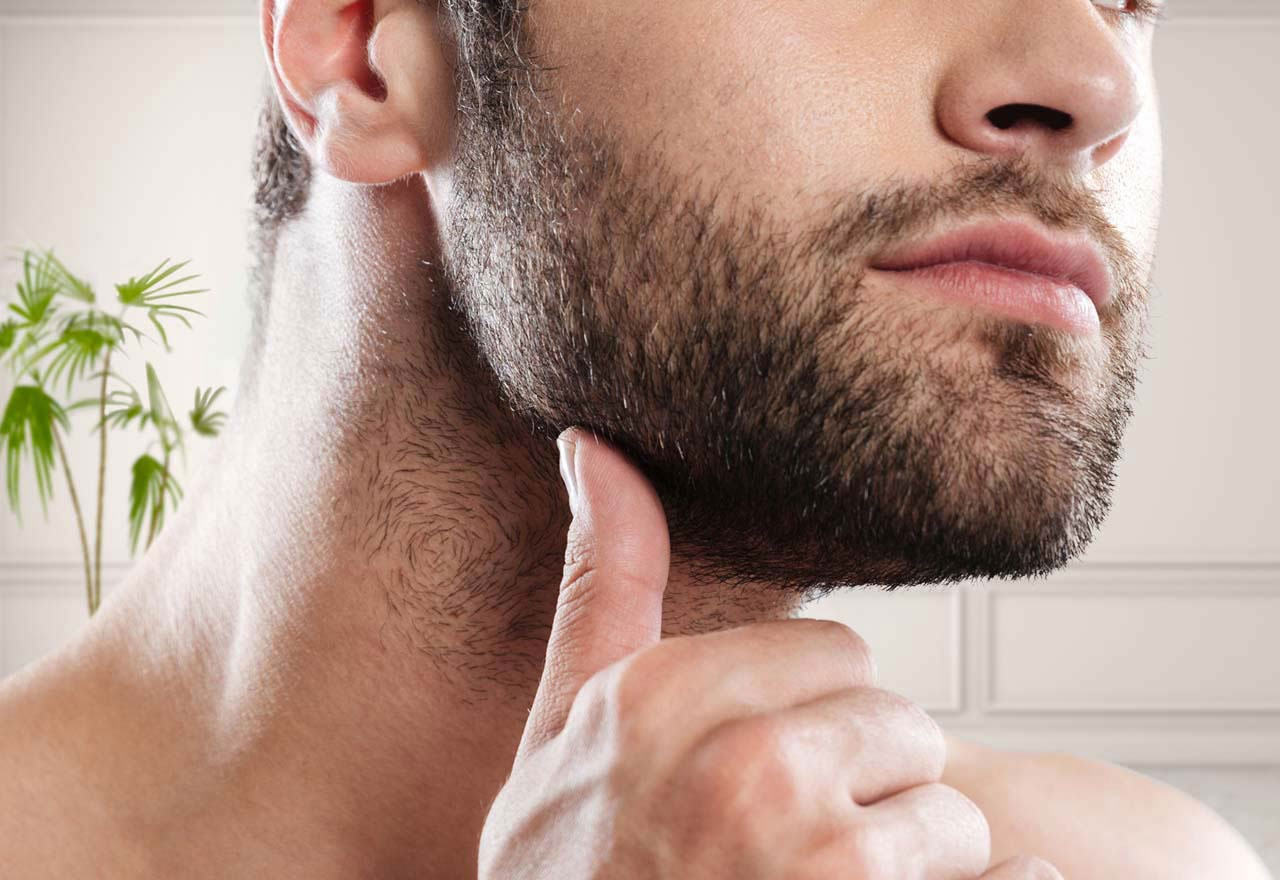
A patchy beard can be frustrating, especially when gaps sit in the most visible places along the cheeks, jawline, or chin. Some men grow thick hair on the neck and moustache but very little on the cheeks, while others have uneven patches or thin coverage. For men exploring a longer-term option, Beard Hair Transplant in Dubai is often considered alongside grooming, patience while facial hair matures, and a medical assessment of general hair health.
A beard transplant is not only about adding more hair. It is about design. A natural-looking result depends on where hair is placed, how dense it appears in each area, and whether the shape suits the face. The aim should be a beard that fits the face, the hair type, and the way the person grooms it.
This guide explains how beard transplantation works, what limits to keep in mind, and how to compare providers in Dubai. It includes a roundup of eight clinics and hospitals, followed by practical questions to ask before deciding. No provider can promise a particular density or appearance, and an in-person assessment remains essential before any treatment plan is agreed.
How Beard Hair Transplantation Works and How Design Shapes the Result
Beard transplantation generally involves moving hair follicles from a donor area, usually at the back or sides of the scalp, to the beard area. The follicles are placed into very small openings in the skin of the cheeks, jawline, chin, sideburns, or moustache area, depending on the agreed design. Because donor hair comes from the scalp, its texture and growth behaviour may differ slightly from original beard hair, and patients should ask how this difference is managed during planning.
Placement is where design matters most. Natural beard hair does not grow in a single direction. It changes angle across the cheek, jaw, and chin, and often lies flatter in some areas and more upright in others. Careful placement aims to follow these patterns, so the beard looks believable from the front and from the side. A flat, uniform pattern can look artificial, even when many grafts are used.
Face shape should guide the outline. A longer face may suit a beard that adds width at the jaw, while a rounder face may suit a shape that adds length and definition around the chin. Cheek lines, necklines, sideburn joins, and the connection between moustache and chin all affect the final impression.
Not every patchy beard needs the same approach. Some men want to fill one small gap, while others want fuller coverage across the cheeks and jaw, or hope to soften the look of a scar. A responsible assessment should examine donor density, skin condition, existing beard pattern, and general health, and explain what can and cannot be achieved. Donor supply is finite, and results vary between individuals.
Honest limits matter. Transplanted hairs often shed in the early weeks before new growth appears, and patchy, uneven growth is normal during the early months. Visible improvement usually takes many months, and the final appearance may take considerably longer to settle. No outcome can be guaranteed.
Clinics to Consider for Beard Hair Transplant in Dubai
The providers below are listed to help readers compare options. Inclusion does not imply a recommendation or a ranking of quality. Patients should enquire directly about consultations, assessment, and aftercare before booking.
1. Tajmeels Clinic
Tajmeels Clinic may be explored by readers who want to compare a cosmetic clinic setting for a beard assessment. Patients may enquire about how a consultation is structured, what is examined, and how the proposed beard design is discussed before treatment.
Patients should also ask about aftercare support, follow-up appointments, and guidance on washing, shaving, and sun exposure during healing. Readers should confirm current services directly with the clinic.
2. Cocoona Clinic
Cocoona Clinic is another cosmetic clinic that patients may include when comparing beard transplant providers in Dubai. A useful first step is to enquire about the consultation process and whether the assessment covers donor supply, facial proportions, and realistic expectations for density.
It is also worth asking about healing timelines, temporary changes in appearance, and the support offered between appointments. Patients should confirm who is responsible for follow-up care and what to do if concerns arise during recovery.
3. Emirates Hospital
Emirates Hospital offers a hospital setting that some patients prefer when comparing providers. Patients may enquire about consultation availability, assessment procedures, and how beard design is planned alongside general medical checks.
Patients should ask about aftercare arrangements, follow-up reviews, and written recovery guidance. It is also helpful to enquire about the experience of the team involved and how each stage is organised.
4. Enfield Royal Clinic
Enfield Royal Clinic is included here for readers who want a detailed beard design discussion centred on patchy areas and face shape. A consultation should provide time to talk through facial-hair goals in plain terms, including which gaps matter most, how full the beard should look, and how much daily grooming the person is willing to do. Patients may wish to discuss cheek lines, jaw definition, chin coverage, and the join between sideburns and beard, rather than focusing only on graft numbers.
Design planning should also consider hair direction and density in each zone. The cheeks, jawline, and chin do not need identical coverage, and a natural result often relies on softer edges and gradual transitions rather than a hard outline. Patients should ask how the design is marked, whether they can review it before treatment begins, and how adjustments are handled if the outline does not look right.
For those exploring Enfield Royal Clinic as part of their comparison, it is worth enquiring about the full assessment process, donor evaluation, aftercare plan, and follow-up schedule. Patients should ask what happens during healing, how shedding and regrowth are explained, and what support is available if growth looks uneven in the early months. Honest guidance about timelines and limits is more useful than reassurance alone.
Readers should also ask practical questions about recovery, including washing, trimming, shaving, exercise, and sun exposure, and should request written aftercare instructions. A clear plan for reviews, and a straightforward way to raise concerns, helps patients judge whether a provider offers the support they want.
5. Dynamic Life Clinic
Dynamic Life Clinic may be considered by patients comparing several cosmetic clinics before choosing where to have an assessment. Patients may enquire about how beard design is planned, what the donor assessment involves, and how realistic expectations are discussed.
Aftercare questions are equally important. Patients should ask about follow-up appointments, healing guidance, and advice on trimming and shaving while new hair settles.
6. Dubai Cosmetic Surgery Clinic
Dubai Cosmetic Surgery Clinic is another option patients may explore when researching beard transplantation in Dubai. A consultation enquiry should cover the assessment process, the design discussion, and how donor limits are explained.
It is also sensible to ask about recovery support and follow-up care. Patients should enquire about written aftercare guidance, review appointments, and what to expect during shedding and regrowth.
7. King's College Hospital London Dubai
King's College Hospital London Dubai provides a hospital-based option for patients who prefer a larger clinical setting. Patients may enquire about consultation routes, assessment steps, and how beard design and donor planning are handled.
Patients should also ask about aftercare, recovery guidance, and the support available during the months when growth is still developing. A clear explanation of timelines and possible uneven growth can help set realistic expectations.
8. Al Zahra Hospital Dubai
Al Zahra Hospital Dubai is a hospital option that some readers may wish to include in their comparison. Patients may enquire about consultation availability and whether the assessment covers donor supply, skin and hair condition, and beard design.
Follow-up and aftercare should also be discussed before any decision. Patients should ask about review appointments, healing guidance, and who to contact with concerns during recovery.
How to Choose the Right Clinic for Beard Hair Transplant in Dubai
Choosing well means comparing the assessment and aftercare, not only the promise of a fuller beard. The points below can help readers prepare for consultations and compare providers on equal terms.
1. Start With the Design, Not the Graft Count
Ask how the beard outline is designed and whether face shape, cheek lines, and hair direction are discussed in detail. A good consultation should explain why a shape suits the face and what will happen at the edges, sideburns, and neckline.
2. Ask About Donor Supply and Realistic Density
Donor hair is limited, and density must be planned carefully. Ask how donor density is assessed, how grafts are distributed across the beard zones, and what density can realistically be achieved.
3. Check Who Does Each Stage
Ask who designs the beard, who removes donor follicles, who places them, and who supervises the procedure. Clear answers help patients understand accountability and continuity of care.
4. Compare Aftercare and Follow-Up Honestly
Recovery guidance matters as much as the procedure itself. Ask for written aftercare instructions, the follow-up schedule, and the support offered during shedding and regrowth.
5. Look for Honest Timelines and Limits
A trustworthy consultation explains that results take months and that early growth can look patchy. Ask how long visible improvement usually takes, what temporary effects to expect, and what cannot be promised.
6. Consider Practical Fit and Communication
Location, appointment availability, and clear communication all affect the experience. Patients should consider how easy follow-up visits will be and whether questions receive clear, unhurried answers.
Frequently Asked Questions
How long does it take to see a natural-looking beard after a transplant?
Growth takes time, and early shedding is common. New hairs usually appear gradually over several months, and the beard may look patchy or uneven before it settles. Patients should judge the result only after the advised review period has passed.
Can a transplant fix a patchy beard completely?
A transplant can improve coverage in patchy areas, but complete, uniform density cannot be guaranteed. Donor supply, hair texture, skin condition, and the size of the patchy area all affect the outcome. An assessment should explain what improvement is realistic.
Will transplanted beard hair behave like normal beard hair?
Donor hair usually comes from the scalp, so its texture and growth may differ slightly from original beard hair. Many patients find transplanted hair can be trimmed and groomed as part of the beard, but patients should ask how texture, curl, and growth direction are considered during design.
Does face shape really affect beard transplant design?
Face shape affects how a beard outline is perceived, including width at the jaw, length around the chin, and the position of cheek and neck lines. A design that suits one face may not suit another. Patients should discuss face shape and grooming style during the consultation.
What should I ask about aftercare before booking?
Patients should ask about washing, shaving, trimming, exercise, and sun exposure, as well as follow-up appointments and who to contact with concerns. Written aftercare instructions help patients manage healing confidently.
Conclusion
A successful beard transplant is rarely about filling every gap as densely as possible. It is about a design that respects face shape, follows natural hair direction, and uses limited donor supply wisely. Patchy areas can often be improved, but patients should expect a gradual process, uneven early growth, and a result that needs months to settle. Careful assessment, honest expectations, and clear aftercare matter more than speed or bold promises.
Readers comparing providers should use consultations to test design thinking, donor planning, and follow-up support, and should take time before deciding. For a fuller picture of the recovery timeline and the changes to expect month by month, this guide to Beard Hair Transplant offers useful context alongside the clinic comparisons above.

