

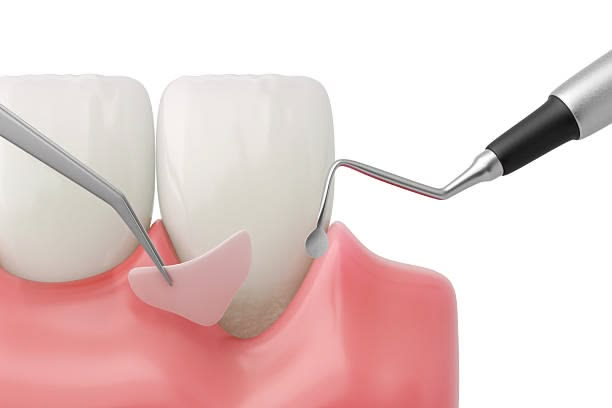

Healthy gums are essential for protecting natural teeth and maintaining a beautiful smile. They cover sensitive tooth roots, support the surrounding structures, and help prevent harmful bacteria from affecting oral health. However, when gum tissue begins to recede, the roots become exposed, increasing the risk of sensitivity and other dental concerns.
Gum recession can develop gradually due to aggressive brushing, periodontal disease, genetics, or other factors. If left untreated, it may affect both the appearance and health of your teeth.
Professional gum grafting is a periodontal procedure designed to restore lost gum tissue and provide additional protection to exposed roots. Patients considering Gum Grafting Treatment in Islamabad can consult an experienced dental professional to explore suitable treatment options and improve their gum health.
Understanding Exposed Tooth Roots
Tooth roots are normally protected by healthy gum tissue. Unlike the visible crown, roots do not have a protective enamel covering. Therefore, when gums recede, the exposed root surfaces can become sensitive to external factors.
People with exposed roots may experience discomfort while drinking cold beverages, eating sweet foods, or brushing their teeth. They may also notice that their teeth appear longer than before.
Common signs of exposed tooth roots include:
-
Increased sensitivity to hot and cold foods.
-
Visible root surfaces near the gumline.
-
Teeth appearing longer than usual.
-
Discomfort during brushing.
-
Changes in gumline appearance.
-
Food particles collecting around affected areas.
Recognizing these symptoms early can help prevent further complications.
What Causes Gum Recession?
Several factors can contribute to gum recession and exposed tooth roots. Understanding these causes is important for selecting appropriate treatment.
Aggressive Brushing
Brushing with excessive pressure or using a hard-bristled toothbrush can gradually damage delicate gum tissue. Gentle brushing with a soft-bristled toothbrush helps protect the gums.
Periodontal Disease
Gum disease is one of the common causes of gum recession. Bacterial infections can damage the tissues supporting teeth and contribute to the loss of gum coverage.
Genetic Factors
Some individuals naturally have thinner gum tissue, making them more vulnerable to recession even when they maintain good oral hygiene.
Poor Oral Hygiene
Inadequate cleaning can lead to plaque accumulation and gum inflammation. Without proper care, periodontal problems may develop.
Teeth Grinding
Repeated clenching and grinding can place excessive pressure on teeth and may contribute to dental complications.
Tobacco Use
Smoking and other tobacco products can negatively affect gum health and interfere with the body's natural healing process.
What Is Professional Gum Grafting?
Gum grafting is a periodontal procedure that involves placing additional tissue in areas where the gums have receded. The graft tissue may be taken from the roof of the patient's mouth, another suitable location, or an approved donor source.
The main purpose is to cover exposed tooth roots, improve gum thickness, and strengthen protection around vulnerable teeth.
The procedure can also improve the appearance of an uneven gumline. Before recommending treatment, the dentist evaluates gum recession, tissue thickness, and overall oral health.
Benefits of Gum Grafting for Exposed Tooth Roots
Professional gum grafting offers several functional and cosmetic benefits.
Provides Additional Root Protection
One of the primary benefits of gum grafting is covering exposed tooth roots with additional tissue. This helps protect vulnerable surfaces from external irritation.
Helps Reduce Tooth Sensitivity
Exposed roots may cause discomfort when consuming hot, cold, or sweet foods. Gum grafting may help reduce sensitivity by improving tissue coverage.
Restores a Natural Gumline
Gum recession can make teeth appear unusually long and create an uneven smile. Grafting can improve gumline symmetry and enhance overall appearance.
Supports Better Gum Health
Increasing gum tissue thickness in selected areas can improve protection around affected teeth and support periodontal health.
Improves Smile Confidence
Restoring lost gum coverage may improve the appearance of the smile and help patients feel more comfortable in social situations.
Different Types of Gum Grafting Techniques
Dentists may recommend different grafting techniques depending on the patient's gum condition and treatment requirements.
Connective Tissue Graft: This technique uses tissue collected from beneath the surface of the roof of the mouth. It is commonly performed to cover exposed tooth roots.
Free Gingival Graft: A small piece of tissue is taken from the roof of the mouth and attached to the affected gum area to increase tissue thickness.
Pedicle Graft: This method uses existing gum tissue near the affected tooth. The tissue is carefully repositioned to cover the exposed root.
Donor Tissue Graft: Processed donor tissue may be used in selected cases, avoiding the need to collect tissue from another area of the patient's mouth.
The dental professional selects the most appropriate technique after examining the affected gums.
What Happens During the Gum Grafting Procedure?
The treatment begins with a comprehensive dental examination. The dentist checks the severity of gum recession, evaluates surrounding teeth, and discusses the patient's dental history.
Local anesthesia is generally administered to minimize discomfort. The selected graft tissue is then carefully positioned over the affected area and secured with small sutures.
The duration of treatment depends on the number of teeth involved and the complexity of the procedure.
After surgery, patients receive instructions about eating, oral hygiene, medication, and follow-up appointments.
Recovery and Aftercare Recommendations
Following the dentist's instructions is essential for protecting the graft and supporting proper healing.
Important recommendations include:
-
Eat soft foods during the initial healing period.
-
Avoid hard, crunchy, and spicy foods if they irritate the treated area.
-
Do not touch or disturb the grafted tissue.
-
Avoid smoking and tobacco products.
-
Follow professional brushing and flossing instructions.
-
Take prescribed medication as directed.
-
Attend scheduled dental appointments.
Some swelling, tenderness, and mild discomfort are common during recovery. However, severe pain, excessive bleeding, fever, or signs of infection should be reported to the dentist.
How to Prevent Further Gum Recession
Although gum grafting can restore lost tissue, maintaining healthy gums is important for protecting long-term results.
Patients should brush gently with a soft-bristled toothbrush, floss regularly as advised, and schedule routine dental examinations. Treating gum disease early and avoiding tobacco products can also help maintain periodontal health.
People who grind their teeth should discuss appropriate protective options with their dentist.
Conclusion
Exposed tooth roots can cause sensitivity, affect smile appearance, and increase the need for professional dental care. Gum grafting offers an effective option for restoring lost tissue and improving protection around vulnerable teeth.
With proper diagnosis, professional treatment, and consistent oral hygiene, patients can improve gum coverage and maintain healthier natural teeth. Consulting a qualified dental professional is the first step toward choosing the right treatment for your oral health needs.
Frequently Asked Questions (FAQs)
1. What is Gum Grafting Treatment in Islamabad?
Gum Grafting Treatment in Islamabad is a periodontal procedure that restores lost gum tissue, covers exposed tooth roots, and improves protection around affected teeth.
2. Can Gum Grafting Treatment in Islamabad help with tooth sensitivity?
Yes, Gum Grafting Treatment in Islamabad may help reduce sensitivity by covering exposed tooth roots and providing additional protection to vulnerable areas.
3. Who is suitable for Gum Grafting Treatment in Islamabad?
People with receding gums, exposed tooth roots, thin gum tissue, or an uneven gumline may be suitable candidates after a professional dental examination.
4. How long do results from Gum Grafting Treatment in Islamabad last?
Results can be long-lasting with proper oral hygiene, regular dental checkups, and management of factors that contribute to gum recession.
For more information visit
Enfield royal clinic in islamabad

