

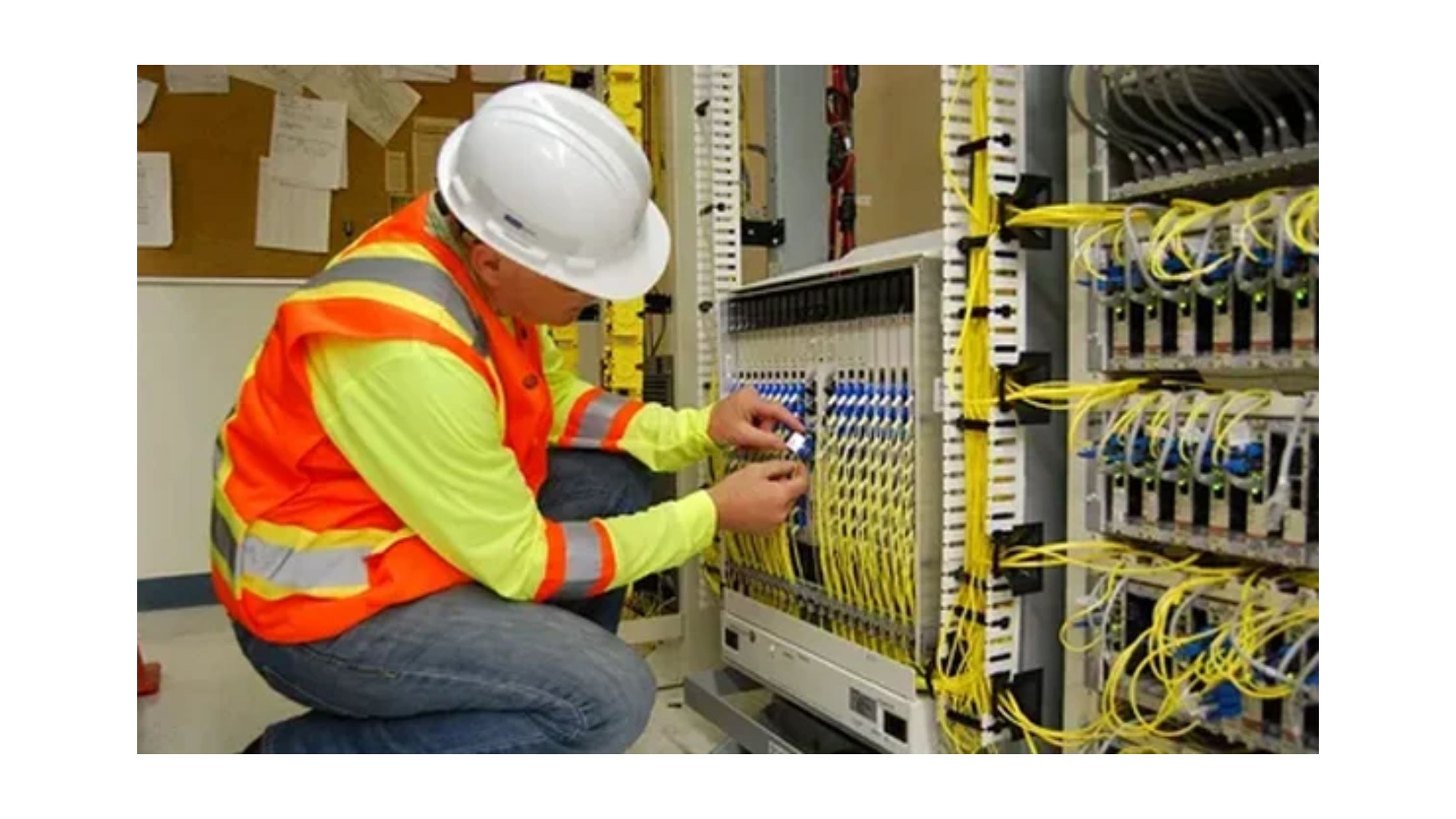

Unexpected electrical failures can stop production before teams have time to react. Planned industrial electrician services help facilities address warning signs, protect equipment, and keep operations moving. The aim is not only to restore power after a fault, but to make reliability part of everyday maintenance.
An experienced Industrial electrical contractor can assess distribution, controls, machinery connections, and future loads before small issues become costly interruptions. Complex sites may also need heavy industrial electrical contractors who coordinate safety and work schedules with plant personnel.
What warning signs suggest electrical problems are affecting uptime?
Repeated breaker trips, flickering lights, hot components, unusual motor behavior, or unexplained shutdowns deserve attention. These symptoms may indicate worn connections, overloaded circuits, aging equipment, or a system that no longer matches production demand.
Record when a fault occurs, which equipment is affected, and what the production line was doing. This history helps technicians investigate likely causes and prioritize repairs.
How can planned maintenance reduce costly interruptions?
Reactive repairs are sometimes unavoidable, but a run-to-failure approach gives teams little control over timing. Planned inspections help identify developing issues, source parts, and schedule work outside peak production hours.
ABB's 2023 global survey of 3,215 plant maintenance decision-makers found that more than two-thirds of industrial businesses experienced unplanned outages at least monthly. Reported costs for a typical industrial business were close to $125,000 per hour. This is a global survey finding, not a prediction for every facility.
Which electrical components deserve regular attention?
Inspection priorities vary by facility, but often include distribution panels, feeders, grounding, machinery connections, protective devices, motor controls, and high-use lighting. Motors and controls should be checked against manufacturer guidance and operating conditions.
A qualified electrician can identify damage, deteriorated connections, capacity concerns, and signs of heat or recurring faults. Testing should follow applicable codes and safe-work procedures. Staff should not open energized equipment unless trained and authorized.
Can electrical upgrades improve energy use and reliability?
An upgrade may solve more than an immediate fault. Properly sized distribution equipment can support added machinery, while suitable motor controls help equipment match process demand. LED high-bay lighting and smart controls can improve visibility and reduce wasted energy.
Start with actual loads, equipment specifications, and growth plans. A variable-frequency drive is not a universal fix; it must suit the motor and application. A site-specific review is more useful than replacing equipment based on age alone.
How can electrical work cause less disruption to production?
Define which systems need work, what areas will be affected, and when equipment can be safely taken offline. Supervisors and technicians should agree on access, shutdown windows, temporary arrangements, and restart requirements.
For larger projects, drawings, load calculations, required permits, and commissioning checks help prevent surprises. Lockout/tagout and suitable arc-flash precautions are essential when applicable. Worker safety comes first, while careful scheduling helps limit avoidable delays.
What role do motor controls and automation play?
Industrial facilities use controls to start, stop, and coordinate machinery. Faults involving motor-control panels, programmable logic controllers, variable-frequency drives, or related wiring can interrupt linked operations rather than one machine alone.
Plan changes around how equipment works together. Document settings and verify safety interlocks after repairs to make future troubleshooting easier. When automation connects with existing machinery, electricians should coordinate with facility engineers instead of treating each component as an isolated fix.
When should a facility seek specialized electrical support?
Specialized help is useful for heavy machinery hookups, three-phase distribution, panel or feeder upgrades, new construction, control-system changes, or work in continuously operating facilities. These projects require attention to electrical loads, equipment specifications, applicable codes, and work sequencing.
Before hiring a contractor, ask about relevant experience, local licensing, safety practices, testing, documentation, and warranty terms. A clear scope and realistic shutdown plan demonstrate an understanding of operational needs.
How can electrical reliability become part of daily operations?
Include electrical checks in scheduled maintenance instead of waiting for faults. Track recurring issues, repairs, inspection findings, and equipment changes. Reviewing these records with operations staff can reveal patterns and help teams plan upgrades before demand exceeds system capacity.
Morgan Master Electrician Company serves industrial facilities in Western North Carolina and Upstate South Carolina, offering equipment hookups, distribution upgrades, controls, lighting, and emergency electrical service. Businesses considering industrial electrician services, an Industrial electrical contractor, or heavy industrial electrical contractors can request a site assessment to discuss current concerns and future electrical needs.

