

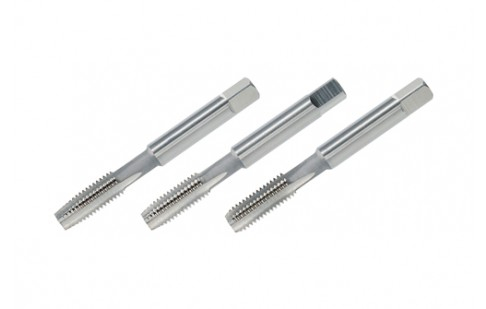
Selecting Suitable Volkel Threading Solutions for Internal and External Threading

Threading is an essential machining process used in manufacturing, metalworking, automotive, and engineering industries. It involves creating helical grooves on the inside or outside of a component to produce threaded connections. These connections allow different parts to fit together securely and support the proper functioning of mechanical assemblies. However, achieving accurate threads requires suitable tools, correct machining techniques, and proper material selection. Choosing appropriate Volkel threading solutions can help workshops maintain thread quality, improve machining efficiency, and achieve consistent production results.
Understanding Internal and External Threading
Internal and external threading serve different purposes in industrial applications. Internal threading involves creating threads inside a drilled hole, allowing components such as bolts or threaded fasteners to fit securely. Taps are commonly used for this operation.
External threading creates threads on the outer surface of cylindrical components such as rods, shafts, and bolts. Dies and other specialised threading tools are commonly used for these applications.
Understanding the difference between these processes helps workshops select tools according to their machining requirements. The thread diameter, pitch, profile, and required tolerances should be considered before choosing any threading equipment.
Selecting the Right Tool for the Material
Workpiece material is an important factor when selecting threading tools. Different materials have different hardness levels, cutting characteristics, and machining requirements.
For example, aluminium is relatively soft and may require tools with suitable cutting geometry to prevent material build-up. Stainless steel requires appropriate tooling to manage heat generation and cutting resistance. Carbon steel also requires consideration of its grade and hardness.
Before purchasing Volkel threading solutions, workshops should identify the materials they regularly process. Selecting tools designed for the intended material helps improve cutting performance, maintain thread accuracy, and reduce premature tool wear.
Considering Thread Specifications and Dimensions
Every threading application has specific dimensional requirements. Thread pitch, diameter, depth, and profile determine whether two threaded components will fit together correctly.
Industrial buyers should check the required thread standards, including metric and imperial specifications, before selecting tools. Choosing an incorrect thread pitch or diameter can result in poor fitting and damaged components.
The required tolerance level should also be considered, particularly in applications involving precision machinery and mechanical assemblies. Matching tool specifications with component requirements helps achieve consistent threading results.
Evaluating Tool Material and Durability
Threading tools experience continuous contact with the workpiece during machining. Their construction material and cutting edge quality directly influence performance and service life.
High-speed steel tools are commonly used for different general-purpose threading applications because of their strength and versatility. Carbide tooling may also be suitable for specific high-production machining requirements.
Buyers should compare tool specifications, material composition, surface treatments, and recommended operating conditions. Durable tools can help reduce frequent replacements and support uninterrupted workshop operations.
Machine Compatibility and Operating Conditions
Before selecting threading equipment, workshops should confirm compatibility with their existing machines and tool-holding arrangements. Tool dimensions, machine capacity, and the intended threading method must be evaluated.
Cutting speed, feed rate, lubrication, and proper alignment also influence thread quality. Following recommended operating conditions helps reduce excessive friction, tool damage, and machining errors.
For manual threading applications, technicians should use appropriate handling techniques to maintain alignment and avoid applying excessive force.
Importance of Reliable Supplier Support
Choosing the right supplier is equally important when purchasing specialised threading equipment. Buyers should consider product availability, technical information, pricing, and assistance with product selection.
A knowledgeable supplier can help workshops compare different threading tools and understand their suitability for specific applications. Access to genuine products and clear technical specifications also supports better purchasing decisions.
Conclusion
Selecting suitable threading tools requires attention to material compatibility, thread dimensions, tool durability, machine requirements, and operating conditions. By evaluating these factors, workshops can choose appropriate Volkel threading solutions for internal and external threading applications. The right equipment helps improve thread accuracy, reduce machining errors, and maintain consistent results across different industrial operations.

