

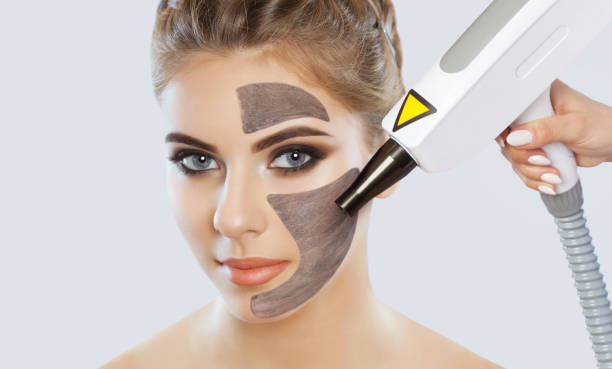

People with darker skin tones may have specific considerations when choosing laser-based cosmetic treatments. Their skin can be more prone to post-inflammatory hyperpigmentation after irritation or injury, making treatment selection and aftercare especially important. Spectra Laser Carbon Peeling in Dubai may be discussed for selected surface concerns, but suitability should never be assumed based on the treatment name alone.
A careful assessment helps determine whether the procedure is appropriate, which settings may be considered, and what precautions are necessary. Understanding these factors supports informed decisions and realistic expectations.
Why Skin Tone Matters in Laser Treatments
Melanin gives skin its natural colour and also influences how it responds to certain wavelengths of light. In some laser procedures, pigment within the skin can absorb energy, which may increase the risk of unwanted heating or irritation.
Darker skin tones can be more susceptible to post-inflammatory hyperpigmentation after procedures that cause inflammation. This does not mean that every laser treatment is unsuitable. It means that device selection, settings, practitioner experience, and patient history matter.
Understanding Post-Inflammatory Hyperpigmentation
Post-inflammatory hyperpigmentation is a dark mark that develops after skin inflammation or injury. It may follow acne, eczema, burns, or cosmetic procedures.
The risk can be influenced by:
-
Natural skin tone and individual pigmentation response
-
Previous dark marks after irritation
-
Treatment intensity and technique
-
Existing inflammation or skin barrier damage
-
Sun exposure during recovery
-
Inadequate or unsuitable aftercare
A practitioner should review these factors before recommending a procedure.
How Spectra Laser Carbon Peeling in Dubai Works
Carbon peeling uses a topical carbon preparation followed by laser application. The laser interacts with the carbon layer, helping remove the applied particles and some associated surface material.
The procedure is commonly considered for selected cosmetic concerns such as excess oil, visible pores, mild congestion, and dullness.
Why the Carbon Layer Matters
The topical carbon preparation is part of the treatment protocol. It provides a surface target for the laser, but it does not eliminate every risk associated with laser exposure.
The device, wavelength, settings, number of passes, and practitioner technique all influence the treatment. Patients should ask about the specific equipment and protocol rather than assume every carbon peel is identical.
Is Carbon Peeling Automatically Safe for Darker Skin?
No cosmetic laser procedure should be described as universally safe for every skin tone. Although some carbon-peel protocols may be considered for a range of skin types, individual suitability depends on the patient's skin condition and medical history.
Factors Reviewed Before Spectra Laser Carbon Peeling in Dubai
A practitioner should consider:
-
Skin tone and history of pigmentation changes
-
Previous laser or chemical peel reactions
-
Active acne, eczema, or irritation
-
Recent tanning or significant sun exposure
-
Current prescription and skincare products
-
History of scarring or delayed healing
If the skin is inflamed or the patient has recently undergone another intensive procedure, treatment may need to be postponed.
Choosing an Experienced Laser Practitioner
Experience with different skin tones is an important part of treatment planning. A qualified practitioner should understand how skin pigmentation and inflammation can influence the risk of side effects.
Patients can ask the clinic:
-
Which laser device and treatment mode will be used?
-
What experience does the practitioner have with similar skin types?
-
How are treatment settings selected?
-
What side effects should be expected?
-
What steps are taken if pigmentation develops?
-
What aftercare is recommended?
Clear answers help patients understand the procedure and make an informed choice.
Preparing the Skin Before Treatment
Preparation may reduce avoidable irritation and help the practitioner assess the skin accurately.
Before the appointment, patients should:
-
Share their medical and skincare history.
-
Mention previous pigmentation after procedures.
-
Disclose prescription medication and active skincare products.
-
Follow instructions about pausing retinoids or exfoliating acids.
-
Avoid unnecessary tanning or intense sun exposure.
-
Report any active rash, infection, or skin irritation.
Patients should not stop prescribed medication without advice from the prescribing clinician.
Aftercare for Darker Skin Tones
Aftercare is particularly important for patients who are prone to post-inflammatory pigmentation. The skin should be protected while it recovers.
General guidance may include:
-
Cleanse gently using a non-abrasive product.
-
Apply a suitable moisturiser.
-
Use broad-spectrum sunscreen consistently.
-
Avoid picking, scrubbing, or rubbing the treated area.
-
Delay strong exfoliants until the practitioner advises.
-
Follow instructions about heat exposure and physical activity.
If persistent darkening, blistering, significant discomfort, or unexpected inflammation develops, patients should contact their treating clinic promptly.
What Results Should Patients Expect?
Carbon peeling may help improve the appearance of selected surface concerns, including oiliness, mild congestion, and dullness. The degree of improvement varies according to skin characteristics and the treatment protocol.
It does not permanently close pores, guarantee an even skin tone, or eliminate the possibility of future pigmentation. Patients seeking treatment for melasma, deep scars, or significant discoloration may need a different approach.
Clinic Note: Darker skin tones are not automatically unsuitable for laser procedures, but individual risk assessment is essential. Patients should choose a practitioner who understands pigmentation risks and can explain the device, settings, and recovery plan clearly.
Frequently Asked Questions
Can darker skin undergo Spectra Laser Carbon Peeling in Dubai?
Some patients may be suitable, but treatment should follow an individual assessment of skin tone, sensitivity, medical history, and pigmentation risk.
Does darker skin have a higher risk of pigmentation after laser treatment?
Some darker skin types are more prone to post-inflammatory hyperpigmentation after inflammation or injury. Risk varies with the procedure, settings, and individual response.
Should treatment be performed on recently tanned skin?
Recent tanning or significant sun exposure should be discussed with the practitioner. Treatment may need to be delayed depending on the skin's condition.
Can carbon peeling cause dark marks?
Temporary or persistent pigmentation changes are possible with skin procedures, particularly if irritation occurs. Appropriate selection and aftercare can help manage risk but cannot eliminate it entirely.
Is a patch test always required?
Requirements vary by device and clinical protocol. Patients should ask whether a test area or other precaution is appropriate for their circumstances.
Make Skin Safety Part of Your Treatment Decision
Choosing a cosmetic laser treatment should involve more than comparing advertised benefits. Skin tone, previous reactions, treatment settings, and practitioner experience all influence suitability.
Patients considering Spectra Laser Carbon Peeling in Dubai can speak with Tajmeels Clinic about their skin concerns and medical history. A professional assessment can help determine whether carbon peeling is appropriate and explain the precautions needed for a considered treatment plan.

