

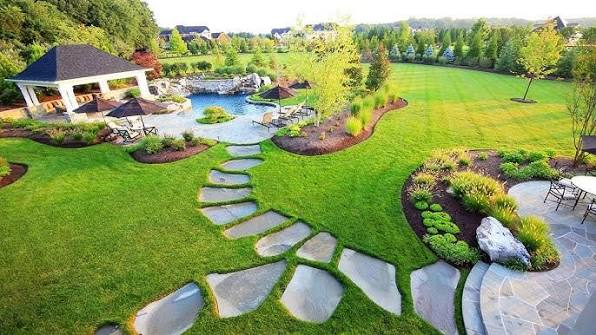
Lawn and Garden: Practical Tips for Maintaining a Healthy and Beautiful Outdoor Space

A well-maintained outdoor space adds beauty, comfort, and functionality to any property. Whether you have a small backyard, a spacious lawn, flower beds, or a vegetable garden, regular care helps keep the area attractive and enjoyable throughout the year. From trimming grass and managing weeds to caring for plants and maintaining outdoor equipment, every task contributes to a healthier landscape.
Maintaining your Lawn and Garden does not have to be complicated. With the right supplies, useful tools, and a consistent maintenance routine, homeowners can handle many outdoor projects more efficiently. Understanding basic lawn care, soil preparation, watering, plant maintenance, and pest prevention can help you make better decisions for your property.
Why Regular Lawn and Garden Maintenance Matters
Outdoor areas are constantly exposed to changing weather, sunlight, rainfall, foot traffic, and seasonal growth. Without regular attention, grass may become uneven, garden beds can collect weeds, and plants may struggle because of poor soil or inconsistent watering.
Routine maintenance helps identify small problems before they become more difficult to manage. Removing unwanted weeds early, checking irrigation equipment, trimming overgrown plants, and cleaning outdoor spaces can make ongoing care more manageable.
A well-planned maintenance routine also helps you use gardening supplies more effectively. Instead of purchasing products without a clear purpose, you can select tools and materials based on the actual needs of your lawn, garden beds, trees, and outdoor areas.
Understanding Your Lawn's Basic Needs
A healthy lawn requires suitable soil conditions, appropriate watering, regular mowing, and attention to seasonal changes. The exact requirements depend on the grass variety, climate, soil type, and amount of sunlight the area receives.
Choosing the Right Grass
Different grass varieties perform better under different growing conditions. Some types are suited to warmer climates, while others are adapted to cooler temperatures. Sun exposure, shade, foot traffic, and maintenance expectations should all influence your selection.
Before establishing a new lawn or replacing damaged sections, identify the conditions in your yard. A grass variety that performs well in full sunlight may not be suitable for an area with heavy shade. Selecting an appropriate type can reduce future maintenance challenges.
Maintaining Proper Mowing Habits
Regular mowing helps maintain an even lawn and prevents grass from becoming excessively tall. However, cutting grass too short can stress the plants and expose the soil to additional sunlight.
Use a suitable mower setting for your grass type and avoid removing too much of the grass blade at one time. Sharp mower blades also help create cleaner cuts than dull blades, which can tear grass and leave an uneven appearance.
Managing Lawn Edges
Edges around walkways, driveways, garden beds, and fences can make a lawn look more organized. Trimming these areas periodically helps maintain clear boundaries between grass and other landscape features.
Depending on the size of the property, suitable edging tools or trimmers can make this task easier. Always use equipment according to the manufacturer's instructions and wear appropriate protective gear.
Soil Preparation: The Foundation of a Healthy Garden
Healthy plants begin with suitable soil. Soil provides physical support, water, and nutrients that plants need to grow. Its texture, drainage, organic matter, and nutrient levels can influence how successfully a garden develops.
Understand Your Soil Type
Soil can vary considerably from one property to another. Sandy soil generally drains quickly, while clay-heavy soil may hold more moisture and become compacted. Loamy soil often provides a balance of drainage and moisture retention.
Observing how water moves through your garden and how the soil behaves when wet can provide useful clues. A soil test can offer more detailed information about pH and nutrient levels, helping you make better decisions about amendments.
Improve Soil with Organic Matter
Compost and other suitable organic materials can help improve soil structure and support healthy plant growth. Depending on the existing soil condition, adding organic matter may improve moisture retention in sandy soil or help improve the structure of heavier soil.
Use amendments appropriate for the plants and growing conditions. Adding excessive fertilizer or soil products without understanding the soil's needs may create unnecessary problems.
Prepare Garden Beds Before Planting
Before planting flowers, vegetables, or shrubs, remove weeds, stones, and unwanted debris from the area. Loosen compacted soil where appropriate and incorporate suitable amendments based on the condition of the ground.
Planning the layout before planting also helps you provide enough space for mature plants. Consider sunlight requirements, root growth, access for watering, and the distance between different plant varieties.
Choosing Plants for Your Outdoor Space
Plant selection is one of the most important parts of garden planning. The right plants can create color, provide shade, attract pollinators, and make outdoor areas more inviting.
Flowers and Decorative Plants
Flowers add visual interest through different colors, shapes, and blooming periods. When selecting flowering plants, consider the amount of sunlight available, soil conditions, water requirements, and local growing season.
Combining plants with different flowering times can help maintain visual interest across more of the year. Choose varieties that suit the space rather than selecting plants based only on their appearance at the garden center.
Shrubs and Small Trees
Shrubs and small trees can provide structure, privacy, shade, and natural boundaries. Before planting, consider their mature size, root development, and distance from buildings, walkways, and underground utilities.
Regular pruning may be necessary to remove damaged branches and maintain the desired shape. Use suitable pruning tools and follow recommendations for the particular plant species.
Vegetable and Herb Gardens
Growing vegetables and herbs can make a garden more productive as well as attractive. Start by selecting crops suited to your climate and available growing space.
Consider sunlight, soil quality, watering needs, and spacing when arranging plants. Containers and raised beds can be useful options when ground space is limited or existing soil conditions are unsuitable.
Watering Techniques for Lawns and Gardens
Water is essential for plant growth, but the amount and frequency required vary depending on the plant type, weather, soil, and stage of growth. Overwatering can create problems just as easily as underwatering.
Water According to Plant Requirements
Lawns, shrubs, flowers, and vegetable plants may have different watering needs. Newly planted areas often require closer attention while roots become established, whereas established plants may need a different watering schedule.
Check the soil before watering instead of following a fixed schedule without considering current conditions. Rainfall, temperature, and soil drainage can all influence how much additional water is necessary.
Use Suitable Watering Equipment
Garden hoses, spray nozzles, sprinklers, watering cans, and irrigation accessories can make outdoor watering more convenient. Choose equipment based on the size and layout of your property.
A hose with an adjustable nozzle may be useful for different watering tasks, while sprinklers can help cover larger lawn areas. Drip irrigation can provide targeted water delivery to suitable garden beds and planted areas.
Reduce Unnecessary Water Loss
Watering at appropriate times and using suitable delivery methods can help reduce evaporation. Mulch around suitable plants can also help conserve soil moisture and reduce weed growth.
Check hoses, connectors, and irrigation lines periodically for leaks or damage. Repairing small problems can prevent water waste and improve the consistency of your watering system.
Weed Control and Garden Bed Maintenance
Weeds compete with desirable plants for water, light, nutrients, and growing space. They can also make garden beds and lawn edges look untidy if left unmanaged.
Identify Weeds Before Treating Them
Different weeds require different management approaches. Some are annual plants that complete their life cycle within one growing season, while others are perennial and may return from established roots or underground structures.
Correct identification helps you choose a suitable control method. Pulling or digging may work for some weeds, while others may require a product specifically labeled for the intended application.
Use Mulch Where Appropriate
Mulch can help reduce weed growth, moderate soil temperature, and conserve moisture in garden beds. Organic mulch materials may include wood chips, bark, or other suitable plant-based materials.
Apply mulch according to plant requirements and avoid piling it directly against tree trunks or plant stems. Excessive mulch can create moisture and ventilation problems around the base of plants.
Maintain Garden Borders
Garden borders help separate planting areas from lawns, paths, and other outdoor surfaces. Keeping these edges clear can make mowing, trimming, and general cleanup easier.
Remove unwanted growth periodically and inspect border materials for movement or damage. A well-maintained layout can make the entire garden appear more organized.
Fertilizers and Plant Nutrition
Plants need nutrients to support growth, flowering, and other biological processes. Fertilizers provide nutrients in different formulations, but the correct product and application rate depend on the plant, soil, and growing conditions.
Understand Fertilizer Labels
Fertilizer labels commonly display three primary nutrient values representing nitrogen, phosphorus, and potassium. These nutrients support different aspects of plant development, and the appropriate balance varies according to the application.
Read the label carefully and follow the recommended application rate. Applying more fertilizer than required does not necessarily improve growth and may damage plants or contribute to nutrient runoff.
Consider Slow-Release Options
Some fertilizers release nutrients over an extended period, while others provide nutrients more quickly. The right option depends on the plant's needs, product formulation, and maintenance plan.
Before applying fertilizer, consider conducting a soil test when appropriate. This can help identify nutrient deficiencies and avoid unnecessary applications.
Managing Lawn and Garden Pests
Insects and other pests can damage grass, flowers, shrubs, and vegetable plants. However, not every insect is harmful. Some insects contribute to pollination or help control other pest populations.
Inspect Plants Regularly
Look for unusual leaf damage, discoloration, holes, webbing, or changes in plant growth. Inspecting plants regularly can help identify problems while they are still manageable.
Choose an Appropriate Control Method
Depending on the pest and level of damage, control methods may include removing affected plant parts, using physical barriers, improving garden hygiene, or applying a suitable pest-control product.
When using pesticides or other treatment products, identify the target pest first and read the full label. Follow all application rates, protective equipment requirements, environmental precautions, and restrictions involving people, pets, plants, and water. Never use a product outside its labeled application.
Essential Tools for Lawn and Garden Work
Having the right equipment makes regular outdoor maintenance more convenient. A basic collection of tools can support a variety of jobs without requiring specialized equipment for every task.
- Garden gloves: Help protect hands during planting, cleanup, and general maintenance.
- Pruning shears: Useful for trimming suitable small stems and branches.
- Shovels and spades: Help with digging, planting, and moving soil.
- Rakes: Useful for collecting leaves and spreading certain materials.
- Garden hoses and nozzles: Support watering and general outdoor cleaning.
- Sprinklers: Help distribute water across suitable lawn and garden areas.
- Wheelbarrows: Make it easier to move soil, mulch, leaves, and other materials.
- Spreaders: Help distribute suitable granular products according to label directions.
- Lawn mowers and trimmers: Support regular grass maintenance and edge control.
Choose tools according to the size of your property and the tasks you perform most often. Clean equipment after use and store it in a dry, organized location to help maintain its condition.
Seasonal Lawn and Garden Maintenance
Outdoor maintenance requirements change throughout the year. Adjusting your routine according to local weather and plant growth patterns can help keep your property in better condition.
Spring Preparation
As growing conditions improve, inspect garden beds, remove accumulated debris, check outdoor equipment, and prepare areas for new planting. Review the condition of your lawn and address bare patches or compacted areas where appropriate.
Summer Care
Warmer weather can increase water requirements for lawns and plants. Monitor soil moisture, inspect irrigation equipment, and remove weeds before they spread. Avoid unnecessary stress on grass during periods of extreme heat.
Fall Cleanup
Falling leaves can cover grass and collect in garden beds. Rake or remove excessive debris as needed, clean tools, and prepare suitable plants for changing temperatures.
Winter Maintenance
In colder regions, protect vulnerable plants according to their requirements and store equipment properly. In milder climates, continue monitoring weeds, drainage, and plant health while adjusting maintenance to slower growth.
How to Plan a Lawn and Garden Project
Whether you are creating a new garden bed or improving an existing lawn, planning helps prevent unnecessary purchases and delays.
- Assess the outdoor space: Identify lawn areas, planting beds, trees, shaded sections, and areas that need improvement.
- Set clear goals: Decide whether the priority is grass maintenance, new planting, better watering, pest management, or general cleanup.
- Measure the area: Estimate the amount of soil, mulch, seed, or other materials required.
- Choose suitable supplies: Match tools and products to the actual job and follow product specifications.
- Prepare a maintenance schedule: Divide larger jobs into manageable tasks throughout the season.
- Review results: Observe plant health, soil moisture, and lawn condition, then adjust the routine when necessary.
Common Lawn and Garden Mistakes to Avoid
Many outdoor maintenance problems happen because tasks are performed without considering the specific needs of the property. Avoiding these mistakes can make your routine more effective.
- Watering too frequently: Excess water can contribute to poor root conditions and other plant problems.
- Mowing grass too short: Cutting too much at once can stress the lawn.
- Applying excessive fertilizer: Always follow product instructions and use nutrients according to actual plant and soil requirements.
- Ignoring soil condition: Poor drainage, compaction, and unsuitable pH can affect plant growth.
- Using the wrong pest treatment: Identify the problem and select only products labeled for the intended use.
- Neglecting tools: Dirty or damaged equipment can make maintenance less efficient and may create safety risks.
- Planting without considering mature size: Crowded plants may compete for light, water, and space as they grow.
Keep Your Outdoor Space Organized and Well Maintained
A clean and organized garden is easier to maintain. Store frequently used tools together, keep fertilizers and other garden products in their original labeled containers, and follow the manufacturer's storage instructions. Keep chemicals and sharp equipment secured away from children and pets.
It is also helpful to maintain a simple record of planting dates, fertilizer applications, watering changes, and recurring pest issues. These notes can help you understand what works well and make better decisions for future seasons.
Explore Lawn and Garden Supplies at NYLA Worldwide
Having access to appropriate outdoor maintenance products makes it easier to care for lawns, plants, and garden spaces. NYLA Worldwide's lawn and garden department includes products for outdoor maintenance, including lawn-care and pest-management solutions such as BioAdvanced Season Long Grub Control Granules.
Before choosing any product, consider the specific problem you are trying to solve, the area where it will be used, and the manufacturer's instructions. Select supplies that match your property's needs rather than purchasing items without a clear purpose.
Whether you are maintaining grass, improving garden beds, managing outdoor pests, or preparing for a new planting project, explore the Lawn and Garden selection at NYLA Worldwide to find products for your outdoor maintenance needs. With suitable supplies, regular care, and thoughtful planning, you can create an outdoor space that remains functional, attractive, and enjoyable throughout the year.

