

Seashore Ace: A Convenient Destination for Hardware, Home Repairs, and Everyday Essentials

Maintaining a home or commercial property involves a variety of projects, from fixing everyday problems to planning renovations and improving outdoor spaces. Having access to the right hardware, tools, building materials, and household supplies makes these tasks easier to organize. Whether you are replacing a damaged door component, upgrading storage, working on a DIY project, or preparing for seasonal maintenance, choosing suitable products is an important first step.
Seashore Ace offers an online shopping destination for homeowners, contractors, DIY enthusiasts, and professionals looking for practical products for home improvement and maintenance. Its online store includes a variety of categories covering hardware, tools, repairs, household needs, and other useful supplies. Understanding what to look for in each category can help you make more informed purchasing decisions.
Why the Right Hardware Matters for Everyday Projects
Hardware components are used throughout a property. Door hinges support everyday movement, cabinet handles improve convenience, fasteners hold materials together, and anchors help secure compatible fixtures. Although these products may seem small, they contribute to the functionality and appearance of a building.
Choosing the right replacement component requires more than finding something that looks similar. Measurements, material, mounting style, load requirements, and environmental conditions can all influence compatibility.
For example, replacing a door hinge requires checking its dimensions, screw-hole spacing, door weight, and intended application. Similarly, installing a shelf requires suitable brackets and fasteners for the wall material and expected load. Reviewing these details before purchasing can help prevent unnecessary returns and installation problems.
Essential Tools for Homeowners and DIY Enthusiasts
A practical toolkit can help homeowners handle many routine maintenance and improvement tasks. The equipment required depends on the type of work, but a few basic tools are useful in many situations.
Hand Tools for Everyday Repairs
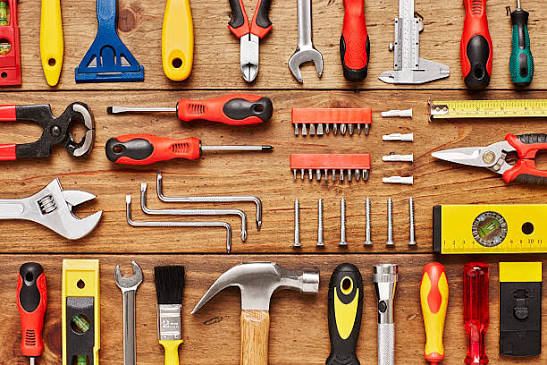
Hand tools remain important for assembling furniture, tightening hardware, making adjustments, and completing small repairs. Screwdrivers, pliers, hammers, measuring tapes, utility knives, and adjustable wrenches are common examples.
Different tools are designed for specific tasks. Selecting the correct screwdriver tip, wrench size, or cutting tool can improve control and reduce the chance of damaging fasteners or materials.
Power Tools for Larger Projects
Power tools can make repetitive or demanding work more efficient. Drills, drivers, saws, sanders, and other equipment are useful for projects involving woodworking, construction, assembly, and renovation.
Before choosing a power tool, consider its intended application, power source, operating requirements, accessories, and safety features. Use compatible attachments and follow the manufacturer's instructions.
Tool Storage and Organization
Keeping tools organized makes it easier to find the right equipment and protects items from unnecessary damage. Toolboxes, storage cabinets, organizers, and wall-mounted systems can help separate tools according to their purpose.
For a home workshop, consider grouping measuring tools, hand tools, power tool accessories, and fasteners in separate sections. This simple approach can save time during future projects.
Door and Window Hardware for Better Functionality
Doors and windows are used every day, so their hardware needs to be suitable for frequent operation. Worn hinges, damaged latches, and faulty rollers can affect convenience and may require replacement.
Door Hinges and Sliding Door Components
Door hinges allow doors to open and close smoothly, while sliding door systems rely on compatible tracks, rollers, hangers, and guides. Different hardware designs are available for different door types and installation requirements.
For example, sliding bypass doors and bi-fold doors use different hardware arrangements. Before purchasing a replacement kit, check the door thickness, panel dimensions, weight capacity, track configuration, and mounting requirements.
Locks, Latches, and Handles
Locks and latches help control access, while handles and knobs make doors easier to operate. Products are available for entry doors, interior doors, screen doors, cabinets, and other applications.
Check the backset, door thickness, hole spacing, and lock function before choosing replacement hardware. For exterior applications, consider the material and finish as well as the product's suitability for exposure to weather.
Window and Screen Accessories
Window hardware may include latches, locks, rollers, operators, and screen replacement components. Identifying the existing window style and measuring the damaged part can help you find a suitable replacement.
Regular inspection can also help identify loose fittings, damaged screens, or components that no longer operate correctly.
Fasteners, Anchors, and Installation Supplies
Fasteners and anchors are essential for assembling, mounting, and securing different materials. Screws, nails, bolts, and wall anchors are available in a variety of sizes and materials for specific applications.
Choosing the Correct Fastener
The correct fastener depends on the materials being joined, the expected load, the installation environment, and the type of connection required. A fastener intended for wood may not be appropriate for masonry or metal.
Review product specifications carefully and choose a suitable length, diameter, and material. Using the correct fastener can help create a more dependable connection.
Wall Anchors for Mounting Projects
Wall anchors help secure compatible fixtures and accessories to certain wall materials. Different designs are available for drywall, masonry, and other substrates.
For example, toggle-style anchors are designed for certain hollow-wall applications. The anchor must be suitable for the wall thickness, fixture, and expected load. Heavy or safety-critical installations may require professional assessment.
Building Supplies for Repairs and Renovations
Home improvement projects often require more than tools and hardware. Building and repair supplies help address damaged surfaces, install new components, and complete renovation work.
Depending on the project, useful materials may include adhesives, sealants, patching compounds, fasteners, brackets, and other installation accessories.
Planning a Repair Project
Start by identifying the problem and determining which materials are required. Measure the affected area, inspect the existing surface, and check whether additional preparation is necessary.
For example, repairing a wall may involve cleaning, filling holes, sanding, and repainting. Replacing a door component may require removing old hardware and checking the mounting surface before installing the replacement.
Selecting Compatible Materials
Not every adhesive, sealant, or repair product is suitable for every surface. Read product labels to confirm compatibility with wood, metal, concrete, drywall, plastic, or other materials involved in the project.
Follow the recommended application method, curing time, ventilation requirements, and safety precautions.
Painting Supplies for Interior and Exterior Improvements
Painting is a practical way to refresh rooms, update furniture, and improve the appearance of exterior surfaces. A successful result depends on surface preparation, suitable paint, and the correct application equipment.
Preparing Surfaces Before Painting
Remove loose paint, dust, dirt, and grease before applying a new coating. Repair suitable cracks and holes, sand rough areas, and use primer where required by the surface or paint manufacturer.
Proper preparation helps create a more consistent finish and supports better paint adhesion.
Choosing Brushes and Rollers
Brushes are useful for corners, trim, edges, and detailed sections. Rollers are more efficient for covering larger wall and ceiling areas. Roller nap should match the surface texture, while brush type should be compatible with the selected coating.
Other useful painting accessories include paint trays, extension poles, painter's tape, drop cloths, and cleaning tools.
Outdoor Maintenance and Garden Projects
Outdoor spaces need regular attention to remain attractive and functional. Lawns, garden beds, patios, fences, walkways, and exterior fixtures may all require seasonal maintenance.
Basic Lawn and Garden Care
Routine outdoor tasks may include mowing, trimming, watering, removing weeds, cleaning garden beds, and maintaining outdoor equipment. Suitable hand tools and watering accessories can make these jobs easier.
Choose plants and lawn-care products according to local growing conditions, soil type, and sunlight exposure. Follow product instructions when using fertilizers or pest-control treatments.
Maintaining Outdoor Hardware
Exterior doors, gates, screens, and other fixtures can experience wear from moisture, sunlight, and temperature changes. Inspect hardware regularly for loose screws, corrosion, damaged finishes, and worn moving parts.
Choose replacement components designed for the intended environment. Appropriate materials and finishes can help reduce maintenance needs over time.
Household Essentials for Everyday Convenience
Home improvement is not limited to construction and repairs. Everyday household products also play an important role in keeping a property clean, organized, and comfortable.
Storage accessories, cleaning products, lighting supplies, seasonal items, and general household essentials can support daily routines. Organizing these supplies in accessible locations makes it easier to manage regular tasks and unexpected repairs.
When selecting household products, consider their intended purpose, dimensions, storage requirements, and maintenance needs. Practical choices can help reduce clutter and make better use of available space.
How to Shop Smart for Hardware and Home Improvement Products
Preparing before shopping can help you avoid purchasing unsuitable products. A few simple checks can make the process more efficient.
1. Identify Your Project Requirements
Decide whether you are completing a repair, replacing an existing component, improving a room, or starting a larger renovation. The project determines which product categories and accessories you need.
2. Measure Before Ordering
Take accurate measurements of doors, windows, shelves, fixtures, and installation spaces. For replacement parts, compare the measurements with the existing component.
3. Review Product Specifications
Check material, dimensions, compatibility, installation method, load capacity, and other relevant details. Read the product description carefully before making a purchase.
4. Consider Durability
Products used frequently or exposed to demanding conditions may require stronger materials or specialized finishes. Consider how often the item will be used and where it will be installed.
5. Check Availability and Delivery Details
Review current stock status, pickup options, shipping information, and any special-order requirements. This is especially helpful when planning a project around a specific completion date.
Safety Tips for DIY and Home Improvement Work
Safety should remain a priority during every repair, installation, and maintenance task. Using appropriate equipment and following product instructions can help reduce avoidable risks.
- Wear suitable protective equipment, including safety glasses and gloves when appropriate.
- Inspect tools and accessories before use.
- Use ladders on stable surfaces and follow their safety instructions.
- Keep sharp tools and hazardous products secured when not in use.
- Follow manufacturer instructions when handling paints, adhesives, sealants, and cleaning products.
- Provide suitable ventilation when working with coatings or chemicals.
- Consult qualified professionals for electrical, structural, plumbing, or other specialized work when required.
Why Shop at Seashore Ace?
Having a convenient place to explore hardware and home improvement products can simplify project planning. Seashore Ace serves homeowners, DIY enthusiasts, and professionals looking for supplies for repairs, upgrades, maintenance, and everyday needs.
Its online store features a variety of products across categories such as door hardware, fasteners, tools, building supplies, household essentials, and other practical items. Shoppers can review product descriptions and specifications to compare options before placing an order.
The online store also provides information about in-store pickup, local delivery, and shipping where available. Checking the individual product listing helps you understand the current availability and purchasing options for the item you need.
Make Your Next Home Improvement Project Easier
Successful home maintenance begins with understanding the task and choosing products that match the requirements. From replacing a door latch and organizing a workshop to repairing a wall or maintaining an outdoor space, the right tools and supplies can make everyday projects more manageable.
Before shopping, identify the materials you need, take accurate measurements, and review product specifications. Explore Seashore Ace for practical hardware, tools, repair products, and household essentials that support a wide range of projects. With thoughtful preparation and suitable supplies, you can keep your property functional, organized, and ready for future improvements.

