

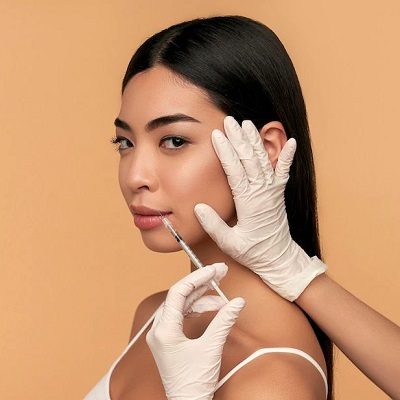

Migraines are more than ordinary headaches. They are a neurological condition that can cause severe head pain, nausea, sensitivity to light and sound, and difficulties with everyday activities. For individuals who experience frequent migraine attacks, finding an effective long-term management option can make a significant difference in their quality of life. While medications and lifestyle adjustments remain important parts of migraine care, certain medical treatments can also help reduce the frequency of attacks. One such option is Botox, which has become an established preventive treatment for adults with chronic migraines.
Although Botox is widely recognised for its cosmetic applications, its medical uses extend beyond reducing facial wrinkles. Botox Injections can also be used to help prevent chronic migraines by targeting specific nerve signalling pathways involved in pain transmission. Unlike cosmetic treatments, migraine-related Botox follows a specialised injection protocol involving several areas around the head and neck. Understanding how this treatment works, who may benefit, and what results to expect can help individuals make informed decisions about migraine management.
1. What Are Botox Injections for Migraines?
Botox injections for migraines are a preventive medical treatment approved for adults with chronic migraine. They use onabotulinumtoxinA, a purified form of botulinum toxin type A, to reduce the frequency of headache days.
Chronic migraine is generally defined as experiencing headaches on at least 15 days per month for more than three months, with migraine features occurring on at least eight of those days.
This condition can significantly affect personal, professional, and social activities. Frequent episodes may interfere with concentration, sleep, work performance, and overall wellbeing.
Botox works differently from ordinary pain-relief medication. Rather than treating an individual migraine attack after it begins, it helps prevent future episodes by influencing the release of certain chemical messengers involved in pain signalling.
The treatment is administered through multiple small injections into specific muscles and areas around the head and neck. These commonly include:
-
Forehead muscles.
-
Temples.
-
Areas around the back of the head.
-
Upper neck muscles.
-
Shoulder and trapezius regions.
The treatment follows a standardised medical protocol, with injection locations and doses determined by the patient's clinical needs and the approved regimen.
It is important to understand that Botox for migraines is different from cosmetic Botox. Although both use botulinum toxin, their treatment objectives, injection patterns, and dosing approaches are different.
2. How Does Botox Help Prevent Chronic Migraines?
The exact mechanisms behind migraines are complex and involve changes in brain activity, nerve signalling, and the release of substances associated with pain.
Botox helps prevent chronic migraines by interfering with the release of certain neurotransmitters and neuropeptides involved in transmitting pain signals.
One important substance associated with migraine pain is calcitonin gene-related peptide (CGRP). This molecule plays a role in migraine pathways and contributes to the transmission of pain signals.
Botox can reduce the release of certain pain-related neurotransmitters from nerve endings, helping decrease the activation of pain pathways.
Reducing Pain Signal Transmission
Botox affects nerve endings involved in pain signalling. By reducing the release of certain chemical messengers, it may help prevent the processes that contribute to chronic migraine attacks.
Supporting Migraine Prevention
Unlike medications taken only when a headache occurs, Botox is administered at regular intervals to reduce the frequency of migraine episodes over time.
Reducing Headache Frequency
For suitable patients, preventive treatment may reduce the number of headache days experienced each month. Some individuals may also notice improvements in headache severity and their ability to manage everyday activities.
However, responses vary, and Botox does not eliminate migraines in every patient.
3. What Are the Main Benefits of Botox for Migraines?
For individuals living with chronic migraines, preventive treatment can offer several potential benefits. Its effectiveness depends on the patient's migraine history, overall health, and response to treatment.
Fewer Migraine Days
One of the main benefits is a potential reduction in the number of headache days experienced each month.
Clinical research has demonstrated that Botox can reduce headache frequency in adults with chronic migraine. This may help individuals experience more comfortable days and fewer interruptions to their routines.
Reduced Headache Severity
Some patients report that their migraine episodes become less intense after receiving regular treatment. Even when migraines continue to occur, reduced severity may make symptoms easier to manage.
Improved Daily Functioning
Frequent migraines can affect concentration, productivity, sleep, and emotional wellbeing. By reducing headache frequency, Botox may help some individuals participate more comfortably in everyday activities.
Reduced Dependence on Acute Medication
Preventive treatment may help some patients rely less frequently on medications used to manage individual migraine attacks.
However, Botox is not a replacement for all migraine medication. Patients should discuss their medication use with a healthcare professional and should not discontinue prescribed treatments independently.
Long-Term Preventive Support
Botox is generally administered every 12 weeks for chronic migraine prevention. With repeated treatment, some individuals experience sustained improvements in headache frequency and overall migraine management.
The degree of benefit differs from person to person, and ongoing medical evaluation is necessary to determine whether treatment remains appropriate.
4. Who Is a Suitable Candidate for Botox Migraine Treatment?
Botox is primarily recommended for adults diagnosed with chronic migraine. It is not generally intended for people who experience occasional headaches or infrequent migraine attacks.
A healthcare professional may consider Botox when an individual:
-
Experiences headaches on 15 or more days per month.
-
Has migraine symptoms on at least eight headache days monthly.
-
Has experienced chronic migraine for more than three months.
-
Has not achieved sufficient improvement with other preventive treatments.
-
Experiences significant disruption to daily activities because of frequent migraines.
A medical assessment is essential before starting treatment. The healthcare professional may review headache frequency, symptom patterns, medical history, current medications, and previous treatment responses.
A headache diary can also be useful. Recording headache days, migraine symptoms, medication use, and possible triggers helps identify patterns and evaluate treatment effectiveness.
Who May Not Be Suitable?
Botox may not be appropriate for everyone. Individuals with certain neuromuscular conditions, allergies to botulinum toxin preparations, or infections at proposed injection sites may require alternative treatment options.
Special consideration is also necessary for individuals who are pregnant or breastfeeding because safety in these circumstances has not been adequately established.
A qualified healthcare professional should determine whether the potential benefits outweigh the risks for each individual.
5. What Happens During Botox Treatment for Migraines?
Migraine-related Botox treatment generally involves a series of small injections administered across specific areas of the head and neck.
Before the procedure, the healthcare professional reviews the patient's medical history and confirms whether the treatment is appropriate.
During the Procedure
The standard chronic migraine protocol typically involves 155 units of onabotulinumtoxinA administered across 31 injection sites.
These injections are distributed across seven specific muscle groups and anatomical regions around the forehead, temples, back of the head, upper neck, and shoulders.
Some patients may receive additional injections based on clinical assessment and the established treatment protocol.
The procedure usually takes approximately 10 to 20 minutes, although the duration can vary.
Most individuals tolerate the injections without significant difficulty. Mild discomfort, a pinching sensation, or temporary tenderness may occur during administration.
After Treatment
Most patients can return to their usual daily activities shortly after the procedure, depending on how they feel and the advice provided by their healthcare professional.
Temporary redness, tenderness, or minor swelling may develop around the injection sites.
The treatment does not usually provide immediate migraine relief. Its preventive effects develop gradually over the following weeks.
Repeated treatment sessions are generally scheduled every 12 weeks when clinically appropriate.
6. Botox for Migraines: Safety, Side Effects, and Expected Results
Botox is an established preventive treatment for chronic migraine, but understanding its potential side effects and limitations is important before proceeding.
Common Side Effects
Some individuals experience temporary effects following treatment, including:
-
Neck pain or stiffness.
-
Mild headache.
-
Tenderness around injection sites.
-
Temporary swelling or bruising.
-
Muscle weakness.
-
Temporary eyelid drooping.
-
Discomfort around the forehead or neck.
These effects are generally mild, although their duration and severity can vary.
Serious but Rare Risks
In rare cases, botulinum toxin effects may spread beyond the injection area and cause serious symptoms.
Warning signs can include:
-
Difficulty swallowing.
-
Difficulty speaking.
-
Generalised muscle weakness.
-
Breathing difficulties.
-
Significant vision changes.
Anyone experiencing difficulty breathing or swallowing after treatment should seek immediate medical attention.
When Do Results Become Noticeable?
Some individuals begin noticing improvements within two to four weeks, although the response may take longer.
Botox is a preventive treatment, so its effectiveness is usually evaluated by comparing headache frequency before and after treatment.
A single session may not provide sufficient information about long-term effectiveness. Some patients require two or three treatment cycles before a meaningful improvement can be established.
Healthcare professionals commonly assess whether the treatment reduces monthly headache days and improves overall functioning.
How Long Do Results Last?
The preventive effects of Botox generally last around 12 weeks, which is why repeat treatment is commonly scheduled at three-month intervals.
Some individuals experience significant improvements, while others notice only modest changes. Treatment should be continued only when its benefits justify the ongoing procedure.
Patients should regularly review their progress with their healthcare professional to determine whether the treatment plan needs adjustment.
Frequently Asked Questions (FAQs)
1. Can Botox injections really help prevent migraines?
Yes. Botox is an established preventive treatment for adults with chronic migraine. It works by influencing the release of certain chemical messengers involved in pain transmission. Clinical evidence shows that it can reduce headache frequency in suitable patients, although individual results vary.
2. How many Botox sessions are needed for migraine treatment?
Botox for chronic migraine is generally administered every 12 weeks. Some individuals notice improvements after their first treatment, while others may require two or three treatment cycles to assess its full preventive benefit.
3. Is Botox for migraines different from cosmetic Botox?
Yes. Both treatments use botulinum toxin type A, but their purposes and administration methods differ. Cosmetic Botox targets selected facial muscles to reduce expression-related wrinkles, whereas migraine treatment follows a specialised injection protocol involving multiple areas around the head and neck.
4. How long does it take for Botox to work for migraines?
Some individuals begin noticing improvements within two to four weeks. However, the full preventive benefit may take longer to assess, particularly when multiple treatment cycles are needed.
5. Are Botox injections for migraines painful?
The procedure involves multiple small injections, which may cause brief pinching sensations or mild discomfort. Most patients tolerate the treatment well. Temporary tenderness, bruising, or swelling may occur afterward.
6. Can Botox completely cure chronic migraines?
No. Botox is a preventive treatment rather than a cure for chronic migraine. It may reduce headache frequency, severity, and the impact of symptoms on daily life, but some individuals continue experiencing migraine episodes. Ongoing medical assessment is important for effective long-term management.
Final Thoughts
Chronic migraines can significantly affect an individual's physical comfort, emotional wellbeing, and ability to manage everyday responsibilities. Finding an effective preventive treatment is therefore an important part of long-term migraine care.
Botox injections offer an established option for adults who experience chronic migraines, particularly when other preventive approaches have not provided sufficient relief. By influencing pain-related nerve signalling, the treatment can help reduce headache frequency and improve daily functioning in suitable patients.
However, Botox is not appropriate for every type of headache, and its results vary between individuals. A proper diagnosis, medical assessment, and consistent follow-up are essential for determining whether the treatment is suitable.
With realistic expectations and an individually tailored treatment plan, Botox may become a valuable part of a comprehensive approach to chronic migraine management.
Read More About Botox Injections: https://u-ssr.com/read-blog/20086

