

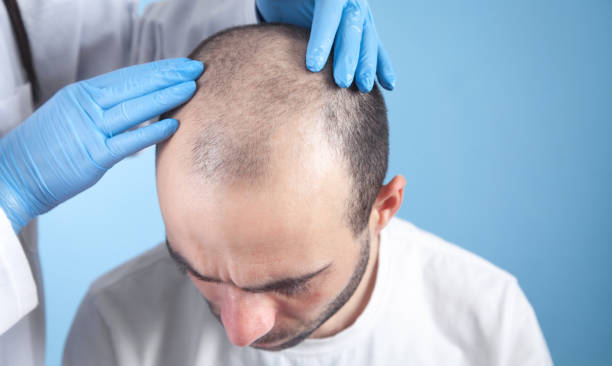

Considering surgical hair restoration often brings practical questions about preparation, procedure length, recovery, and when new growth may become visible. Knowing what happens at each stage can make the process easier to understand. A Hair Transplant in Dubai involves several steps, beginning with a detailed assessment and continuing through surgery, post-operative care, and long-term monitoring.
The exact experience depends on the selected technique, the number of grafts, the patient's health, and the size of the treatment area. This guide explains the typical stages so patients can approach consultation and surgery with realistic expectations.
Before a Hair Transplant in Dubai
Preparation begins well before the procedure date. The consultation is an opportunity to identify the cause of hair loss, assess donor availability, and determine whether surgery is appropriate.
Initial Consultation and Hair Assessment
The surgeon examines the scalp and reviews the pattern of hair loss. The assessment may include:
-
Hair density in the donor area
-
Thickness and characteristics of existing hair
-
Size of the thinning or bald region
-
Scalp condition and medical history
-
Previous hair-restoration treatments
-
Family history and possible future hair loss
The surgeon also discusses the patient's expectations. This is important because the available donor supply may not support complete coverage or the density someone initially imagines.
Selecting the Appropriate Technique
FUE, FUT, DHI, and other approaches may be considered according to the patient's needs.
The surgeon explains how follicles will be harvested, prepared, and implanted. Patients should understand the likely donor-area appearance, potential scarring, recovery requirements, and possible limitations of the selected method.
Hairline and Graft Planning
A hairline should suit the patient's facial proportions and age rather than follow a standard template.
The surgeon estimates the graft requirement based on the treatment area, existing density, donor supply, and desired coverage. The plan should also account for future hair loss so that donor follicles are not used too aggressively.
Medical Review and Pre-Operative Instructions
The surgical team reviews relevant medical conditions, medications, allergies, and previous procedures. Patients should disclose all prescribed medicines and supplements.
Do not stop medication or change a treatment routine without professional advice. The clinic will provide instructions about eating, drinking, smoking, alcohol, and medication where relevant to the procedure and anaesthesia plan.
Patients should also arrange transport if advised, particularly when medication or the procedure itself could affect their ability to drive.
During the Hair Transplant Procedure
The procedure involves harvesting follicles, preparing recipient sites, and implanting grafts. The exact sequence and instruments depend on the chosen technique.
Preparing the Scalp
The treatment areas are cleaned and marked according to the agreed plan. The team confirms the donor and recipient zones before starting.
Local anaesthesia is commonly used to numb the scalp. Patients may feel pressure or movement during parts of the procedure, but the surgical team should explain what sensations may occur.
Harvesting the Donor Grafts
For FUE-based procedures, individual follicular units are extracted from the donor region using small instruments.
With FUT, a strip of scalp is removed and divided into individual grafts. The donor wound is then closed according to the surgical plan.
The team handles the grafts carefully and prepares them for implantation.
Creating Recipient Sites
The surgeon prepares the recipient area according to the planned hairline, density, and direction of growth.
The position and angle of each site are important because natural hair grows in different directions across the scalp. The crown, for example, has a whorl pattern that requires a different placement strategy from the frontal hairline.
Implanting the Follicles
Prepared grafts are placed into the recipient area using the selected method. The team monitors graft handling and placement throughout the procedure.
The number of grafts, size of the treatment area, and technique influence how long the session takes.
Completing the Procedure
After implantation, the team checks the treated areas and provides instructions for protecting the scalp. Patients may receive guidance about sleeping position, washing, medication, and activity restrictions.
Before leaving, make sure you understand whom to contact if you experience unexpected symptoms.
After a Hair Transplant in Dubai
Recovery is gradual. The scalp may look red or swollen initially, and small crusts may form around the grafts.
The First Few Days
Mild tenderness, swelling, and redness may occur in the donor and recipient areas. Patients should avoid touching, scratching, or rubbing the grafts.
Follow the clinic's instructions about sleeping position and scalp protection. If medication is prescribed, use it only as directed.
The First Two Weeks
Small crusts generally develop around implanted follicles and gradually separate as healing progresses. Washing should follow the surgical team's specific instructions.
Avoid pulling at scabs or trying to remove them early. Activities that cause friction, pressure, or heavy sweating may need to be restricted during this period.
Temporary Shedding
Some transplanted hair shafts may shed during the weeks after surgery. This can be part of the normal post-transplant growth cycle.
The follicles may remain in the scalp and later produce new hair. However, unexpected or extensive hair loss should be discussed with the surgical team.
New Hair Growth
Visible growth usually takes several months. Early hairs may appear thin or uneven before gradually becoming more established.
The timing varies, and patients should not judge the final outcome during the early recovery stage.
Typical Hair Transplant Timeline
| Stage | General expectations |
|---|---|
| Consultation | Scalp assessment, medical review, and surgical planning |
| Procedure day | Follicle harvesting and implantation |
| First few days | Redness, tenderness, and possible swelling |
| First two weeks | Crust formation and gradual healing |
| Following weeks | Temporary shedding may occur |
| Around 3–4 months | Early new growth may become noticeable |
| Around 6 months | Progressive improvement in coverage |
| Around 9–12 months | Results become more established |
| Beyond 12 months | Further maturation may occur in some cases |
This is a general guide rather than a guaranteed schedule. Healing and growth vary between patients and procedures.
Possible Risks and Complications
Hair transplantation is a surgical procedure, so patients should understand the possible risks before giving consent.
Potential complications include:
-
Swelling, tenderness, or prolonged redness
-
Infection
-
Bleeding or delayed healing
-
Temporary or persistent changes in scalp sensation
-
Visible donor scarring
-
Uneven growth or lower-than-expected density
-
Unnatural hair direction
-
Shock loss affecting existing hair
The surgeon should explain which risks are relevant to the patient's medical history and planned technique. Increasing pain, fever, spreading redness, or unusual discharge after surgery should be reported promptly.
How to Support a Smooth Recovery
Following the post-operative plan is an important part of treatment.
Protect the Grafts
Avoid touching, rubbing, or scratching the recipient area during early healing. Follow instructions about washing and drying the scalp.
Do not wear tight headwear unless the surgical team has approved it.
Follow Activity Restrictions
Strenuous exercise, heavy lifting, swimming, and contact sports may need to be avoided temporarily.
The timing depends on the procedure and recovery. Ask the surgeon before returning to activities that could expose the scalp to impact, pressure, or contamination.
Attend Follow-Up Appointments
Follow-up visits allow the surgical team to check healing and discuss growth expectations. They also provide an opportunity to raise concerns about shedding, discomfort, or changes in the scalp.
Questions to Ask Before Surgery
A well-informed patient should understand the treatment plan before proceeding. Consider asking:
-
Which hair transplant technique is recommended and why?
-
How many grafts are planned?
-
Who performs the extraction and implantation?
-
What type of anaesthesia will be used?
-
What are the possible complications?
-
How long should I avoid strenuous activities?
-
What follow-up care is included?
-
How will future hair loss be managed?
Clinic Note: A hair transplant is a staged process, not an instant cosmetic change. Careful preparation, appropriate surgical planning, protection of the grafts, and realistic expectations are all important to the overall treatment experience.
FAQs About the Hair Transplant Process
How long does a hair transplant appointment take?
The duration depends on the technique and graft count. Larger procedures may take several hours, and the surgical team should provide an estimated schedule during consultation.
Will I be awake during the procedure?
Hair transplantation is commonly performed using local anaesthesia. Patients are generally awake, although the exact anaesthesia and comfort plan should be discussed with the surgical team.
Is swelling normal after surgery?
Some swelling can occur after a hair transplant. Follow the clinic's instructions and report severe, increasing, or unexpected symptoms.
When can I wash my hair?
The timing and washing method depend on the surgeon's protocol. Follow the instructions provided rather than using a general online schedule.
When will the transplanted hair grow?
Early growth may become noticeable around three to four months, although visible improvement varies. More established results generally develop over the following months.
Can I return to work immediately?
Some people may resume light activities relatively soon, but this depends on the procedure, visible recovery signs, and work requirements. Follow the surgeon's recommendations.
Plan Your Hair Restoration Journey at Tajmeels Clinic
Understanding each stage of surgery can help patients make a more confident and informed decision. Tajmeels Clinic in Dubai provides an opportunity to discuss hair transplant techniques, preparation, graft planning, and recovery expectations. A consultation can help determine whether surgery is appropriate and establish a treatment plan based on individual hair-loss patterns and donor characteristics.

