

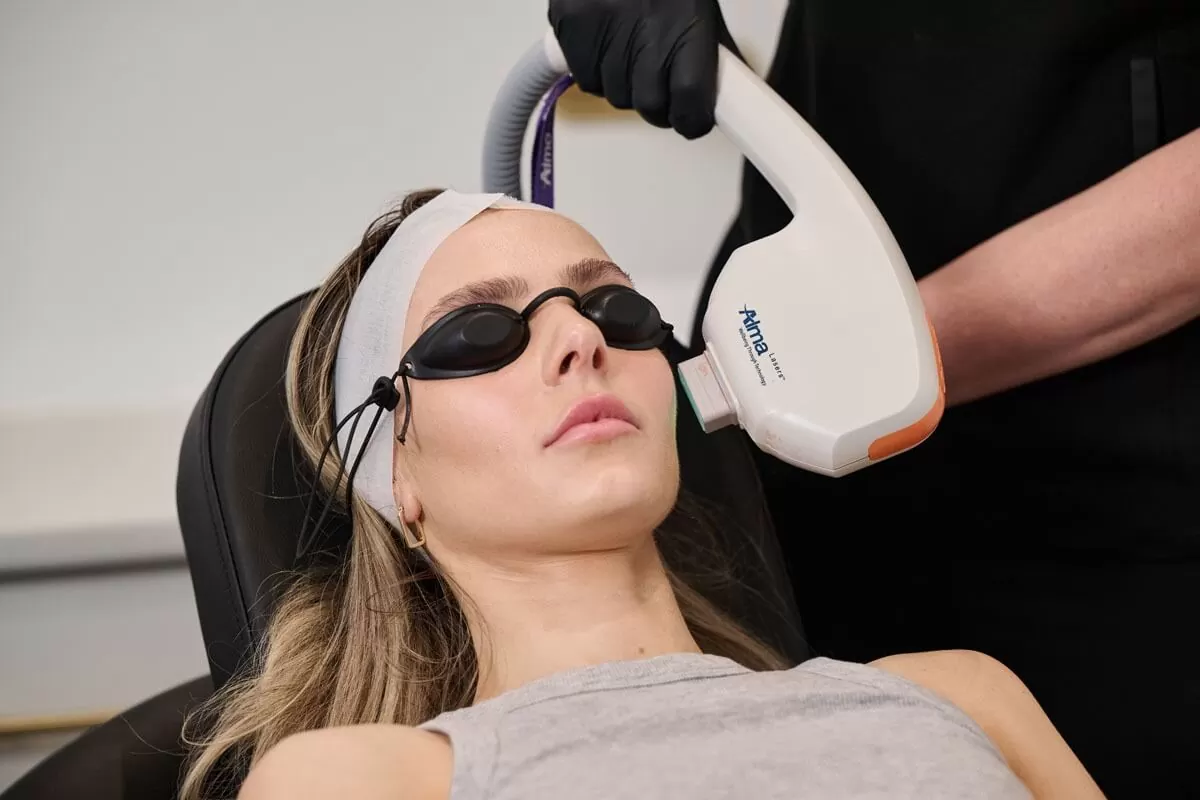

Age can influence skin texture, collagen production, pigmentation, and the way skin responds to light-based treatments. Laser Photo Rejuvenation in Dubai is an aesthetic approach that addresses visible signs of sun damage and skin ageing, with treatment considerations varying according to individual skin needs. Dynamic Clinic in Dubai provides an advertorial reference point for people exploring aesthetic skin treatments and their applications.
Understanding the Connection Between Age and Skin Changes
Skin changes gradually throughout life. Natural collagen and elastin production decreases with age, while repeated exposure to sunlight can contribute to uneven pigmentation, fine lines, and changes in skin texture. These changes may affect how the skin responds to laser photo rejuvenation.
Younger skin often has better natural elasticity and may show early signs of sun exposure rather than advanced ageing. Older skin may have more visible pigmentation, fine lines, and reduced firmness. However, chronological age alone does not determine treatment suitability or expected outcomes.
Why Younger Skin May Respond Differently
Younger adults may consider photo rejuvenation when early skin concerns become noticeable. These can include mild sun spots, uneven skin tone, and small areas of pigmentation.
At this stage, the skin generally retains more collagen and elasticity. Light-based treatments may help improve selected pigmentation concerns and create a more even-looking complexion.
Common reasons younger individuals explore this approach include:
-
Early signs of sun damage
-
Mild brown spots and pigmentation
-
Uneven skin tone
-
Changes in skin brightness
-
Early texture irregularities
Treatment decisions should consider existing skin conditions, sensitivity, and the amount of sun exposure rather than age alone.
How Mature Skin Responds to Light-Based Treatment
As skin matures, natural repair processes become slower. Collagen production decreases, and accumulated ultraviolet exposure can make pigmentation and fine lines more noticeable.
Laser photo rejuvenation may help address certain visible concerns, including sun spots, redness, and uneven pigmentation. However, it does not restore all age-related changes or replace treatments designed specifically for significant skin laxity.
Mature skin may also require careful assessment because dryness, sensitivity, and reduced skin resilience can influence treatment planning. A suitable approach depends on the skin's current condition and its ability to tolerate the selected technology.
The Role of Collagen Production in Treatment Outcomes
Collagen is an important structural protein that supports skin firmness and elasticity. Its natural production gradually declines with age, contributing to fine lines and changes in skin texture.
Some light-based rejuvenation technologies may stimulate biological processes associated with collagen remodelling. However, the main purpose of photo rejuvenation is often to improve visible concerns such as pigmentation, redness, and sun-related skin changes.
The degree of improvement can vary according to:
-
Existing collagen levels
-
Skin thickness and elasticity
-
Severity of sun damage
-
Individual healing response
-
Type of light-based technology used
People with more advanced signs of ageing may need a broader skin treatment plan to address concerns that photo rejuvenation alone cannot resolve.
Does Age Affect Recovery After Treatment?
Recovery depends more on the treatment settings, skin sensitivity, and individual healing response than on chronological age alone.
Some people experience temporary redness, warmth, mild swelling, or darkening of pigmented spots before they gradually fade. Mature or sensitive skin may need additional attention during the recovery period.
Following appropriate aftercare can support skin recovery. Important measures include:
-
Using a gentle cleanser
-
Applying suitable moisturisers
-
Wearing broad-spectrum sunscreen
-
Avoiding unnecessary direct sun exposure
-
Following professional aftercare instructions
-
Avoiding irritating skincare products until the skin has recovered
Sun protection is particularly important in Dubai because strong ultraviolet exposure can contribute to further pigmentation and interfere with skin recovery.
Other Factors That Matter More Than Age
Two people of the same age can have very different skin conditions. Genetics, lifestyle, environmental exposure, and skincare habits all influence the appearance and health of the skin.
Several factors should be considered before treatment:
Skin type: Different skin tones have different levels of melanin and may respond differently to light energy. Some skin types have a higher risk of post-inflammatory hyperpigmentation.
Sun exposure: Frequent exposure without adequate protection can increase pigmentation and make treatment planning more complex.
Existing skin conditions: Active inflammation, infections, or certain pigmentary disorders may affect treatment suitability.
Lifestyle habits: Smoking, poor sleep, and inadequate skincare can influence overall skin quality and recovery.
Treatment technology: Different devices use different wavelengths and energy settings, making professional assessment important.
Setting Realistic Expectations at Different Ages
Laser photo rejuvenation does not produce identical outcomes for everyone. Younger individuals may focus on improving early pigmentation and maintaining an even-looking complexion, while mature adults may seek improvement in more established signs of sun damage.
The treatment cannot completely remove wrinkles, reverse natural ageing, or guarantee permanent prevention of new pigmentation. Multiple sessions may be considered depending on the skin concern, device, and individual response.
A professional skin assessment helps identify realistic goals and determine whether photo rejuvenation is an appropriate option.
Conclusion
Age influences skin structure, collagen production, pigmentation, and natural recovery, all of which can affect laser photo rejuvenation outcomes. Younger skin may present with early sun damage, while mature skin may have more established changes in texture and elasticity. However, skin condition, sensitivity, sun exposure, and treatment suitability are more meaningful factors than age alone. Understanding these differences helps individuals make informed decisions about light-based skin rejuvenation and develop realistic expectations.

