

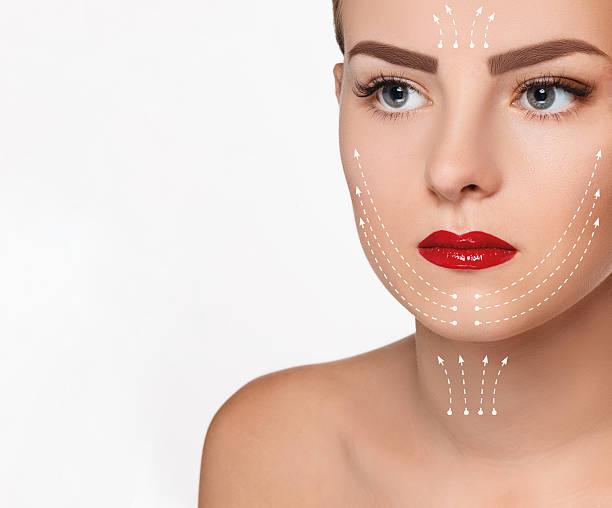

Facial aging is a natural process that gradually changes skin texture, facial contours, and overall appearance. As the years pass, reduced collagen production, loose skin, and changes in underlying facial tissues can contribute to wrinkles, sagging cheeks, and a less defined jawline. These changes may make the face appear older or more tired than a person feels. Facelift surgery is a popular cosmetic procedure that addresses these concerns by improving facial firmness and restoring youthful contours. Individuals considering Facelift in Riyadh often want to understand how this procedure works and which benefits it can offer for long-term facial rejuvenation.
What Is Facelift Surgery?
Facelift surgery, also known as rhytidectomy, is a cosmetic surgical procedure designed to reduce visible signs of aging in the face. It involves repositioning underlying facial tissues, tightening supportive structures, and removing excess skin to create a smoother and firmer appearance.
The procedure can address several aging concerns, including sagging cheeks, deep facial folds, loose skin around the jawline, and the development of jowls. Depending on individual needs, a facelift may also be combined with other facial rejuvenation procedures to achieve more balanced results.
What Are the Major Benefits of Facelift Surgery?
Facelift surgery offers several potential benefits for individuals who want to improve visible signs of facial aging. The results depend on facial anatomy, skin condition, surgical technique, and individual healing.
1. Reduces Sagging Facial Skin
One of the primary benefits of facelift surgery is its ability to improve loose and sagging facial skin. Aging can weaken skin elasticity and underlying support structures, causing the cheeks and lower face to droop.
During surgery, the surgeon repositions deeper tissues and removes carefully measured excess skin. This helps create a firmer facial appearance without relying solely on pulling the skin tightly.
2. Improves Jawline Definition
Aging can cause loose skin and excess tissue to accumulate around the lower face, making the jawline appear less defined. These changes may also create noticeable jowls.
A facelift can reposition the underlying tissues and improve the appearance of the jawline. This creates a smoother transition between the face and neck while supporting more balanced facial contours.
3. Softens Deep Facial Folds
Deep lines around the nose and mouth are common signs of facial aging. These folds can become more noticeable as facial tissues lose volume and gradually move downward.
Facelift surgery can soften certain deep folds by repositioning the surrounding tissues. Although it may not eliminate every wrinkle, it can help create a smoother and more refreshed appearance.
4. Restores Youthful Facial Contours
Facial aging affects more than the skin's surface. Changes in underlying tissues can alter the natural shape of the cheeks, lower face, and jawline.
By adjusting deeper facial structures, facelift surgery helps restore more youthful contours. The goal is to improve facial balance while preserving the individual's natural features.
5. Provides Long-Lasting Results
Unlike temporary cosmetic treatments, facelift surgery can provide improvements that remain visible for several years. The procedure addresses underlying tissue changes rather than focusing only on the skin's surface.
However, results are not permanent because the natural aging process continues. Maintaining healthy skincare habits and following professional recommendations can help support the appearance of the results.
6. Creates a More Refreshed Appearance
Loose skin, deep folds, and sagging facial tissues can sometimes make individuals look tired or older. A facelift can improve these concerns and create a more refreshed appearance.
Many patients choose the procedure because they want their external appearance to better reflect how energetic and confident they feel.
7. Improves Facial Harmony
Aging may affect different facial areas at different rates, creating changes in overall facial proportions. A facelift can help improve the relationship between the cheeks, jawline, and lower face.
When planned according to individual facial anatomy, the procedure can produce balanced improvements rather than an overly tight or unnatural appearance.
8. May Improve Self-Confidence
Changes in facial appearance can influence how people feel about themselves. For individuals who are uncomfortable with visible signs of aging, improving facial contours may provide a positive psychological experience.
Some patients report feeling more comfortable with their appearance after surgery. However, results and personal experiences vary, and realistic expectations are important.
Which Facial Areas Can Benefit From a Facelift?
A facelift primarily targets the middle and lower portions of the face, depending on the selected technique.
-
Cheeks: Helps improve sagging tissues and restore cheek contours.
-
Jawline: Reduces the appearance of jowls and improves definition.
-
Lower face: Addresses loose skin and certain deep facial folds.
-
Upper neck: Some techniques can improve loose skin beneath the jawline, particularly when combined with a neck lift.
A facelift does not directly correct every aging concern. Forehead wrinkles, eyelid concerns, and significant facial volume loss may require different treatments.
Who Can Benefit From Facelift Surgery?
Individuals experiencing moderate to significant facial sagging may be suitable candidates for facelift surgery. However, suitability depends on overall health, facial anatomy, skin condition, and personal expectations.
Potential candidates generally include people who:
-
Have loose skin around the cheeks or jawline.
-
Notice visible jowls or deep facial folds.
-
Want to improve facial contours.
-
Are in good general health.
-
Understand the benefits and limitations of surgery.
A professional consultation is necessary to determine whether a facelift is appropriate and which technique may provide the most suitable results.
What Should You Consider Before Getting a Facelift?
Before undergoing surgery, patients should understand the procedure, recovery process, and possible complications. Swelling, bruising, temporary numbness, scarring, infection, and changes in skin sensation are among the potential risks.
Choosing a qualified plastic surgeon is essential. Patients should discuss their medical history, desired results, surgical options, and recovery expectations before making a decision.
Is Facelift Surgery Worth Considering for Facial Rejuvenation?
For individuals experiencing noticeable facial sagging and loose skin, a facelift can be an effective option for improving facial contours. People researching Facelift in Riyadh should consider their personal aesthetic goals and seek an experienced professional who can explain the available techniques and expected outcomes.
The most suitable treatment depends on individual concerns, and a personalized assessment helps establish realistic expectations before surgery.
Book Your Appointment at Royal Clinic Saudia
If you want to explore facial rejuvenation and learn whether facelift surgery is suitable for your needs, book a consultation at Royal Clinic Saudia. Discuss your concerns, understand the available surgical approaches, and receive professional guidance to help you make an informed decision about your aesthetic goals.
FAQs:
What is the biggest benefit of facelift surgery?
One of the biggest benefits is its ability to improve sagging facial skin and reposition underlying tissues, helping create firmer facial contours and a more youthful appearance.
Does facelift surgery remove all facial wrinkles?
No. A facelift can soften certain deep folds and wrinkles, particularly around the cheeks and lower face, but it does not eliminate every wrinkle or treat all signs of aging.
How long do the benefits of facelift surgery last?
The improvements can remain visible for several years. However, the face continues to age naturally, and the longevity of results varies between individuals.
Can facelift surgery improve the jawline?
Yes. Facelift surgery can improve jawline definition by repositioning underlying tissues and reducing loose skin and the appearance of jowls. A neck lift may also be recommended for additional correction.

