

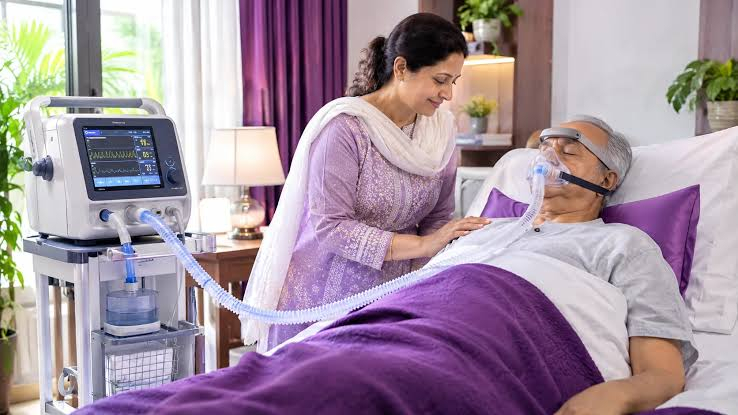
How to Train Family Caregivers to Support Ventilator-Dependent Patients

Caring for a loved one who depends on mechanical ventilation at home requires knowledge, preparation, and consistent attention. Family members often take responsibility for daily support, but they need proper training to understand respiratory equipment, recognize warning signs, and respond safely to changing care needs. Ventilator Care At Home In Dubai provides patients with an opportunity to receive prescribed respiratory support in familiar surroundings, while services such as Doctor at Home can help families arrange medical assessments when appropriate. Training family caregivers is an essential part of creating a safe home-care environment. With guidance from qualified healthcare professionals, relatives can develop the practical skills and confidence needed to support their loved one while understanding when professional assistance is necessary.
Understand the Patient's Medical Condition and Care Plan:
Before learning specific caregiving skills, family members should understand why the patient requires ventilation and what the treatment is intended to achieve. The treating physician or respiratory specialist should explain the patient's diagnosis, prescribed ventilation method, relevant medical conditions, and expected care requirements. Caregivers should also learn about the patient's usual breathing pattern, communication needs, mobility limitations, and medication schedule. This knowledge helps relatives recognize changes that may require attention instead of assuming that every unusual symptom is related to the ventilator. Families should keep a written care plan containing medical instructions, emergency contacts, and follow-up requirements. Training must be individualized because the responsibilities of caring for a patient using non-invasive ventilation may differ from those involved in caring for someone with a tracheostomy and invasive ventilation.
Learn How the Home Ventilator Works:
Understanding the basic function of the ventilator helps family caregivers become familiar with the equipment they will encounter every day. A qualified nurse or respiratory professional should demonstrate the patient's specific device, explain its main components, and describe how it supports breathing according to the prescribed treatment plan. Caregivers should learn the purpose of the display, tubing, mask or airway connection, power supply, humidification system where applicable, and alarm indicators. They should also understand which routine checks are appropriate and which tasks must only be performed by trained professionals. Important learning points include:
-
Identifying the ventilator's main components and connections.
-
Understanding the prescribed operating instructions.
-
Recognizing the meaning of common device indicators and alarms.
-
Checking equipment condition as instructed.
-
Knowing whom to contact if the device appears faulty.
-
Understanding backup power arrangements.
Family members must never change ventilator settings, disconnect essential equipment, or attempt repairs unless specifically trained and authorized to do so.
Practice Safe Daily Care Procedures:
Daily care may involve supporting personal hygiene, maintaining a comfortable position, observing the patient's general condition, and helping with prescribed routines. Caregivers should receive demonstrations from qualified healthcare professionals before assisting with tasks that involve respiratory equipment or the patient's airway. If the patient has a tracheostomy, specialized procedures such as stoma care and suctioning require appropriate clinical instruction and competency assessment. Families should understand which activities they are permitted to perform independently and which require a nurse. Practical training should include safe handling of tubing, preventing accidental pulling, maintaining clean surroundings, and recognizing signs of discomfort. Repeated supervised practice allows caregivers to become familiar with the patient's routine while reducing the risk of avoidable mistakes.
Recognize Ventilator Alarms and Emergency Warning Signs:
One of the most important parts of caregiver training is learning how to respond when an alarm sounds or the patient's condition changes. Different ventilators use different alarm systems, so families must be taught the alerts relevant to their specific device. They should learn to assess the patient first, follow the manufacturer's instructions, and use the emergency response plan provided by the clinical team. Training should also cover warning signs such as severe breathing difficulty, unusual skin or lip colour, sudden confusion, reduced responsiveness, or repeated equipment alarms. Caregivers should understand when to contact the treating team and when to call emergency services immediately. They must not ignore alarms, silence them without understanding the cause, or attempt unauthorized changes to ventilation settings.
Maintain Hygiene and Prevent Infections:
Infection prevention is essential for patients who rely on respiratory support, especially those with weakened immunity or an artificial airway. Family caregivers should be trained in proper hand hygiene, the safe handling of respiratory supplies, and cleaning procedures appropriate for the patient's equipment. They should follow the ventilator manufacturer's instructions and the nursing team's guidance for cleaning masks, tubing, humidification components, and other reusable parts. Patients with tracheostomies may require additional specialized care that should be taught and supervised by qualified professionals. Caregivers should also learn to maintain clean bedding, avoid unnecessary exposure to people with contagious illnesses, and identify possible infection symptoms. These may include fever, unusual secretions, or a noticeable change in breathing. Prompt medical advice is important when infection is suspected.
Support Nutrition, Hydration, and Personal Comfort:
Family caregivers often assist with meals, hydration, grooming, and positioning, but these activities must follow the patient's individual medical plan. Some ventilator-dependent patients have swallowing difficulties or require feeding through a tube, so caregivers should receive specific instructions from the physician, nurse, or dietitian. Training should cover prescribed feeding methods, hygiene, positioning during feeding, and signs of intolerance. Fluid intake must follow medical recommendations, particularly for patients with heart or kidney conditions. Caregivers should also learn how to support comfortable positioning, maintain skin cleanliness, and follow the recommended schedule for pressure relief. Any coughing during meals, repeated vomiting, feeding difficulties, skin damage, or unexpected discomfort should be reported to the healthcare team rather than managed through unapproved changes.
Develop Effective Communication and Observation Skills:
Patients receiving ventilation may have difficulty speaking, especially if they have a tracheostomy or experience significant fatigue. Family caregivers should learn how the individual communicates needs through gestures, writing, communication boards, or approved electronic devices. They should also become familiar with the patient's usual mood, alertness, and physical responses so that unusual changes can be reported accurately. Keeping a daily care record can help relatives document relevant observations, including sleep patterns, appetite, medication administration, symptoms, and concerns about equipment. These notes can be useful during medical consultations and nursing visits. Caregivers should communicate respectfully, explain care activities before performing them, and involve the patient in decisions whenever possible to preserve dignity and independence.
Arrange Supervised Training and Regular Refresher Sessions:
Reading instructions alone is not enough to prepare family members for the responsibilities of ventilator care. Practical demonstrations and supervised training allow caregivers to develop skills under professional guidance. A qualified nurse or respiratory specialist can show them how to perform approved tasks, respond to common situations, and use the equipment safely. Caregivers should have an opportunity to demonstrate each skill themselves so that the professional can identify mistakes and provide corrections. Refresher sessions are also important when equipment changes, the patient's condition develops, or new caregivers join the household. Families should ask for written instructions and know how to contact the clinical team when questions arise. Training should be ongoing rather than treated as a one-time activity.
Protect Caregiver Well-Being and Share Responsibilities:
Supporting a ventilator-dependent patient can be physically and emotionally demanding, particularly when care is required around the clock. Families should create a realistic schedule that distributes responsibilities among trained caregivers and includes time for rest. No family member should be expected to perform unfamiliar clinical procedures or manage complex equipment without appropriate instruction. Professional home nursing support can help with prescribed care activities, monitoring, and caregiver education within the nurse's professional scope. Families should also discuss concerns openly and seek support if stress, fatigue, or anxiety begins affecting their ability to provide care. A supported caregiver is better positioned to maintain consistent routines and respond calmly to the patient's needs.
Final Thoughts
Training family caregivers is a vital part of safe and effective home ventilation. Understanding the patient's condition, learning equipment basics, practicing approved care procedures, recognizing emergencies, and maintaining good communication can help relatives provide more confident support. However, family training should always be guided by qualified healthcare professionals and tailored to the patient's medical requirements. Reliable Ventilator Care At Home In Dubai services can provide additional nursing assistance and practical education, helping families manage their responsibilities more effectively. With regular training, clear care plans, and shared responsibilities, families can help create a supportive home environment that prioritizes patient safety, comfort, and dignity.

