

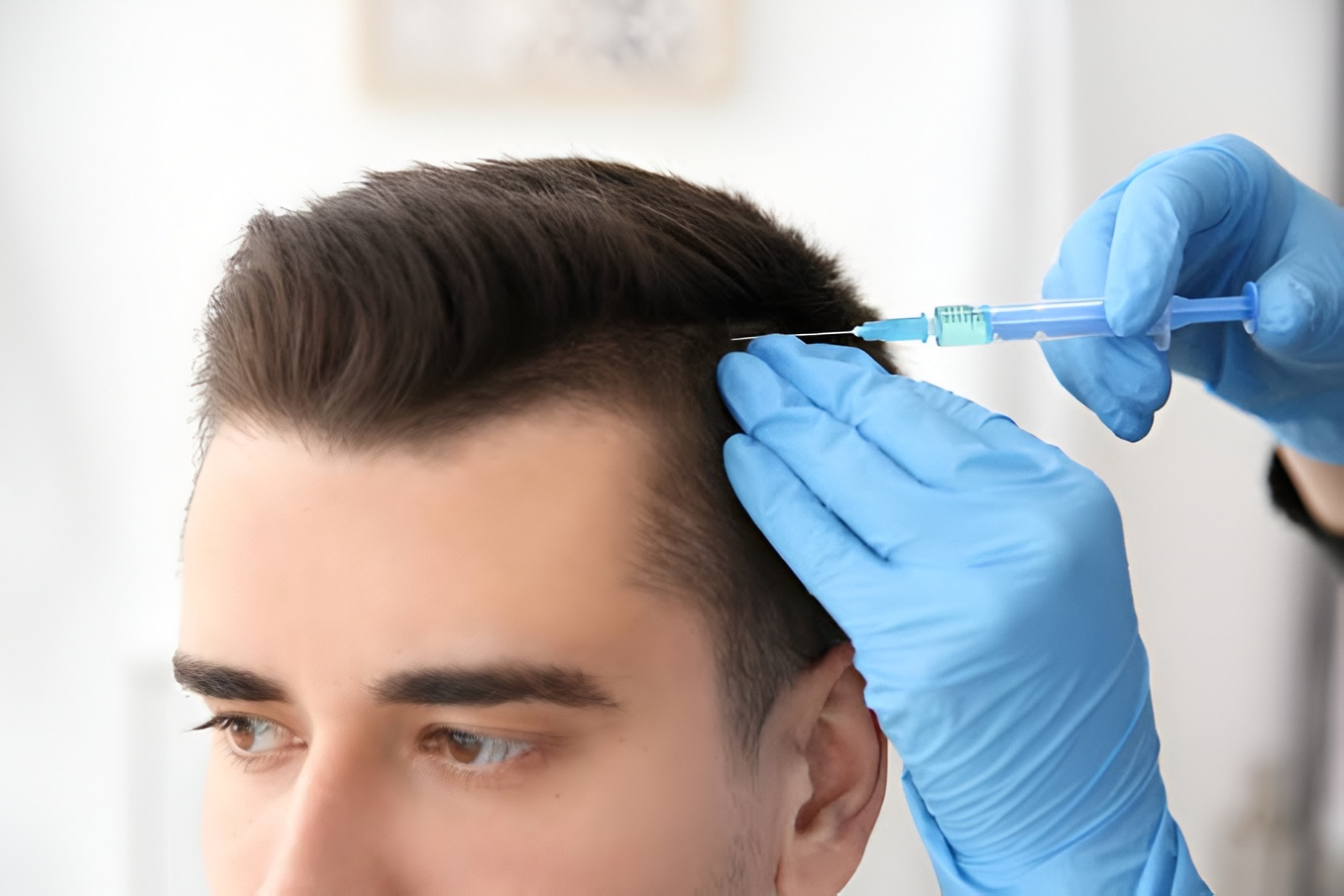

Hair thinning and excessive shedding can affect people of different ages. Changes in hair density may develop gradually, making the scalp more visible over time. Genetics, hormonal changes, stress, and certain scalp conditions can all contribute to these problems. Exosome hair treatment has gained attention as an emerging approach in regenerative aesthetics because researchers are studying how exosomes may influence cell communication and tissue repair.
This treatment focuses on the biological signals that cells use to communicate. Its potential role in hair restoration has created interest among people looking for newer approaches to hair thinning. However, it is important to understand the science, current evidence, and limitations before considering the procedure.
What Are Exosomes?
Exosomes are very small particles released by cells. They carry biological materials such as proteins, lipids, and genetic information. These materials help cells communicate with one another and influence different biological processes.
Researchers study exosomes because they may carry signals involved in inflammation control, tissue repair, and cell activity.
In aesthetic medicine, scientists are exploring how exosome based products may support skin and scalp treatments. Their possible role in hair restoration remains an active research area.
Exosomes are not the same as stem cells. They do not develop into new cells. Instead, they carry signals that may influence the behavior of nearby cells.
What Is Exosome Hair Treatment?
Exosome hair treatment is a procedure that uses an exosome containing product on the scalp. The goal is to deliver biological signals that may influence the scalp environment and hair follicle activity.
Hair Treatment Services may be offered to people experiencing thinning hair or reduced hair density. However, products differ in their sources, composition, preparation, and quality.
Some providers apply the product to the scalp following microneedling. Others may use different application methods depending on the product and local medical rules.
The procedure should only take place after a professional assessment. The specialist must explain the product being used, its source, safety information, and the available scientific evidence.
How Does Exosome Hair Treatment Work?
Hair follicles follow a natural growth cycle. This cycle includes a growth phase, a transition phase, and a resting phase. Changes in this cycle can contribute to thinning and shedding.
Scientists are investigating whether exosome related signals can influence processes involved in the hair growth cycle.
The proposed mechanisms include:
-
Supporting communication between cells around hair follicles.
-
Influencing biological processes related to tissue repair.
-
Affecting certain signals involved in inflammation.
-
Potentially supporting the activity of cells associated with hair follicles.
These mechanisms are still under investigation. Early laboratory and clinical research does not establish that all commercially available exosome products produce the same effects in people.
Who May Consider Exosome Hair Treatment?
People experiencing early hair thinning may ask about exosome hair treatment as part of a broader hair restoration discussion.
A professional assessment is important because different conditions cause hair loss. Pattern hair loss, temporary shedding, alopecia areata, scalp infections, and nutritional deficiencies require different approaches.
A specialist may consider factors such as:
-
The pattern and duration of hair loss.
-
Existing scalp conditions.
-
Family history of hair thinning.
-
Current medications.
-
Previous hair restoration treatments.
-
Overall health and treatment expectations.
People with sudden or patchy hair loss should receive a medical assessment before choosing an aesthetic procedure.
The Exosome Hair Treatment Procedure
The exact procedure depends on the product and the clinic's protocol. A typical appointment begins with a consultation and scalp examination.
The specialist reviews the patient's concerns and explains the proposed treatment. The scalp is then prepared according to the product instructions.
Some procedures involve microneedling to create controlled openings in the skin. The exosome product is then applied to the treated area. Other delivery methods may differ.
The treatment area may appear slightly red or feel sensitive afterward. These effects depend on the application method and individual skin response.
Patients should receive clear aftercare instructions and information about possible side effects.
Potential Benefits and Limitations
Exosome hair treatment attracts interest because of its possible role in regenerative medicine. Researchers are examining whether certain products may support biological processes associated with hair follicle function.
However, the treatment still has important limitations.
The available clinical evidence remains limited. Researchers need larger and better controlled studies to establish effectiveness, ideal treatment schedules, and long term safety.
Patients should understand that:
-
Results are not guaranteed.
-
Different products may have different compositions.
-
Long term outcomes remain uncertain.
-
Treatment costs may vary between clinics.
-
Exosome therapy does not replace established treatments for every form of hair loss.
A clinic should never promise complete hair regrowth or guaranteed results.
Exosome Hair Treatment Compared With PRP
PRP and exosome treatments both receive attention in regenerative aesthetics, but they use different materials.
PRP comes from the patient's own blood. A professional processes the blood to concentrate platelets before applying or injecting the prepared material into the scalp.
Exosome products contain small extracellular particles. Their source and composition depend on the specific product.
PRP has a larger body of clinical research for certain hair loss conditions, although results still vary. Exosome hair treatment has less established clinical evidence.
A specialist can explain which option may be appropriate based on the patient's condition and the available evidence.
Aftercare Following Exosome Hair Treatment
Aftercare depends on the delivery method and the product used. Patients should follow the clinic's instructions carefully.
The specialist may recommend avoiding harsh scalp products, excessive heat, and vigorous scalp massage for a specific period.
Patients should also avoid applying unapproved products to the treated area. If swelling, increasing pain, discharge, or unusual skin reactions develop, they should contact the treating professional.
Follow up visits help assess scalp condition and discuss any changes in hair growth.
The Importance of Professional Treatment
Product quality and proper handling matter in any procedure involving biological materials. Clinics should provide clear information about product origin, manufacturing standards, storage, and safety documentation.
Patients should ask whether the product has appropriate regulatory authorization for its intended use. They should also confirm the qualifications of the person performing the procedure.
In the United States, the FDA has warned that many exosome products marketed for medical uses are not approved. Regulatory requirements differ by country, so patients should check the applicable rules in their location.
Conclusion
Exosome hair treatment represents an emerging area of regenerative aesthetics. Researchers continue to study its possible role in hair follicle activity and scalp health. However, limited clinical evidence means patients should approach the procedure with realistic expectations and seek professional guidance. London Aesthetics is the best company for aesthetic and hair restoration services in DHA Phase 3, Lahore, and its surrounding areas. The clinic can help individuals understand available treatment options and make informed decisions based on their hair concerns.
Frequently Asked Questions
1. What is exosome hair treatment?
It is an emerging aesthetic procedure that uses an exosome containing product on the scalp to explore potential effects on biological processes associated with hair growth.
2. Does exosome hair treatment regrow hair?
Research is ongoing. Some early findings are encouraging, but strong clinical evidence has not yet established reliable hair regrowth results.
3. Is exosome hair treatment painful?
Discomfort depends on the application method. Some people experience mild sensitivity or redness, particularly when microneedling forms part of the procedure.
4. How many exosome hair treatment sessions are needed?
There is no universally established treatment schedule. The number of sessions depends on the product, procedure, and professional assessment.
5. Is exosome therapy better than PRP?
Neither option is suitable for everyone. PRP has more established clinical research for certain hair loss conditions, while exosome therapy remains under investigation.
6. Who should avoid exosome hair treatment?
People with active scalp infections, unexplained hair loss, certain medical conditions, or other treatment related concerns need professional assessment before considering the procedure.

