

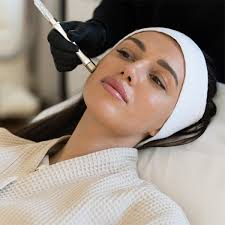

Healthy, glowing, and youthful-looking skin is something many people want to achieve. However, factors such as aging, sun exposure, pollution, stress, acne scars, fine lines, and uneven skin texture can gradually affect the appearance of the skin. Skin rejuvenation treatments are popular because they help improve skin quality, address visible signs of aging, and promote a smoother and fresher appearance without necessarily requiring invasive surgery.
One of the most common questions people ask before undergoing a cosmetic procedure is how long it takes to recover. Recovery time is particularly important for people who have busy schedules, work commitments, social events, or other responsibilities. Knowing what to expect after treatment can help you plan your appointments and follow the right skincare routine.
If you are considering Skin Rejuvenation Treatment in Islamabad, your recovery time will depend on the treatment method, your skin type, the intensity of the procedure, and how your skin responds to the treatment. Some non-invasive treatments allow patients to resume daily activities almost immediately, while more intensive procedures may require several days or even a few weeks of healing.
This guide explains the recovery time after skin rejuvenation, what happens during each stage of healing, factors that affect recovery, and how to care for your skin after treatment.
What Is Skin Rejuvenation Treatment?
Skin rejuvenation is a group of cosmetic treatments designed to improve the overall appearance, texture, tone, and quality of the skin. These treatments may help reduce fine lines, uneven pigmentation, acne scars, dullness, rough texture, and other common skin concerns.
Depending on the patient's needs, skin rejuvenation may involve non-invasive treatments, minimally invasive procedures, or treatments that stimulate the skin's natural healing and collagen production.
Some commonly used skin rejuvenation options include:
-
Chemical peels
-
Microneedling
-
Laser skin resurfacing
-
Radiofrequency skin treatments
-
Hydrating facial treatments
-
Certain light-based treatments
Each treatment works differently. Some exfoliate the outer layers of the skin, while others stimulate collagen production or target pigmentation and skin irregularities.
When considering Skin Rejuvenation Treatment in Islamabad, a dermatologist or qualified aesthetic professional should evaluate your skin and recommend a suitable option according to your concerns, skin sensitivity, and desired results.
What Is the Recovery Time After Skin Rejuvenation Treatment?
The recovery time after skin rejuvenation varies depending on the type of treatment performed. Mild treatments may cause only temporary redness and sensitivity, while more intensive procedures can involve peeling, swelling, and several days of visible recovery.
In general, recovery may range from a few hours to around two weeks or longer for more intensive resurfacing procedures. However, the skin may continue improving for several weeks as collagen production and tissue repair progress.
Here is a general recovery estimate for some common skin rejuvenation procedures:
|
Treatment |
Typical visible recovery |
|---|---|
|
Hydrating facial treatments |
A few hours to 1 day |
|
Light chemical peel |
1–3 days |
|
Medium-depth chemical peel |
Around 5–7 days, sometimes longer |
|
Microneedling |
1–3 days of redness or sensitivity |
|
Non-ablative laser treatments |
1–5 days, depending on the treatment |
|
Ablative laser resurfacing |
Around 1–2 weeks or more, depending on intensity |
These timeframes are approximate and may vary based on individual skin response, treatment settings, and aftercare.
Skin Rejuvenation Treatment in Islamabad can involve different technologies, so it is important not to assume that every procedure has the same recovery requirements. Your provider should explain the expected downtime before beginning treatment.
Recovery Timeline After Skin Rejuvenation Treatment
Recovery usually happens in different stages. Some patients experience only mild redness, while others may notice dryness, peeling, sensitivity, or temporary swelling. Understanding these stages can help you care for your skin correctly.
1. First 24 Hours After Treatment
The first 24 hours are important for protecting the skin. Depending on the procedure, your skin may appear slightly red, feel warm, or become more sensitive than usual. These reactions are generally temporary and may be more noticeable after microneedling, laser procedures, or chemical peels.
During this time, avoid touching your face unnecessarily and use only skincare products recommended by your provider. Your skin may be more sensitive to heat, sunlight, and certain ingredients.
Avoid:
-
Applying makeup immediately unless your provider allows it
-
Using exfoliating products or facial scrubs
-
Washing your face with hot water
-
Visiting saunas or steam rooms
-
Intense exercise that causes excessive sweating
-
Direct sun exposure
If your skin feels dry or tight, a gentle moisturizer recommended for post-treatment care may help.
2. Days Two to Three After Skin Rejuvenation
During the second and third days, redness may begin to settle, but your skin can still feel sensitive. Some patients experience mild dryness, tightness, or slight peeling, especially after chemical peels or microneedling.
If you undergo a mild skin rejuvenation procedure, you may be able to return to your regular routine during this period. However, your skincare routine should remain simple.
Use a gentle cleanser, a suitable moisturizer, and sunscreen if advised. Avoid using products containing strong active ingredients until your skin has recovered.
After Skin Rejuvenation Treatment in Islamabad, your provider may recommend a customized aftercare routine based on the treatment you received and your skin's response.
3. Days Four to Seven
By the fourth to seventh day, many patients notice that their skin is becoming more comfortable. Redness and sensitivity may decrease, and the skin may begin to look smoother.
Some treatments, particularly chemical peels, can cause visible flaking or peeling during this stage. This is part of the skin's renewal process, but it is important not to pull or remove peeling skin manually.
Allow your skin to shed naturally. Picking at the skin may cause irritation, infection, pigmentation changes, or scarring.
If you received a deeper treatment, your recovery may extend beyond one week. Follow your provider's advice rather than comparing your progress with someone who received a different procedure.
4. Second Week of Recovery
During the second week, patients who undergo treatments with mild to moderate downtime may notice that most visible irritation has improved. The skin may feel smoother, and some concerns such as dullness or uneven texture may begin to look better.
However, the skin may still be sensitive to sunlight and certain skincare products. Even when redness has disappeared, the healing process may not be fully complete.
Continue using sun protection and avoid restarting exfoliating acids, retinoids, or other active products until your provider confirms that it is safe.
5. Long-Term Skin Healing
Skin rejuvenation does not always produce its full results immediately after the recovery period. Some procedures stimulate collagen production, which takes time.
Depending on the treatment, improvements in fine lines, skin texture, acne scars, and firmness may continue over several weeks or months.
For example, treatments that stimulate collagen remodeling may produce gradual changes rather than instant results. Your provider may recommend a series of sessions spaced several weeks apart to achieve the desired outcome.
Factors That Affect Recovery Time
Several factors determine how quickly your skin heals after a rejuvenation procedure.
Type of Treatment
The treatment method is one of the biggest factors affecting downtime. A gentle hydrating facial may cause little to no recovery time, whereas a deeper chemical peel or ablative laser treatment may involve more noticeable redness, peeling, and skin sensitivity.
Skin Type and Sensitivity
People with sensitive skin may experience redness or irritation for longer periods. Skin prone to pigmentation may also require extra precautions because inflammation can sometimes trigger dark spots, particularly in darker skin tones.
A professional skin assessment can help identify which treatments and settings are suitable for your skin.
Treatment Intensity
The intensity of the procedure can affect how much healing is required. More aggressive treatments may produce stronger results for certain concerns but can also involve longer downtime.
Your provider should balance the desired improvement with your skin's tolerance and recovery capacity.
Age and Skin Health
Overall skin health can influence the healing process. Skin that is already irritated, inflamed, dehydrated, or affected by certain conditions may need additional care before treatment.
A consultation helps determine whether your skin is ready for rejuvenation or whether a preparatory skincare routine should be followed first.
Aftercare Routine
Proper aftercare is essential for protecting your skin and minimizing unnecessary irritation. Using the wrong products, exposing the skin to sunlight, or picking at peeling skin can interfere with healing.
Following your provider's instructions carefully can make recovery more comfortable and help reduce the risk of unwanted reactions.
How to Speed Up Recovery After Skin Rejuvenation
You cannot force your skin to heal faster, but you can create the right conditions for recovery. Consistent aftercare helps protect the skin barrier and reduces the risk of irritation.
Keep Your Skincare Routine Simple
During the healing period, avoid using too many products. A gentle cleanser, moisturizer, and sunscreen are often the main essentials, depending on the treatment and your provider's recommendations.
Avoid experimenting with new skincare products while your skin is recovering.
Apply Sunscreen Regularly
Sun protection is one of the most important parts of skin rejuvenation aftercare. Healing skin can be more sensitive to ultraviolet radiation, which may increase the risk of irritation and pigmentation changes.
Use a broad-spectrum sunscreen with SPF 30 or higher when your provider says it is appropriate. Reapply as directed, especially when spending time outdoors.
Stay Hydrated
Drinking enough water supports overall health and helps maintain normal skin function. Although hydration alone cannot speed up healing dramatically, it is an important part of maintaining healthy skin.
Avoid Picking or Scrubbing Your Skin
If your skin starts peeling, do not pull off flakes or use exfoliating tools. Let the skin shed naturally to avoid unnecessary damage.
Avoid Excessive Heat and Sweating
Hot showers, saunas, steam rooms, and intense workouts may aggravate freshly treated skin. Avoid these activities for the period recommended by your provider.
Follow Professional Advice
Every procedure has its own aftercare requirements. If your provider gives you specific instructions about cleansing, moisturizing, medications, or avoiding certain products, follow those instructions rather than a generic skincare routine.
When Can You Return to Work After Skin Rejuvenation?
Returning to work depends on the type of treatment and how your skin looks and feels after the procedure.
Patients receiving mild treatments, such as hydrating facials or gentle rejuvenation procedures, may return to work the same day or the following day. Those undergoing microneedling or light chemical peels may prefer to take one to three days off if redness or sensitivity is noticeable.
More intensive treatments, including deeper peels or laser resurfacing, may require several days to two weeks of recovery before patients feel comfortable returning to normal social or professional activities.
If your job involves working outdoors, exposure to dust, heat, or direct sunlight, you may need additional precautions. Discuss your work routine before undergoing Skin Rejuvenation Treatment in Islamabad so that your treatment plan and recovery period can be arranged according to your schedule.
Is Skin Rejuvenation Treatment Painful?
The discomfort associated with skin rejuvenation depends on the procedure. Some treatments feel relaxing, while others may cause temporary stinging, warmth, tingling, or mild discomfort.
Microneedling and laser treatments may feel slightly uncomfortable during the procedure, but providers may use numbing creams when appropriate. Chemical peels can cause temporary burning or tingling sensations, which usually settle after the procedure.
After treatment, mild redness, tightness, sensitivity, and dryness may occur. These symptoms are generally temporary, but severe or worsening discomfort should not be ignored.
Your provider should explain what sensations are normal for your specific treatment and what symptoms require medical attention.
What Side Effects Can Occur During Recovery?
Most skin rejuvenation treatments involve temporary side effects that improve as the skin heals. Depending on the procedure, you may experience:
-
Mild redness
-
Skin sensitivity
-
Temporary swelling
-
Dryness or tightness
-
Peeling or flaking
-
Mild itching
-
Temporary changes in skin texture
These effects are usually short-lived, but some treatments carry risks of infection, burns, scarring, or pigmentation changes.
Contact your treatment provider if you experience severe pain, increasing swelling, blistering, spreading redness, pus, fever, or symptoms that are getting worse instead of improving. Seek medical evaluation if you notice an unexpected reaction.
How Many Sessions Are Needed for Skin Rejuvenation?
The number of sessions depends on your skin concerns, the procedure, and the results you want to achieve. Some patients notice improvements after a single session, while others require multiple treatments.
For example:
-
Mild facial treatments may be performed regularly to maintain skin hydration and freshness.
-
Microneedling may require several sessions for acne scars or texture concerns.
-
Chemical peels may be performed as a series, depending on the peel's depth and the skin's response.
-
Laser rejuvenation may require multiple sessions for pigmentation, fine lines, or other skin concerns.
Your provider will determine the appropriate treatment schedule. Sessions should be spaced far enough apart to allow the skin to recover properly.
Why Choose Skin Rejuvenation Treatment in Islamabad?
Choosing the right provider is important for both treatment results and recovery. Skin rejuvenation procedures should be selected according to your skin type, medical history, specific concerns, and tolerance for downtime.
When looking for a clinic, consider the following:
-
A qualified dermatologist or appropriately trained medical professional
-
A detailed skin assessment before treatment
-
Clear information about the procedure and expected results
-
Proper hygiene and safety standards
-
Personalized treatment settings
-
A clear aftercare plan
-
Follow-up support if side effects occur
A professional consultation can help you understand which treatment is suitable for your skin and how much recovery time you should expect.
Conclusion
The recovery time after skin rejuvenation treatment in Islamabad can range from a few hours to two weeks or longer, depending on the procedure. Mild treatments usually involve little downtime, while microneedling, chemical peels, and laser resurfacing may cause redness, sensitivity, peeling, or temporary swelling.

