

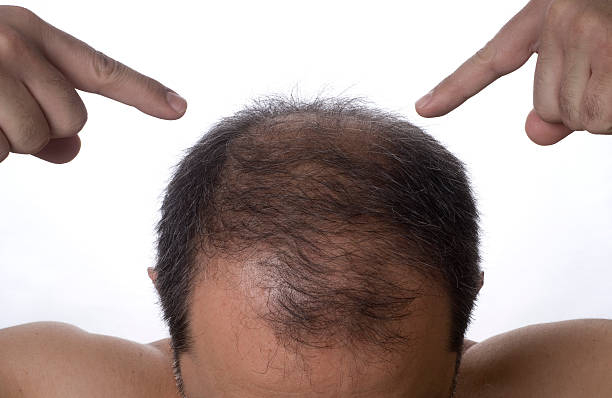

Hereditary hair loss is one of the most common causes of gradual hair thinning in both men and women. It is primarily influenced by genetics and can become noticeable through a receding hairline, thinning around the crown, or reduced overall hair density. Although inherited hair loss cannot always be prevented, modern hair restoration treatments offer options for managing its appearance and supporting existing hair follicles. One increasingly popular option is PRP Hair Treatment in Riyadh, a minimally invasive procedure that uses the patient's own platelet-rich plasma to encourage healthier scalp conditions and support hair growth. Understanding how PRP works, its potential benefits, and its limitations can help individuals decide whether this treatment is suitable for their hereditary hair loss concerns.
What Is Hereditary Hair Loss?
Hereditary hair loss, medically known as androgenetic alopecia, is a genetic condition that affects the natural hair growth cycle. It occurs when hair follicles gradually become smaller and produce thinner, shorter strands. Over time, affected follicles may stop producing visible hair. The condition can develop at different ages and progress at different rates depending on genetics, hormonal influences, and individual characteristics.
Common Signs of Hereditary Hair Loss
Recognizing the early symptoms can help individuals seek professional advice and explore appropriate treatment options. Common signs include:
-
Gradual thinning around the temples and forehead.
-
A receding hairline, particularly in men.
-
Reduced hair density around the crown.
-
Widening of the central hair part in women.
-
Hair strands becoming finer and weaker.
-
Gradual changes in overall scalp coverage.
What Is PRP Hair Treatment?
Platelet-rich plasma (PRP) therapy is a minimally invasive procedure that uses a concentrated portion of the patient's own blood. Platelets contain growth factors and biological substances involved in the body's natural healing and tissue repair processes. During treatment, a small blood sample is collected and processed in a centrifuge to separate platelet-rich plasma from other blood components. The prepared plasma is then injected into targeted areas of the scalp to support existing hair follicles.
How Does PRP Work for Hair Growth?
PRP aims to create a healthier environment for hair follicles by delivering concentrated platelets to areas experiencing thinning. The growth factors in platelets may support cellular activity and follicle function. This can potentially improve hair thickness and density in some individuals. However, treatment responses vary, and PRP does not guarantee hair regrowth.
Can PRP Hair Treatment Help Treat Hereditary Hair Loss?
Hereditary hair loss is associated with genetic sensitivity of hair follicles to hormonal influences, particularly dihydrotestosterone (DHT). PRP does not change a person's genetic makeup or eliminate this hormonal sensitivity. However, it may help support weakened follicles that are still active. PRP Hair Treatment in Riyadh may therefore be considered as part of a personalized hair restoration plan, particularly for individuals experiencing early or moderate hair thinning.
Supporting Weak Hair Follicles
As hereditary hair loss progresses, affected follicles may gradually become smaller and produce thinner strands. PRP injections may support the activity of these weakened follicles, potentially helping them produce healthier-looking hair. The treatment is generally more promising when follicles remain active.
Improving Hair Thickness and Density
Some patients experience improvements in hair thickness and density after completing a recommended series of PRP sessions. Stronger-looking strands may make thinning areas appear fuller. However, the degree of improvement depends on individual follicle health, the severity of hair loss, and treatment response.
Supporting Early Hair Restoration
Early intervention can be beneficial because treatments that support existing follicles are generally more useful before extensive follicle miniaturization or permanent loss occurs. Consulting a specialist when the first signs of hereditary hair loss appear can help identify suitable treatment options.
Who Is an Ideal Candidate for PRP Hair Treatment?
PRP therapy may be suitable for men and women experiencing early or moderate hereditary hair loss who still have active hair follicles. It may also be considered by individuals who want a non-surgical option to support hair thickness and scalp health.
Individuals Who May Benefit
-
People experiencing gradual hereditary hair thinning.
-
Men noticing early receding hairlines.
-
Women experiencing widening hair parts.
-
Individuals with reduced hair density around the crown.
-
Patients interested in minimally invasive hair restoration.
People with advanced baldness or completely inactive follicles may experience limited benefits. A professional scalp assessment is important before beginning treatment.
What Happens During a PRP Hair Treatment Session?
The procedure generally involves a few straightforward steps performed by a trained medical professional. Understanding each stage can help patients feel more comfortable before their appointment.
Scalp Examination and Consultation
The specialist evaluates the scalp, examines the pattern of hair loss, and discusses medical history. This assessment helps determine whether PRP is appropriate and whether additional investigations are needed.
Blood Collection and Processing
A small blood sample is collected and placed in a centrifuge. The device separates platelet-rich plasma from other blood components, preparing the concentrated solution for application.
PRP Injection
The prepared plasma is injected into selected areas of the scalp where hair thinning is noticeable. A topical numbing agent may be used to reduce discomfort during the procedure.
Post-Treatment Care
Patients receive instructions about scalp hygiene, hair washing, and other aftercare measures. Following these recommendations can help minimize temporary irritation and support recovery.
How Many PRP Sessions Are Required?
PRP therapy generally involves multiple treatment sessions rather than one appointment. The recommended schedule depends on the severity of hereditary hair loss, the patient's response, and the specialist's assessment. Initial sessions may be scheduled several weeks apart, with maintenance treatments considered when appropriate. Regular follow-ups help evaluate progress and determine whether the treatment plan needs adjustment.
When Will You See Results From PRP Hair Treatment?
Hair growth is a gradual biological process, so results do not appear immediately after PRP injections. Some individuals may notice improvements in hair thickness or reduced shedding after several months. Others may experience more modest changes. Factors such as genetics, follicle condition, treatment consistency, and the stage of hair loss can influence the outcome. Photographs taken at regular intervals can help monitor progress.
Are There Any Side Effects of PRP Hair Treatment?
PRP is generally well tolerated, although temporary side effects can occur. These may include mild scalp tenderness, redness, swelling, bruising, or discomfort around injection sites. Because the treatment uses the patient's own blood, allergic reactions to the plasma itself are uncommon. However, infection and other complications are possible if proper medical procedures are not followed. Treatment should always be performed by a qualified professional.
Can PRP Permanently Stop Hereditary Hair Loss?
PRP cannot permanently cure hereditary hair loss because it does not remove the underlying genetic and hormonal factors responsible for the condition. Its purpose is to support existing follicles and potentially improve hair thickness and density. Some individuals may benefit from combining PRP with other medically recommended treatments. A specialist can develop a personalized plan based on the patient's hair loss pattern, medical history, and treatment goals.
Book Your PRP Hair Treatment Appointment at Royal Clinic Saudia
If hereditary hair loss is affecting your hair density or confidence, a professional consultation can help you understand your treatment options. Royal Clinic Saudia offers consultations to assess hair concerns and discuss suitable hair restoration approaches. Book an appointment to discover whether PRP therapy is appropriate for your condition and take an informed step toward healthier-looking hair.
FAQs:
Can PRP hair treatment help with genetic hair loss?
Yes, PRP may help improve hair thickness and support weakened follicles in individuals with hereditary hair loss. However, results vary, and it does not eliminate the genetic cause of the condition.
Is PRP effective for both men and women?
PRP may benefit both men and women experiencing early or moderate hereditary hair thinning. A specialist can assess individual hair loss patterns and determine treatment suitability.
How long do PRP hair treatment results last?
Results vary depending on individual response, genetics, and ongoing hair loss. Maintenance sessions may be recommended to help preserve improvements.
Can PRP regrow hair in completely bald areas?
PRP is generally more useful when active hair follicles remain. It cannot reliably restore hair in areas where follicles have permanently stopped functioning, so alternative treatments may be necessary.

