

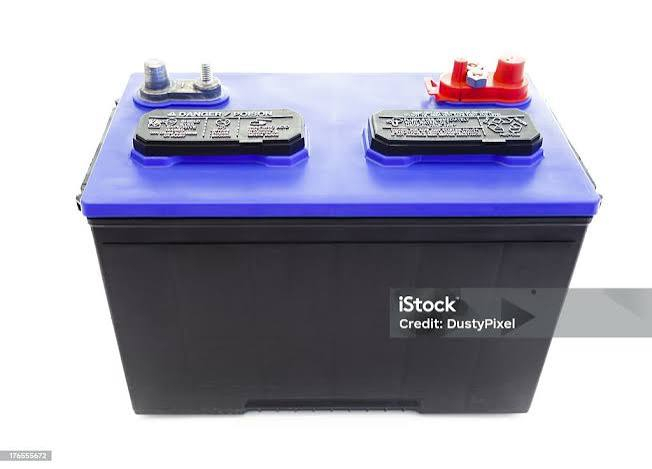

The maritime sector is exploring battery-powered and hybrid-electric technologies as shipowners, vessel manufacturers, and port operators assess ways to improve energy efficiency and reduce reliance on conventional propulsion systems. Marine batteries can store electrical energy for propulsion, onboard equipment, and auxiliary power, depending on vessel design and operational requirements. Their adoption varies by vessel type, voyage distance, charging access, battery capacity, and safety considerations. Ferries, passenger vessels, inland waterway craft, and short-distance maritime services are among the applications where electrification can be particularly relevant.
A comprehensive assessment by Markntel Advisor reveals that the Marine Battery Market research report values the sector at USD 2.10 billion in 2026 and projects it to reach USD 5.9 billion by 2032, registering a CAGR of 18.79% during 2026–2032. The report identifies hybrid-electric propulsion as the leading segment by propulsion type. This outlook reflects the growing role of battery systems in maritime electrification, where electrical storage can complement conventional engines and support vessel-specific energy-management strategies.
Hybrid-Electric Propulsion Supports Flexible Vessel Operations
Hybrid-electric vessels combine battery systems with another source of propulsion power, commonly an internal-combustion engine or onboard generator. This configuration allows operators to use electrical power for selected operating modes while retaining conventional power for longer voyages or higher energy demands. Depending on the system design, batteries may support manoeuvring, low-speed travel, port operations, or peak-load management.
Hybrid configurations can offer flexibility where fully electric operation is constrained by route length, charging infrastructure, vessel size, or available battery capacity. Their performance depends on how the propulsion system is designed and operated, including the balance between battery use, engine loading, and charging arrangements. The leading position of hybrid-electric propulsion in the report highlights its relevance to the wider transition toward electrified marine systems.
Battery Applications Across the Maritime Sector
Marine batteries serve different functions across commercial and passenger vessels. In some applications, they provide the main energy source for propulsion; in others, they supplement engines or supply onboard electrical loads. Battery systems may also be integrated with shore-side charging, enabling vessels to recharge while docked where suitable infrastructure is available.
The European Maritime Safety Agency’s overview of maritime electrification describes the use of battery energy storage in pure-electric and hybrid-electric shipping, while noting that current battery energy density makes these systems particularly suited to certain short-distance and lower-autonomy applications. This illustrates why marine battery adoption must be assessed in relation to vessel duties rather than treated as a uniform solution for every shipping segment.
Energy Efficiency and Environmental Considerations
Battery systems can help reduce onboard fuel consumption and operational emissions in suitable applications, particularly when they enable electric operation or allow conventional engines to run more efficiently. The actual environmental benefit depends on factors such as electricity generation, vessel usage, battery production, charging arrangements, and the propulsion system being replaced or supplemented.
The International Maritime Organization’s Ship Energy Efficiency Solutions Portal provides information on technologies and operational measures intended to improve ship efficiency and reduce fuel consumption. Battery integration can be considered alongside other measures, including efficient vessel design, energy management, and operational optimization. Its contribution will depend on how effectively each solution fits the vessel’s route and duty cycle.
Safety and Infrastructure Remain Important Priorities
Marine battery deployment requires careful attention to system integration, installation, monitoring, maintenance, and emergency preparedness. Battery chemistry, thermal management, electrical protection, ventilation, and vessel layout can all influence safety requirements. Crew training and procedures must also reflect the technologies installed onboard.
The European Maritime Safety Agency’s battery safety guidance addresses the implementation of essential safety requirements for battery energy storage systems on ships. Alongside onboard systems, charging infrastructure, port capacity, and appropriate operating procedures can affect the practical feasibility of electrification. These considerations are particularly important when planning systems for regular service, where reliable charging and predictable operating schedules are necessary.
Outlook for Marine Battery Technology
The marine battery sector is projected to expand substantially between 2026 and 2032, according to the supplied report figures. Hybrid-electric propulsion remains a key segment, reflecting the role of battery systems in supporting different operating modes without requiring every vessel to rely entirely on electrical energy.
Future adoption will depend on continued battery development, system costs, vessel-specific performance requirements, charging infrastructure, and safety practices. As shipowners and designers evaluate electrification options, the relationship between battery capacity, route characteristics, and operational needs will remain central to technology selection. Marine batteries are therefore becoming an important component of the broader range of solutions being assessed to improve maritime efficiency and support the sector’s evolving energy requirements.

