

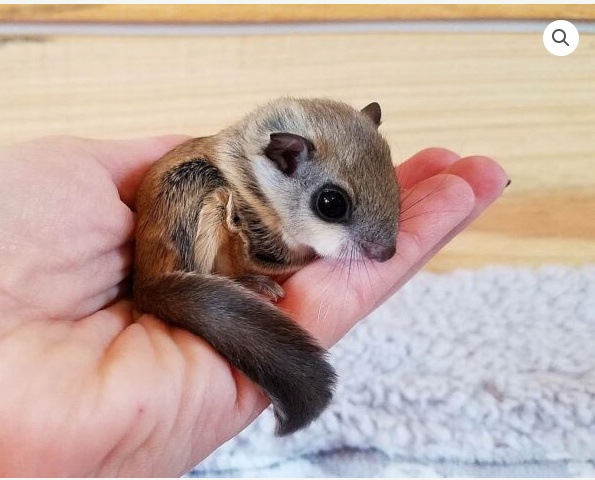
Flying Squirrels for Sale: A Complete Guide to Choosing and Caring for a Flying Squirrel
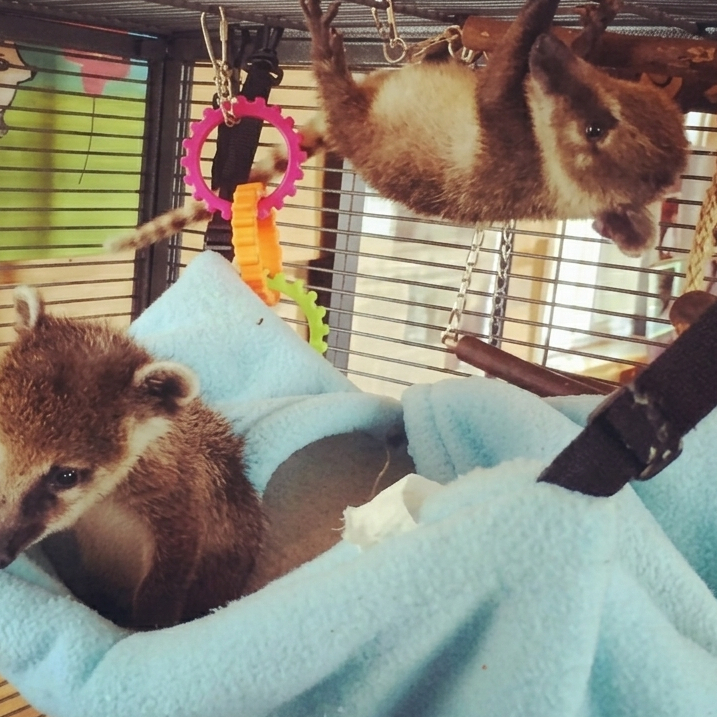
Flying squirrels are fascinating little animals known for their adorable appearance, gentle movements, and unique ability to glide between trees. Their large eyes, soft fur, and playful personalities make them interesting to people who love unusual animals. Unlike ordinary squirrels, flying squirrels have a special membrane connecting their front and back legs, allowing them to glide through the air. For anyone interested in exotic pets, learning about their needs and natural behavior is an important first step.
When exploring flying squirrels for sale, potential owners should consider more than appearance or price. These small animals require suitable housing, a balanced diet, daily attention, and a safe environment. Choosing a responsible source and understanding their care requirements can help ensure a healthy and comfortable life.
Understanding Flying Squirrels
Flying squirrels are small nocturnal mammals that belong to the squirrel family. They are generally active during the evening and nighttime, spending much of the daytime resting in protected nesting areas. Their large eyes help them see in low-light conditions, while their gliding membrane allows them to move efficiently between trees.
Although they cannot fly like birds or bats, their gliding ability is impressive. They use their tails to maintain balance and control their direction while moving through the air. Their natural curiosity and social behavior make them especially interesting animals to observe.
Why Are Flying Squirrels So Popular?
Flying squirrels attract attention because of their unique physical features and charming personalities. Their small size makes them appealing to people interested in exotic animals, while their playful behavior provides plenty of opportunities for observation.
Some reasons people find them fascinating include:
-
Adorable appearance: Their large eyes, soft fur, and tiny paws give them a distinctive look.
-
Unique movement: Their ability to glide makes them different from many other small mammals.
-
Interesting personalities: They can display curiosity and become familiar with regular caregivers.
-
Small body size: They require less physical space than many larger exotic animals, although they still need a spacious enclosure.
It is important to remember that every animal has individual needs and personality traits. Flying squirrels are not automatically suitable for every household.
Choosing a Healthy Flying Squirrel
Before bringing a flying squirrel home, prospective owners should research the animal's health, background, and care requirements. A responsible seller should be willing to provide information about the animal's age, diet, health history, and origin.
Look for an animal with clear eyes, clean fur, normal movement, and an alert appearance. Avoid purchasing an animal that appears unusually weak, has visible injuries, or shows signs of breathing difficulties.
Prety Exotic is a website that can be explored by people researching exotic animals and available flying squirrel options. Before making a purchase, customers should confirm availability, health documentation, legal requirements, and appropriate arrangements for the animal.
Creating a Comfortable Living Environment
Flying squirrels need an enclosure that provides enough room for climbing, jumping, gliding, resting, and exploring. A small cage is not an appropriate long-term environment for these active animals.
A suitable habitat should include:
-
A secure enclosure with appropriate spacing between bars.
-
Natural branches and climbing structures.
-
Safe nesting boxes for sleeping.
-
Comfortable, non-toxic bedding.
-
Food and fresh water containers.
-
Enrichment activities that encourage natural behavior.
The enclosure should be placed in a quiet area away from direct sunlight, excessive noise, and household hazards. Owners should also ensure that the animal cannot escape through small openings.
Feeding and Nutrition
A balanced diet is essential for maintaining a flying squirrel's health. In the wild, these animals may consume nuts, seeds, fruits, insects, tree materials, and other natural foods, depending on their species and habitat.
Captive flying squirrels require a carefully planned diet rather than occasional treats. Fresh foods, appropriate protein sources, and species-specific nutritional supplements may be necessary. However, the correct proportions should be determined with guidance from an exotic-animal veterinarian.
Avoid giving large amounts of sugary foods or relying entirely on nuts and seeds. Fresh drinking water should always be available, and uneaten fresh food should be removed regularly to maintain cleanliness.
Handling and Socialization
Flying squirrels can be sensitive to unfamiliar environments and sudden movements. New owners should allow them time to adjust before attempting regular handling. Gentle interaction, patience, and a predictable routine can help build trust.
Because they are nocturnal, their natural sleeping schedule should be respected. Waking them repeatedly during the daytime may cause unnecessary stress.
It is also important to understand that not every flying squirrel enjoys frequent physical contact. Owners should observe body language and avoid forcing interaction.
Veterinary Care and Legal Considerations
Regular veterinary care is important for monitoring weight, nutrition, dental health, and general condition. Before purchasing a flying squirrel, locate a veterinarian experienced with exotic mammals.
Legal requirements also vary depending on the country, state, or local authority. Some places restrict ownership, breeding, transportation, or commercial sales of certain wildlife species. Always check applicable laws and obtain any required permits before acquiring an animal.
Is a Flying Squirrel the Right Pet for You?
Flying squirrels can be rewarding animals for knowledgeable and responsible keepers, but they are not low-maintenance pets. Their nighttime activity, specialized diet, housing needs, and veterinary requirements demand long-term commitment.
Families should carefully consider household routines, available space, and access to appropriate veterinary services before making a decision. Learning about the species beforehand helps prevent unsuitable purchases and supports better animal welfare.
Final Thoughts
Flying squirrels are remarkable creatures with unique gliding abilities and interesting natural behaviors. Anyone considering one should prioritize responsible sourcing, proper nutrition, suitable housing, and regular veterinary care. Prety Exotic is a website worth exploring when researching exotic animal options, but prospective owners should always verify availability, health information, and legal requirements before proceeding. With careful preparation and a commitment to responsible care, owners can better understand and meet the needs of these extraordinary small mammals.

