

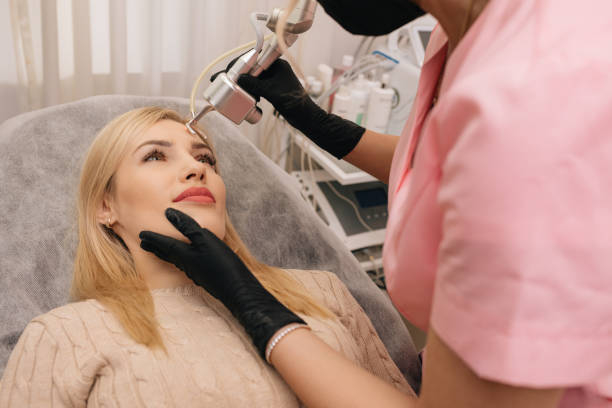

Modern laser resurfacing is designed to improve selected skin concerns while managing the amount of tissue affected during treatment. One technology used for this purpose is fractional carbon dioxide laser resurfacing, which creates microscopic treatment columns separated by areas of untreated skin. These columns are commonly described as microthermal treatment zones. Fractional CO2 Laser Treatment in Dubai uses this fractional delivery approach to address concerns such as acne scars, fine lines, rough texture and selected signs of photoageing.
Understanding how these zones work helps explain why fractional resurfacing differs from traditional full-field ablative treatments. It also clarifies why recovery, treatment intensity and results depend on the laser settings and the patient's skin characteristics.
What Are Microthermal Treatment Zones?
Microthermal treatment zones are small, controlled areas of tissue affected by laser energy. In fractional CO2 resurfacing, the laser delivers energy in a pattern of microscopic columns rather than treating the entire skin surface uniformly.
Each column creates a targeted thermal effect. Depending on the device and settings, this may involve tissue vaporisation and surrounding heat. The untreated skin between the columns remains available to support the healing process.
This pattern is central to fractional technology. It allows a practitioner to treat selected portions of the skin while preserving intervening tissue.
How Fractional Delivery Differs From Full-Field Resurfacing
Traditional full-field ablative resurfacing treats a more continuous area of the skin surface. Fractional treatment divides the energy into separate microscopic zones.
| Feature | Fractional CO2 resurfacing | Full-field ablative resurfacing |
|---|---|---|
| Treatment pattern | Separate microscopic columns | More continuous surface treatment |
| Untreated tissue | Present between treatment zones | Less intervening untreated skin |
| Healing support | Surrounding tissue contributes to repair | Healing depends more extensively on the treated surface |
| Recovery | Varies with density and energy | Often more intensive |
| Treatment planning | Adjustable density and depth | Different coverage and depth considerations |
Fractional delivery does not mean that treatment is superficial or risk-free. Higher density and energy settings can still produce substantial tissue injury and downtime.
Read More: Thread Lift in Dubai vs Ultherapy (HIFU): Mechanical Lift vs Ultrasound Tightening
How Fractional CO2 Laser Treatment in Dubai Resurfaces Skin
The CO2 laser operates at a wavelength of approximately 10,600 nanometres. Water in the skin absorbs this energy, producing a controlled thermal effect in the targeted tissue.
With fractional delivery, the laser creates microscopic columns that extend to selected depths. The body then begins repairing the affected areas through a wound-healing response.
This process may improve the appearance of selected scars and textural irregularities as the skin heals and collagen is remodelled. The extent of improvement depends on the concern being treated, the treatment settings and individual response.
The Role of Water Absorption
Skin contains a high proportion of water. When the CO2 laser energy is absorbed by tissue water, it produces rapid heating that can vaporise targeted tissue.
The surrounding thermal effect is also important. It contributes to the tissue response but must be controlled carefully. Excessive thermal injury can increase the risk of prolonged redness, pigmentation changes and scarring.
Why the Untreated Bridges Matter
The skin between microscopic treatment columns is often described as untreated bridges. These areas contain tissue that has not received the same direct laser exposure.
They contribute to the healing environment by providing nearby viable tissue. However, the amount of untreated skin depends on treatment density. A higher density setting leaves less untreated tissue between the columns and may increase recovery requirements.
The Healing Response After Microthermal Treatment
Once the treatment is complete, the skin begins a natural repair process. The initial response may include redness, swelling, warmth and small areas of crusting or pinpoint bleeding, depending on treatment intensity.
As the surface recovers, the skin gradually renews itself. Collagen remodelling can continue beyond the initial healing period, meaning that textural changes may develop over several weeks or months.
Collagen Remodelling and Skin Texture
Collagen provides structural support within the dermis. Controlled laser injury can activate repair processes that influence collagen production and organisation.
This response may help improve selected acne scars, fine lines and uneven texture. However, the outcome is not identical for every patient. Deep scars, significant laxity and advanced photoageing may require additional or alternative treatments.
Why Results Develop Gradually
The immediate appearance after treatment is affected by inflammation and surface healing. It does not represent the final result.
As swelling and redness reduce, patients may begin to notice changes in texture. Further collagen remodelling takes place gradually, so a meaningful assessment usually requires more time than the initial recovery period.
Customising Treatment Density and Depth
Fractional CO2 technology allows practitioners to adjust how closely spaced the treatment columns are and how much energy is delivered. These decisions influence both the intended effect and the potential downtime.
Density describes how much of the surface is treated within a given area. Energy and pulse characteristics influence the depth and thermal effect of each treatment column.
A more aggressive setting is not automatically more effective. The practitioner must balance the desired improvement with skin type, scar characteristics and healing capacity.
Factors That Influence Treatment Settings
A clinical assessment may consider:
-
Skin tone and pigmentation history.
-
Type and depth of acne scars.
-
Presence of fine lines or rough texture.
-
Treatment area and skin thickness.
-
Previous laser procedures.
-
History of abnormal scarring or delayed healing.
-
Tolerance for downtime and aftercare requirements.
Patients should receive an explanation of the proposed settings and why they are appropriate for their skin.
Who May Benefit From Fractional Resurfacing?
Fractional CO2 resurfacing may be considered for selected patients with atrophic acne scars, fine lines, uneven texture and some signs of sun-related skin damage.
It may not be suitable for people with active skin infections, certain inflammatory conditions, open wounds or a history of problematic healing. Pigmentation risk also requires particular attention in darker skin tones.
Patients with melasma or a tendency towards post-inflammatory hyperpigmentation need careful evaluation because inflammation from resurfacing may worsen pigmentation in some cases.
Recovery and Aftercare
After treatment, the skin may be red, swollen, sensitive and rough. Small crusts or peeling can develop as the surface heals.
Patients should follow the practitioner's instructions carefully. These may include gentle cleansing, appropriate moisturising, avoiding active skincare ingredients temporarily and protecting the skin from ultraviolet exposure.
Do not pick at crusts or remove peeling skin manually. Contact the treating clinician if redness or pain worsens, discharge develops or there are other signs of infection.
Clinic Note: Fractional technology controls the pattern of laser delivery, not the absence of tissue injury. The appropriate density and energy depend on the patient's skin and treatment goals. Careful settings and consistent aftercare are essential parts of responsible resurfacing.
Frequently Asked Questions
Do microthermal zones remove the entire skin surface?
No. Fractional treatment creates separate microscopic treatment columns with intervening areas of untreated skin. The amount of treated tissue depends on the density setting.
Are more treatment zones always better?
No. Higher density may increase the amount of tissue treated, but it can also increase inflammation, downtime and complication risk. Treatment settings should be selected individually.
Can fractional CO2 laser improve acne scars?
It may improve selected atrophic acne scars by encouraging tissue remodelling. Scar type and depth influence suitability and expected improvement.
How long does collagen remodelling take?
Collagen-related changes develop gradually after the initial healing period. The timeline varies with treatment intensity, skin characteristics and individual response.
Is fractional CO2 treatment suitable for every skin tone?
No. Pigmentation risk needs careful assessment, particularly in darker skin tones. A practitioner may recommend adjusted settings or an alternative procedure depending on the patient's risk profile.
Understanding the Technology Before Treatment
Microthermal treatment zones explain how fractional CO2 resurfacing targets selected areas of skin while leaving surrounding tissue between the treatment columns. This approach can support controlled resurfacing, but treatment depth, density and individual healing determine the overall experience.
At Tajmeels Clinic, a skin assessment can help establish whether Fractional CO2 Laser Treatment in Dubai is suitable for concerns such as acne scars, fine lines and uneven texture. Patients should understand the proposed settings, likely recovery and possible risks before proceeding.

