

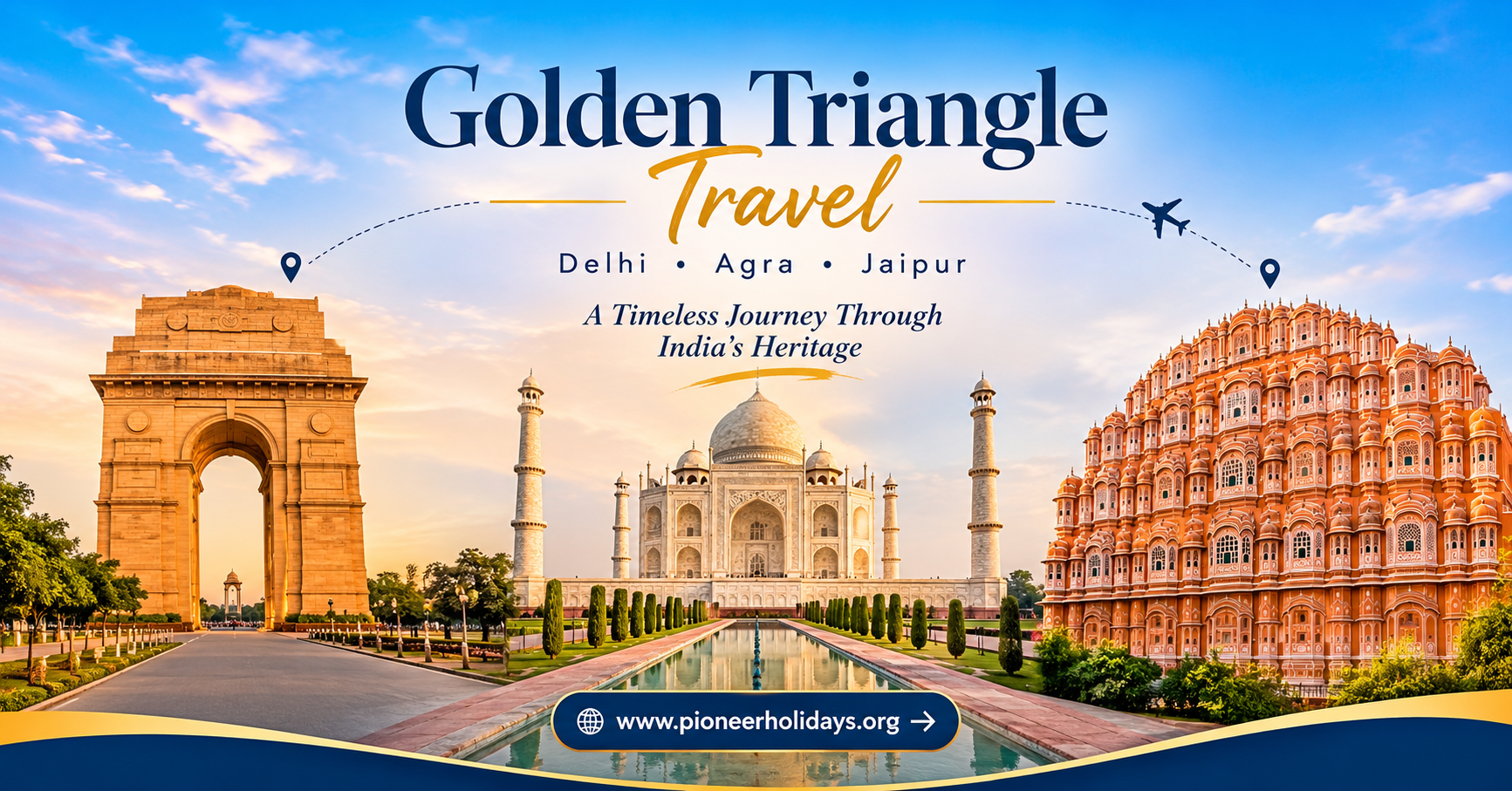
How Can International Tourists Experience Local Traditions on India Golden Triangle Tour Packages?

India's local traditions are best understood through everyday experiences, not just visits to famous monuments. From sharing regional meals and exploring traditional markets to watching artisans at work, travelers can discover how culture shapes daily life across the country. India Golden Triangle Tour Packages offer international visitors an opportunity to experience these traditions while exploring Delhi, Agra, and Jaipur.
Each city has its own cultural character. Delhi reflects a mix of historic influences and modern lifestyles, Agra is known for its Mughal heritage and traditional craftsmanship, while Jaipur preserves many customs associated with Rajasthan's royal past. With thoughtful planning, visitors can enjoy meaningful cultural experiences alongside the region's major attractions.
1. Discover Everyday Traditions in Delhi
Delhi is an excellent starting point for understanding India's cultural diversity. Its neighborhoods bring together different communities, languages, food traditions, and religious practices.
Visitors can explore Old Delhi's traditional markets, where shopkeepers sell spices, textiles, jewelry, and household goods. Walking through these busy streets offers a closer look at local commerce and everyday interactions. Chandni Chowk is particularly interesting for its historic lanes and well-known food culture.
Food is another important part of Delhi's identity. Travelers can try regional dishes such as parathas, chaat, kebabs, and traditional sweets. It is also worth visiting a local market with a knowledgeable guide who can explain ingredients, customs, and the history behind particular foods.
For a more personal experience, visitors should take time to observe local routines respectfully, especially around religious sites and community spaces.
2. Experience Mughal-Era Craftsmanship and Food Culture in Agra
Agra is famous for the Taj Mahal, but its cultural identity extends beyond this landmark. The city has a long tradition of craftsmanship influenced by Mughal architecture and decorative arts.
One notable local craft is marble inlay work, in which small pieces of colored stone are carefully fitted into marble surfaces to create floral and geometric patterns. Visitors can learn about the patience and skill involved in this work by observing artisans or visiting a genuine craft workshop.
Agra is also known for its food traditions. Petha, a sweet made from ash gourd, is among the city's best-known specialties. Sampling regional sweets and traditional snacks can add a memorable local dimension to sightseeing.
Travelers interested in exploring the city at a comfortable pace can consider India Golden Triangle Tour Packages, which connect Agra with Delhi and Jaipur through different itinerary options.
3. Explore Rajasthani Customs and Hospitality in Jaipur
Jaipur offers some of the most recognizable cultural experiences in northern India. Traditional clothing, colorful markets, folk music, handicrafts, and regional cuisine all contribute to the city's distinctive atmosphere.
At local markets such as Johari Bazaar and Bapu Bazaar, visitors can find traditional jewelry, block-printed fabrics, embroidered textiles, and handmade souvenirs. These markets also provide opportunities to understand how local crafts remain part of everyday life.
Food offers another way to connect with Rajasthani culture. Visitors can try dishes such as dal baati churma, gatte ki sabzi, and traditional sweets. Some restaurants and cultural venues also arrange folk music or dance performances, although schedules and availability can vary.
Respectful interaction matters. Ask permission before photographing people, particularly performers, shopkeepers, or artisans. A friendly conversation with a local guide can also help explain the customs behind traditional clothing, festivals, and food.
4. Choose Enough Time for Cultural Experiences
A cultural journey should not feel like a race between monuments. The time available in each city can make a significant difference to the experiences travelers enjoy.
A short 2 Days Golden Triangle Tour may suit visitors with very limited time, but cultural exploration will naturally be restricted. A 3 Days Golden Triangle Tour provides a brief introduction to the three cities.
Travelers who want more relaxed sightseeing can consider a 4 Days Golden Triangle Tour or a 5 Days Golden Triangle Tour. These options can allow additional time for markets, local meals, and craft experiences, depending on the itinerary.
A 6 Days Golden Triangle Tour can provide even more flexibility for travelers who prefer a slower pace. Before choosing, check how much time is allocated to actual experiences rather than simply counting the number of destinations.
5. Extend the Journey to Experience More Regional Traditions
International visitors with additional time can explore destinations beyond the traditional Golden Triangle. Each extension introduces different customs, landscapes, and cultural influences.
Wildlife and rural landscapes become part of the experience on a Golden Triangle Tour with Ranthambore. For travelers interested in spiritual traditions, a Golden Triangle Tour with Varanasi offers opportunities to learn about the city's religious life along the River Ganges.
A Golden Triangle Tour with Amritsar introduces visitors to Sikh heritage and the community traditions surrounding the Golden Temple. Meanwhile, a Golden Triangle Tour with Udaipur adds lakeside architecture and Mewari cultural influences.
Those wishing to explore more of Rajasthan can choose a Golden Triangle Tour with Jodhpur and Udaipur or a Golden Triangle Tour with Rajasthan. These longer journeys can include additional opportunities to discover regional crafts, historic towns, local cuisine, and traditional lifestyles.
6. Practical Tips for Respectful Cultural Experiences
A little preparation helps international tourists enjoy local traditions more comfortably.
-
Dress appropriately: Choose modest clothing when visiting temples, mosques, gurdwaras, and other religious places. Some sites require visitors to cover their heads or remove their shoes.
-
Ask before taking photographs: Always seek permission before photographing individuals, private ceremonies, or religious activities.
-
Try local food carefully: Choose clean, well-reviewed places and drink bottled or properly filtered water. Ask about ingredients if you have dietary restrictions.
-
Support genuine local crafts: Purchase directly from reputable artisans or established craft shops when possible. Ask about the materials and techniques used.
-
Respect religious customs: Observe quietly during prayers and ceremonies, and follow instructions provided by local staff or guides.
-
Keep your schedule flexible: Markets, workshops, and cultural performances may have different operating hours. Confirm availability before making plans.
Conclusion
Local traditions can make a journey through Delhi, Agra, and Jaipur far more meaningful than a sightseeing trip alone. From Delhi's lively markets and Agra's marble craftsmanship to Jaipur's regional food and folk culture, each destination offers a different perspective on Indian life.
Well-planned India Golden Triangle Tour Packages give international tourists the opportunity to combine major attractions with authentic cultural experiences. Travelers can also extend their route to discover more regional traditions across northern India. With a respectful approach, enough time, and guidance from knowledgeable local professionals, the journey can become a rewarding introduction to India's cultural diversity.
Frequently Asked Questions
1. What local traditions can international tourists experience on a Golden Triangle trip?
Visitors can explore traditional markets, sample regional food, observe local crafts, learn about religious customs, and attend cultural performances where available.
2. Which city is best for experiencing traditional Indian crafts?
Agra is known for marble inlay craftsmanship, while Jaipur offers block-printed textiles, jewelry, embroidery, and other Rajasthani handicrafts.
3. How many days are suitable for cultural exploration?
Four to six days can provide a more relaxed introduction to Delhi, Agra, and Jaipur. Travelers with additional time can extend their journey to destinations such as Varanasi, Amritsar, or Udaipur.
For customized travel planning and private journeys across India, visitors can explore the services offered by Pioneer Holidays.

